Find a Control Issues Therapist in Washington
This page lists therapists in Washington who focus on control issues, offering both in-person and online options throughout the state. Review profiles below to compare therapeutic approaches, locations, and availability before reaching out to schedule an appointment.



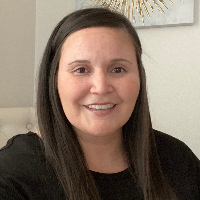
Patricia Sumlin
LMFT
Washington - 25 yrs exp




















How control issues therapy works for Washington residents
If control-related patterns are causing stress in personal life, work, or relationships, therapy can provide a structured path toward greater balance. In Washington, therapy for control issues often begins with an intake assessment that explores how attempts to manage uncertainty show up in thoughts, behaviors, and relationships. Clinicians typically work with you to set specific, achievable goals and to identify the situations that trigger controlling responses. Treatment plans are tailored to the individual, combining evidence-informed methods such as cognitive behavioral techniques, skills training, and relational work that address both the behaviors and the feelings behind them.
Sessions may occur weekly at first, then shift in frequency as progress is made. Therapists in different parts of Washington - from Seattle to Spokane and Tacoma - offer a mix of short-term focused interventions and longer-term therapy, depending on your needs. Expectations are collaborative: you and the therapist agree on what change looks like and track progress over time, often through practical exercises and real-world practice between sessions.
Finding specialized help for control issues in Washington
Locating a clinician who understands the nuances of control issues starts with clarifying what matters most to you. Some people prioritize a therapist with specific training in anxiety, trauma, or relationship work since control behaviors often intersect with those areas. Others look for experience with family systems or couples therapy when control issues are creating conflict at home. In urban areas like Seattle and Bellevue, you may find a wider range of specialties and modalities, while smaller communities and suburbs may offer clinicians who provide a broader general practice with strong experience addressing control-related patterns.
Licensure and the clinician's stated areas of focus are useful filters when searching. Many therapists include short bios that describe their theoretical approach and the kinds of clients they tend to work with. Reading those profiles can help identify clinicians who use cognitive behavioral approaches, acceptance-based strategies, or interpersonal work that specifically targets rigidity, perfectionism, and control. When in doubt, a brief consultation call can clarify whether a therapist's approach aligns with what you hope to change.
What to expect from online therapy for control issues
Online therapy has become a common option across Washington and can be particularly convenient if travel or scheduling is a concern. For many people, the ability to meet with a clinician from home makes it easier to stay consistent with sessions. Online work often mirrors in-person therapy in structure - intake, goal setting, skill-building, and homework - and can include video sessions, phone sessions, or messaging when offered by a clinician. If your day is busy with work in Seattle or family commitments in Tacoma, virtual sessions may reduce logistical barriers to regular care.
Therapists will discuss technology preferences and what to expect from a virtual session, including how to handle interruptions or privacy in your space. It is helpful to choose a quiet area where interruptions are minimal and to have a plan for pausing a session if an urgent need arises. For those in rural parts of Washington where in-person options are limited, online therapy can expand access to clinicians who specialize in control issues and related concerns.
Safety and urgent concerns
If a session brings up intense emotion or safety worries, a therapist will work with you to create immediate steps to stay safe and to identify local supports. Practitioners will encourage you to know the appropriate local emergency numbers or crisis resources in your area, whether in Spokane, Bellevue, or a smaller town. Discussing a plan for high-stress moments is a routine part of responsible care.
Common signs that someone in Washington might benefit from control issues therapy
Control issues can show up in many ways that affect daily functioning and relationships. You might notice a persistent need to plan or oversee situations to feel calm, or difficulty delegating tasks at work or at home. Constant worry about things going off track, repeated conflicts with partners or family over rules and expectations, or rigid routines that limit spontaneity are other common indicators. Perfectionism that leads to procrastination or burnout, excessive checking behaviors, or an inability to tolerate uncertainty can also suggest that targeted therapeutic work would be helpful.
Sometimes the signs are more subtle, such as avoiding situations where outcomes cannot be controlled, or relying on particular rituals to reduce anxiety. If attempts to change these patterns on your own have not led to lasting relief, therapy can help by providing new skills to increase flexibility and to reduce the intensity of controlling responses. Clinicians work with you to identify the underlying emotions - often anxiety, fear, or shame - that fuel control strategies and then practice alternative ways of coping.
Tips for choosing the right therapist for this specialty in Washington
Begin by considering practical preferences such as location, availability, and whether in-person or online sessions are more realistic for your schedule. If living near Seattle, Spokane, or Tacoma, take note of therapists who offer evening or weekend appointments if daytime work hours are a barrier. Next, look at the therapist's described approach and experience with control-related concerns. Therapists who mention anxiety, relationship dynamics, or behavioral flexibility in their profiles may be a good match. It is reasonable to ask about the types of techniques they use and how they structure progress checks.
Cultural fit matters. You are likely to get more out of therapy when the clinician's style and background align with your preferences - for example, a practical skills-based approach if you want concrete tools, or a reflective relational approach if you want to explore long-term patterns. Consider whether you prefer a clinician who uses homework and skills practice between sessions or someone who focuses more on in-session exploration. If affordability is a concern, inquire about sliding scale fees or whether the therapist accepts insurance that is usable in Washington. Many clinicians are open to an initial consultation call that lasts 10 to 20 minutes to answer questions and help determine if a good fit is likely.
Local considerations across Washington
Access to different specialties can vary by region. In metropolitan Seattle and nearby Bellevue, you may find a dense selection of therapists with niche expertise and diverse modalities. Spokane and Tacoma offer robust community resources and clinicians with deep experience addressing family and workplace dynamics. In smaller towns and rural areas of the state, therapists often provide a wide skill set to meet varied needs and may combine in-person care with telehealth to increase access. Transportation, seasonal weather, and regional work cultures are practical factors to consider when arranging regular sessions in Washington.
Next steps
Start by reviewing therapist profiles on this page to identify clinicians who note experience with control issues and a therapeutic style that resonates. Reach out with a short message or a phone call to confirm logistics, ask about approaches, and request an initial consultation if available. Therapy is a collaborative process - the right match can make a meaningful difference in learning to tolerate uncertainty, improve relationships, and create more flexibility in daily life. Whether seeking support in Seattle, Spokane, Tacoma, or elsewhere in Washington, taking the first step to connect with a specialist is a practical way to begin change.
When ready, scroll through the listings above to compare clinicians and schedule a consultation that fits with personal needs and schedule.