Find a Domestic Violence Therapist in Washington
This page lists therapists in Washington who specialize in domestic violence support and recovery. The listings below provide practitioner backgrounds, therapeutic approaches, and service locations to help with your search.






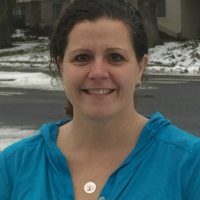

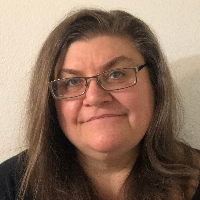





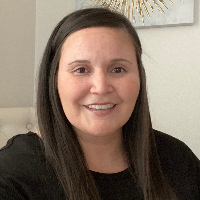









How domestic violence therapy works for Washington residents
If you are seeking help after experiencing domestic violence, therapy can be an important part of healing and planning for safety. In Washington therapists who specialize in this area typically begin with an assessment of your current needs and risks, and they work with you to set short-term and longer-term goals. That process may include helping you process trauma, rebuild a sense of control, develop coping skills for stress and anxiety, and connect with practical resources in your community such as legal advocacy, housing assistance, or emergency services.
Therapists in this field are trained to prioritize your well-being and to coordinate with other professionals when that is helpful. For many people the work combines trauma-focused therapeutic methods with practical problem solving - for example helping you plan next steps and make decisions about relationships, finances, and safety. Because Washington is geographically diverse - from urban neighborhoods in Seattle to smaller communities around Spokane and Tacoma - services can look different depending on where you are. In larger cities you may find clinics and specialists with a range of complementary services, while in more rural areas therapists often collaborate closely with regional advocacy networks.
Finding specialized help for domestic violence in Washington
When you search for a therapist who focuses on domestic violence you will want to look for someone who explicitly lists trauma-informed or domestic violence experience on their profile. Therapists may describe training in trauma-focused approaches, experience working with survivors, and familiarity with safety planning and community resources. Licensure information is important because it tells you that a clinician has met state standards; many therapists will list credentials and areas of specialty so you can compare who might be a good fit.
Beyond credentials you may consider practical factors such as whether a therapist offers evening appointments, works with specific age groups, or has experience with certain cultural communities. In Washington you can often find clinicians who speak multiple languages or who have experience with immigrant and refugee populations. If you live in or near Seattle, Spokane, or Tacoma you may also have access to local support groups and multidisciplinary teams that include counselors, medical providers, and legal advocates. If you are farther from urban centers, online options and regional advocacy services can help bridge gaps in local availability.
What to expect from online therapy for domestic violence
Online therapy has become a common option in Washington and it can be particularly useful if travel, caregiving, or local service availability are barriers. With online sessions you typically meet by video or phone in scheduled appointments. A clinician will still conduct an initial assessment and discuss personal nature of sessions practices and safety protocols for remote work. You should expect to agree on how to handle emergencies and what steps will be taken if you are in immediate danger during a session.
Online work allows for continuity of care even if you move between cities like Seattle and Bellevue or if you temporarily leave your community. It can also make it easier to access therapists who specialize in domestic violence, since you are not limited by geography. That said, online therapy does require attention to your own environment - for example arranging a time and place where you can speak without interruption and discussing with the clinician how to protect your communications and records. Many therapists will offer guidance on how to create a safe setting for virtual sessions and will review limits of remote therapy at the first meeting.
Common signs you might benefit from domestic violence therapy
You might consider reaching out to a therapist if you notice persistent anxiety, sleep difficulties, intrusive memories, or feelings of numbness after an abusive relationship. You may also be struggling with decisions about whether to stay in a relationship, how to set boundaries, or how to manage interactions with a partner who is controlling or manipulative. Changes in appetite, sudden isolation from friends and family, or difficulties concentrating at work can also signal that professional support would help you cope and plan.
Other signs include ongoing fear of a partner's reactions, frequent apologies that feel disproportionate to events, or pressure to withdraw from personal interests. If you are worried about the safety of children or others in the household, or if there are legal or housing concerns, a therapist can help you identify resources and coordinate next steps. Therapy is not only for moments of crisis - it can also be a place to rebuild confidence, re-establish personal goals, and learn tools that reduce the risk of future harm.
Tips for choosing the right therapist in Washington
Start by looking at therapist profiles and reading how they describe their approach to domestic violence work. Seek out clinicians who mention trauma-informed care, safety planning, and collaboration with community services. You may prefer someone with specific training in certain therapeutic modalities such as cognitive behavioral approaches, trauma-focused therapy, or approaches that emphasize empowerment and resilience. If cultural competence matters to you, look for descriptions of experience working with clients from similar backgrounds or with issues related to race, gender identity, sexual orientation, or immigration status.
Consider logistics - whether the therapist offers in-person appointments in nearby cities or online sessions that fit your schedule. Ask about fees, sliding scale options, and whether they accept your insurance or can assist with referrals. Many therapists offer a brief phone consultation so you can get a sense of their communication style and whether you feel comfortable discussing difficult topics with them. Trust your instincts - a good therapeutic match is often about the relationship as much as the specific techniques a clinician uses.
Safety and collaboration with local services
Therapists who work with domestic violence often collaborate with local advocacy programs, legal aid, and emergency services to support comprehensive planning. If you are in immediate danger, reaching out to local emergency services or advocacy hotlines is the most important step. For ongoing planning, a therapist can assist with steps such as documenting incidents, connecting with housing and financial resources, and coordinating care for children. In metropolitan areas like Seattle or Tacoma there may be specialized clinics and multidisciplinary teams, while in places like Spokane clinicians may have strong ties with regional advocacy networks that can help you access services across counties.
Making the first contact and next steps
When you are ready to contact a therapist, you might prepare a short summary of what you are hoping to address and any practical constraints such as childcare, transportation, or preferred languages. During an initial call expect the clinician to ask about immediate safety, goals for therapy, and relevant history. If a therapist is not the right fit they will often provide referrals to colleagues or community organizations that specialize in needs you describe.
Recovery and planning after domestic violence is a personal process and can involve many small steps - finding someone who listens, helping you regain a sense of agency, and connecting you with services that meet practical needs. Whether you choose in-person sessions in a nearby city or an online therapist who can meet your schedule, the important part is finding a clinician who respects your experiences and works with you to create a thoughtful plan moving forward.
Local considerations
Washington's mix of urban and rural communities affects service availability and travel times, so consider geographic convenience and any regional supports when selecting a clinician. Seattle offers a wide range of specialized services and multidisciplinary programs, while Spokane and Tacoma also have strong networks of therapists and advocacy groups. If you live in outlying areas you may want to prioritize clinicians who offer telehealth appointments and who have experience connecting clients with statewide resources.
Choosing a therapist is a personal decision. Take your time, ask questions about experience and approach, and look for a practitioner who respects your boundaries and priorities. With the right support you can take steps toward increased safety, emotional recovery, and a clearer path forward.