Find an Eating Disorders Therapist in Washington
This page connects Washington residents with therapists who specialize in Eating Disorders, including practitioners in Seattle, Spokane, Tacoma and surrounding areas. Browse the listings below to compare specialties, approaches, and availability to find a match.


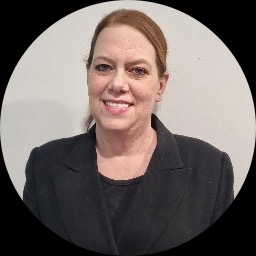
Patricia Sumlin
LMFT
Washington - 25 yrs exp




















How eating disorder therapy works for Washington residents
If you are seeking support for an eating disorder in Washington, therapy typically begins with an initial assessment where a clinician gathers information about your eating patterns, emotional health, medical history, and daily life. That first conversation helps shape a treatment plan that fits your needs - whether that means short-term skill work, longer-term psychotherapy, family involvement, or coordination with medical and nutritional professionals. Many clinicians in Washington work in outpatient settings and offer both in-person and online sessions so you can access care from cities like Seattle, Spokane, or Tacoma, or from smaller communities across the state.
Treatment approaches can vary depending on the therapist's background and your goals. Evidence-based methods are commonly used alongside individualized strategies that reflect your age, cultural background, and the role food, weight, and body image play in your life. In some cases you and your clinician will also agree to involve other providers - for example, a primary care clinician for medical monitoring or a registered dietitian with eating disorder experience for nutritional planning. That coordinated approach helps make sure your mental health support fits within your broader health needs.
Finding specialized help for eating disorders in Washington
When you start your search, look for clinicians who list eating disorders as a specialty and who describe specific training or experience with the types of challenges you are facing. Licenses in Washington include counselor, social worker, marriage and family therapist, and psychologist credentials - each has different training pathways, and many clinicians pursue additional certification or continuing education focused on eating disorders. In larger metropolitan areas such as Seattle or Tacoma you will typically find more providers who specialize in eating disorder work, while in Spokane and other regions you may want to expand your search to include clinicians who offer telehealth to increase your options.
You can also ask for referrals from your primary care clinician, local hospital programs, college counseling centers, or community mental health organizations. If you are insured, checking your plan's provider directory is a practical step, but also consider clinicians who offer sliding scale fees or payment options if cost is a concern. Many therapists provide brief phone consultations so you can describe your situation and get a sense of whether they are a good fit before scheduling a full session. That conversation is a chance to ask about experience, treatment approach, and how they work with medical or nutritional providers.
What to expect from online therapy for eating disorders
Online therapy can be an important option in Washington, especially if you live outside major cities or have scheduling constraints. When you choose virtual sessions, you can expect to meet with your therapist via video or sometimes by phone, with sessions structured similarly to in-person meetings. Therapists who provide online care will typically explain how they handle appointment scheduling, fees, and emergency contacts, and they will discuss how to create a calm, interruption-free environment at home for your sessions.
Online therapy makes it easier to work with clinicians who have specific training in eating disorder treatments even if they are located in another Washington city or region. You should plan ahead for practical matters such as establishing a reliable internet connection, selecting a private space for sessions, and deciding whether to use a camera during parts of the session. If your care involves meal planning, nutritional guidance, or medical monitoring, your therapist can help coordinate those services with local providers so you receive comprehensive care in your community. For people in Seattle, Spokane, Tacoma and other areas, combining online sessions with occasional in-person visits can offer both flexibility and continuity.
Common signs that someone in Washington might benefit from eating disorder therapy
You may be thinking about therapy because you or someone you care about is experiencing changes in behavior or mood related to eating, weight, or body image. Signs that often prompt people to seek help include a persistent preoccupation with food or calories, noticeable changes in eating habits or weight, strong urges to control food in ways that interfere with daily life, and intense shame or guilt after eating. You might also notice social withdrawal, avoidance of events that involve food, or frequent fluctuations in energy and mood that impact work, school, or relationships.
Physical changes such as repeated digestive problems, dizziness, or frequent fatigue can be indicators that a medical evaluation would be helpful alongside therapy. If you are a family member, it is common to feel worried, frustrated, or unsure how to help. In those cases, family-based or family-informed approaches can provide strategies for supportive involvement without taking over the process. Seeking help early can make a meaningful difference in how quickly you adapt healthy patterns and strengthen overall wellbeing.
Tips for choosing the right therapist for eating disorder work in Washington
Choosing a therapist involves both practical and personal considerations. Start by identifying clinicians who list eating disorders as a focus and then reach out to ask about their specific experience with the symptoms or diagnosis you are concerned about. You can ask how long they have worked with eating disorder clients, what therapeutic approaches they use, and how they involve other professionals such as registered dietitians or medical providers. It is reasonable to inquire about training in evidence-based models, and to request examples of how they help clients manage meals, body image challenges, and emotional triggers.
Consider logistics like appointment availability, location, session length, and fees. If you live in a busy area such as Seattle or commute to Tacoma, in-person access may be easier; if you live further from specialized services, telehealth expands your options. Insurance coverage is an important factor for many people - check whether a therapist accepts your plan or offers reduced-fee sessions. You should also pay attention to how comfortable you feel in an initial conversation - rapport matters, and feeling heard and respected is central to making progress. If a therapist’s style or approach does not feel like the right fit, it is acceptable to try a different clinician until you find someone whose rhythm and methods work for you.
Working with a team
Because eating disorder care often intersects with medical and nutritional needs, you may find that a collaborative team works best. A therapist can coordinate with your primary care clinician, an eating disorder specialized dietitian, or medical specialists to monitor physical health alongside psychological progress. Ask prospective therapists how they communicate with other providers and what role they expect those professionals to play. Clear coordination helps you avoid fragmented care and supports safer, more effective treatment planning.
Practical questions to ask a prospective therapist
In a brief phone or video consultation, you might ask about their experience with specific age groups, cultural backgrounds, gender identities and how they tailor care to diverse needs. Ask what a typical session looks like and what short-term and longer-term goals might be. If you are concerned about costs, ask about sliding scale options and whether they offer reduced rates for students or low-income clients. Finally, ask how they handle scheduling urgent concerns between sessions so you understand the supports available if you need help outside regular appointments.
Next steps and local considerations
Once you have reviewed listings and spoken with a few clinicians, schedule an initial session with the therapist who feels like the best match. Remember that starting therapy is a process - progress can be gradual, and your needs may change over time. If you move between cities in Washington or split time between places like Seattle, Spokane, or Tacoma, discuss continuity of care with your therapist so transitions do not interrupt your support. Community resources such as university clinics, student health centers, and hospital outpatient programs can also provide additional options if you need specialized or intensive services.
Finding the right eating disorder therapist in Washington is a personal journey, and the listings below are designed to help you compare clinicians by approach, availability, and location. Use the information in profiles to guide phone consultations and trust your instincts when choosing someone who understands your goals and respects your pace. With the right match, therapy can provide practical tools, emotional support, and a path toward healthier patterns and greater day-to-day balance.