Find an Obsession Therapist in Washington
This page connects you with therapists in Washington who focus on helping people manage obsessive thoughts and related behaviors. Browse the listings below to compare providers by approach, location and availability.
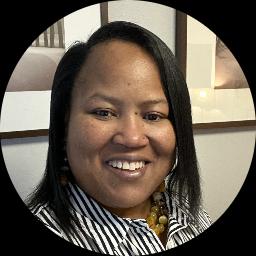

Patricia Sumlin
LMFT
Washington - 25 yrs exp

















How obsession therapy works for Washington residents
If you are exploring therapy for obsessive thoughts or repetitive behaviors, understanding how treatment typically unfolds can help you feel more prepared. Therapy for obsession often centers on learning strategies to reduce the hold that unwanted thoughts and rituals have on your daily life. A therapist will work with you to build skills that address the patterns that maintain those thoughts and behaviors - skills you can practice between sessions and apply to situations you encounter in work, school and relationships.
Therapists in Washington may offer in-person sessions in cities like Seattle, Spokane and Tacoma, or they may provide remote appointments that expand access across the state. When you meet with a clinician, expect an initial period of assessment to explore your current experiences, history and goals. From there you and your therapist will decide on a treatment plan that fits your schedule and preferences, often adjusting as you progress.
Finding specialized help for obsession in Washington
When you search for a specialist in obsession, look for clinicians with training in cognitive-behavioral approaches and additional experience with obsessive patterns. In larger metropolitan areas such as Seattle and Bellevue you will likely find clinicians who list specific training in techniques commonly used for obsession, while in smaller communities like Spokane or Vancouver you may find clinicians who combine relevant experience with flexible delivery options, including telehealth. Local community mental health centers, university training clinics and professional directories are useful starting points when you want to compare providers.
Licensing matters because it ensures a therapist has met state requirements to practice. You can check a therapist's license through Washington State resources that list professional credentials and any reported disciplinary actions. When you contact a clinician, asking about their experience with obsession-focused work, the modalities they use and whether they routinely treat cases similar to yours will help you assess fit. Many therapists will be happy to describe their approach and give you a brief phone or video consultation to determine whether you want to move forward.
What to expect from online therapy for obsession
Online therapy can be a practical option if you live outside a major city or need a flexible schedule. When you choose video or phone sessions, you will still typically follow a structured plan that includes assessment, skill-building and practice assignments. Therapists often use techniques that translate well to remote work - guided exercises, thought records and exposure tasks that you complete in your everyday environment. You may find that practicing strategies in the place where triggers occur helps you generalize skills more quickly.
Before your first online session, make sure you have a reliable internet connection and a quiet place to talk. Some therapists will suggest short preparatory exercises or forms to complete online so that your first meeting can focus on your goals and immediate steps. You should also confirm practical details like session length, payment options, cancellation policies and whether the clinician accepts your insurance or offers reduced-fee options. If you live in an area with fewer in-person options, online therapy broadens your choices and can connect you with clinicians who specialize in obsession-focused care across Washington.
Common signs that someone in Washington might benefit from obsession therapy
You might consider seeking help if unwanted thoughts or repetitive behaviors take up a lot of your day or make it difficult to complete ordinary tasks. People who benefit from obsession-focused therapy often describe persistent, intrusive thoughts about contamination, harm, symmetry or other themes that feel distressing and hard to dismiss. Others may notice ritualized behaviors carried out to reduce anxiety, a strong urge to check or repeat actions, or a pattern of mental rituals such as rehearsing or counting to feel safer.
If these experiences interfere with work, schooling, relationships or your sense of wellbeing, reaching out for evaluation and support is a reasonable next step. You do not need to wait until things are at a crisis point. Early intervention can reduce the time you spend struggling and help you learn effective coping strategies. In Washington, whether you are in the urban center of Seattle, the university town energy of Spokane, or the suburban neighborhoods of Tacoma, therapists are available who focus on helping people regain balance and function.
Tips for choosing the right therapist for this specialty in Washington
Choosing a therapist is a personal decision that depends on what you value in treatment. Start by identifying the features that matter most to you - such as clinical experience with obsession, familiarity with specific therapeutic techniques, language preferences, cultural competence and logistical factors like hours and location. In metropolitan areas like Seattle and Bellevue you may find more clinicians with narrowly defined specializations, while in smaller towns a clinician with broader experience may offer a good fit and more flexible scheduling.
When you contact a prospective therapist, ask about their typical approach to obsession-focused work and how they monitor progress. You may want to hear about how they structure exposure work - if that is part of your treatment plan - and what support they provide between sessions as you practice new skills. It is reasonable to request a short introductory call to get a sense of their style and to ask practical questions about insurance, fees and session policies. If cost is a concern, inquire about sliding scale options or community clinics in Tacoma or Spokane that offer care at reduced rates.
Consider also how you prefer to connect - some people value the energy of in-person sessions in a clinician's office, while others find remote sessions easier to fit into a busy life. If you plan to use online therapy, verify the therapist's policies for handling emergencies and how they manage boundaries across electronic communication. While you are evaluating clinicians, reading therapist bios, looking for training and relevant experience, and trusting your instinct about whether you feel heard and respected can guide you to a good match.
Practical next steps and preparing for your first sessions
Once you decide to reach out, you can prepare a short summary of what you have been experiencing and what you hope to change. Bring that summary to your first session to help the conversation stay focused. It can be helpful to note any patterns you have observed in your thoughts or behaviors, how they affect your daily routine, and what strategies you have already tried. Sharing this context will allow your therapist to design a collaborative plan that reflects your priorities and pace.
Expect the early sessions to focus on assessment, goal setting and learning initial coping strategies. As therapy continues you will likely spend time practicing skills, experimenting with new responses to triggers and reviewing what works or needs adjustment. Progress can be gradual and sometimes non-linear, but many people notice improvements in how much obsessive thoughts disrupt their day and in their confidence handling triggers. If you live in Seattle, Spokane, Tacoma or elsewhere in Washington, finding a therapist whose training, approach and scheduling fit your life increases the likelihood that you will stick with treatment and see meaningful changes.
Final considerations
Seeking help for obsessive thoughts and behaviors is a practical step toward reclaiming time and energy for the things you value. In Washington you have options that range from in-person clinicians in larger cities to remote providers who serve residents across the state. Take your time to review listings, ask questions about training and approach, and choose a clinician with whom you feel comfortable working. When you find the right match, you can start developing skills that help you respond differently to intrusive thoughts and move toward a more manageable daily life.