Find a Self-Love Therapist in Washington
Find Washington-based therapists who focus on Self-Love listed on this page, including clinicians offering in-person and online sessions across the state. Browse the profiles below to compare specialties, approaches, and availability and connect with a therapist who fits your needs.


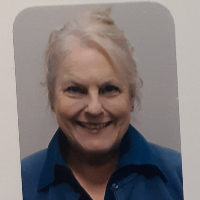






Patricia Sumlin
LMFT
Washington - 25 yrs exp














How self-love therapy works for Washington residents
Self-love therapy is a collaborative process that helps you develop a kinder relationship with yourself, shift critical inner narratives, and practice habits that support long-term wellbeing. In Washington, therapists often combine evidence-informed interventions with culturally aware approaches that reflect the Pacific Northwest context. Whether you live near the bustle of Seattle or in a smaller community, therapy typically begins with an intake session where you and the therapist set goals, review your history, and plan next steps. Over subsequent sessions you will practice techniques to increase self-compassion, manage shame or self-criticism, and build everyday routines that reinforce a healthier self-view.
Therapists trained in this specialty may draw on cognitive-behavioral methods, acceptance-based strategies, and relational work that examines how early experiences shaped your sense of worth. The process is paced to your needs - some people want short-term skill building, while others explore deeper patterns over months or years. Your therapist will help you measure progress in ways that feel meaningful, such as increased self-acceptance, improved relationships, or greater ability to set boundaries.
Finding specialized help for self-love in Washington
When searching for a therapist in Washington who focuses on self-love, look for clinicians who list self-compassion, self-esteem, or relational healing among their specialties. Many therapists in Seattle and Tacoma advertise experience working with issues like perfectionism, imposter feelings, and trauma-related shame - all of which commonly affect a person’s capacity for self-love. In more rural parts of the state, you may find therapists who blend generalist practice with a focus on self-worth and resilience. Be mindful of credentials and training, but also consider the therapist’s stated approach and whether it aligns with your values.
Local directories, professional association listings, and community mental health centers can be helpful starting points. Some therapists offer introductory calls so you can gauge fit before committing to a session. If you live near Spokane, you might find clinicians whose practice incorporates community-based perspectives, while practitioners in Seattle often highlight diversity, inclusion, and an emphasis on body-positive work. Wherever you are in Washington, it is reasonable to expect to find someone who understands your cultural background and life context.
What to expect from online therapy for self-love
Online therapy expands access to clinicians across Washington, making it easier to connect with someone who specializes in self-love regardless of where you live. Sessions typically take place via video or sometimes by phone, and they follow much the same structure as in-person visits. You should expect to discuss goals, practice exercises between sessions, and receive feedback tailored to your daily life. Online work can be especially useful if you need flexible scheduling or if travel to an office is difficult.
One advantage of online sessions is the ability to choose a therapist whose background and approach match your needs, even if their office is in another city. For example, you might live in Vancouver but work with a therapist based in Bellevue who uses a trauma-informed self-compassion model. It is important that your internet connection and environment support uninterrupted conversation. Many therapists will also provide worksheets, guided recordings, and journaling prompts to use between sessions, which can accelerate your learning and integration of new practices.
Practical considerations for online work
Before starting, check whether the therapist is licensed to practice in Washington and whether their services align with your insurance or payment preferences. Confirm how cancellations, fees, and emergency contacts are handled. If you have concerns about privacy at home, discuss them with your therapist so you can agree on a plan - for example, arranging sessions during times when interruptions are minimal. Clear expectations around scheduling and communication can make online therapy feel dependable and meaningful.
Common signs you might benefit from self-love therapy
You might consider self-love therapy if you experience persistent self-criticism, feel undeserving of care, or struggle to celebrate your achievements. People often seek help when perfectionism interferes with day-to-day functioning, when relationships are repeatedly strained by boundary issues, or when life transitions reveal an underlying lack of self-trust. Emotional patterns such as chronic shame, avoidance of new opportunities, or harsh internal dialogue are also common reasons to reach out.
Some signs are less obvious but still meaningful - for instance, feeling numb to compliments, dismissing your own needs, or constantly putting others’ needs ahead of your own in ways that deplete you. Residents of Washington who are juggling work, family, and the demands of urban or rural life may find that self-love work helps them create sustainable routines and healthier expectations. If daily stress feels amplified by a harsh inner critic, therapy can provide practical tools and relational support to shift those patterns.
Tips for choosing the right therapist for this specialty in Washington
Start by clarifying what self-love looks like for you. Are you seeking to reduce anxiety linked to perfectionism, heal from past wounds, or learn how to set boundaries more effectively? Once you have a sense of priorities, read therapist profiles to find those who describe relevant experience and approaches. Many profiles indicate whether a clinician uses compassion-focused therapy, acceptance-based work, or somatic practices - all of which can be helpful depending on your needs.
Consider scheduling brief consultations so you can assess rapport and communication style. In these conversations you can ask about the therapist’s experience with self-compassion interventions, how they measure progress, and what a typical session looks like. Pay attention to how they respond to your questions and whether their tone feels encouraging and respectful. Practical matters such as location, availability, and fee structure matter too; therapists in larger cities like Seattle may have different availability than those in Spokane or Tacoma, so factor convenience into your decision.
Trust your instincts about fit. Therapy is a relational process and the right match often depends on a combination of clinical skill and personal comfort. If a therapist’s style does not feel right after a few sessions, it is reasonable to explore other clinicians until you find someone who supports your growth. Many people benefit from transitioning between different types of therapy at various points in their journey.
Moving forward with self-love work in Washington
Beginning self-love therapy is a proactive step toward greater emotional balance and well-being. You do not need to wait until a crisis to seek support - early work can prevent entrenched patterns from worsening. Whether you choose an in-person clinician in your neighborhood or an online therapist with a specialized focus, aim for a collaborative relationship where progress is reviewed and goals are adjusted as you evolve.
Living in Washington offers access to a diverse set of clinicians and community resources. From urban centers to more rural settings, you can find practitioners who understand your cultural and environmental context. If you live in Seattle, Tacoma, or Spokane, consider how local supports like peer groups or community workshops might complement individual therapy. Ultimately, the most important factor is finding a therapist who helps you treat yourself with greater compassion, build sustainable habits, and reclaim a sense of worth that informs daily choices.