Find a Sexuality Therapist in Washington
This directory page highlights sexuality therapists serving Washington who work with concerns like intimacy, sexual identity, and relationship challenges. Explore therapist profiles below to compare approaches, availability, and areas of focus, and start a conversation with someone who fits your needs.


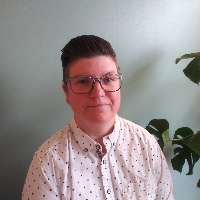
Patricia Sumlin
LMFT
Washington - 25 yrs exp





















How sexuality therapy works for Washington residents
Sexuality therapy is a specialized form of counseling that addresses concerns related to sexual functioning, desire, identity, and relationships. In Washington, you will find clinicians who combine evidence-informed approaches with sensitivity to cultural and regional factors. The process generally begins with an initial consultation to understand what brings you to therapy, followed by a collaborative plan that sets goals and identifies practical steps you can take between sessions. Therapists often use talk-based interventions alongside behavioral techniques, psychoeducation, and, when appropriate, referrals to medical or allied professionals for coordinated care.
Because Washington includes both dense urban centers and more rural communities, the way you access therapy may vary. In cities like Seattle, Bellevue, and Tacoma there are many in-person specialty providers, while residents of smaller towns and outlying counties frequently rely on remote care options to connect with clinicians who have the specific expertise they need. Regardless of setting, the therapeutic relationship is the primary vehicle for change - a place where you and your therapist work together to build understanding, reduce distress, and try new ways of relating to yourself and others.
Typical session flow
Your early sessions will usually focus on gathering history, understanding symptoms, exploring relationship patterns, and clarifying what success looks like for you. Some therapists use structured assessments to identify sexual health concerns, while others rely on open-ended conversation. After assessment, therapy may include skills training, communication exercises for partners, sensory or mindfulness work to address arousal or anxiety, and homework assignments to reinforce progress. Therapy pace and techniques will be tailored to your goals and comfort level.
Finding specialized help for sexuality in Washington
When seeking a therapist who specializes in sexuality, look for clinicians who describe specific training or experience in sex therapy, couples work, or sexual health. Many list areas of focus such as low desire, sexual pain, compulsive sexual behaviors, transgender and nonbinary care, or trauma-informed sex therapy. You can use the directory filters to narrow results by treatment approaches, populations served, and insurance or payment options. Reading therapist bios helps you gauge whether their language and approach feel like a fit.
Consider both proximity and availability. If you live near Spokane or Vancouver, you may prefer to see a therapist in your community for occasional in-person visits, while people in Seattle and Tacoma often have a wider local selection and shorter wait times. If you have mobility, scheduling, or privacy concerns, remote work may give you access to clinicians across the state who offer the precise expertise you need. Reaching out directly with a brief message about your goals can clarify whether a therapist is experienced with the issues you want to address.
What to expect from online therapy for sexuality
Online therapy is a common option for sexuality concerns, and it can be especially useful in a geographically diverse state like Washington. Sessions typically occur over video or phone and follow much the same structure as in-person work - intake, goal-setting, therapeutic exercises, and progress reviews. Online care expands access to clinicians who specialize in areas that may not be widely available locally, such as sex therapy oriented toward LGBTQ+ issues, kink-aware therapy, or specialists in sexual trauma recovery.
Before starting online therapy, check a clinician's stated comfort with remote work and ask about their privacy practices and how they manage clinical records. You should also consider practical details such as whether you can find a quiet, comfortable setting at the time of your session, how to handle interruptions, and what to do in case of an emergency. Many therapists are familiar with the challenges of remote work and will help you plan for a productive and respectful virtual experience.
Common signs you might benefit from sexuality therapy
You might consider seeking sexuality therapy if concerns in your sexual life are causing you distress, affecting your relationships, or interfering with daily functioning. Common indicators include ongoing difficulties with desire or arousal, pain during sex, trouble reaching orgasm, mismatched sexual needs in a relationship, or persistent anxiety and shame around sexual activity. You might also seek help while exploring sexual or gender identity, negotiating boundaries and consent, or recovering from a sexual trauma. Additionally, people sometimes look for support when sexual behaviors feel out of control or when sexual issues are closely tied to relationship conflict.
It is also common to seek therapy proactively during major life transitions that affect sexuality - such as aging, chronic illness, changes in a relationship, or after childbirth - when sexual patterns shift and you want guidance in adapting. Therapy can offer tools to communicate needs, manage physical or emotional changes, and rebuild intimacy in ways that respect your values and circumstances.
Tips for choosing the right therapist in Washington
Finding the best therapist for sexuality work is a personal process. Start by clarifying what you want to address and what kind of support you prefer - for example, individual work versus couples therapy, or a clinician with a particular orientation to LGBTQ+ identities or trauma. Look for providers who explicitly state their experience with the issues you face. Pay attention to the language they use in bios - inclusive, nonjudgmental wording can signal a respectful practice.
Practical considerations matter as well. Check whether a therapist is licensed to practice in Washington and whether they offer in-person sessions in cities like Seattle or Spokane or telehealth appointments across the state. Ask about fees, sliding scale availability, and insurance or payment methods. If personal nature of sessions of records and privacy of communication are important to you, ask how clinicians handle notes and what platforms they use for remote sessions. Many therapists offer a brief phone or email consultation at no charge so you can get a sense of fit before committing to an appointment.
Questions to ask during an initial consultation
When you contact a therapist, it can be helpful to ask about their training in sexuality-specific topics, how they approach issues similar to yours, and whether they have experience working with clients from your background or community. You might ask what a typical treatment timeline looks like for the concerns you have, how they involve partners when appropriate, and what kinds of homework or between-session work they recommend. Also inquire about session length, scheduling flexibility, cancellation policies, and how to handle urgent needs between sessions. Clear answers help you set expectations and feel more comfortable starting therapy.
Finding care that fits your life
Therapy for sexuality concerns is highly individualized, and the right match can make a meaningful difference in your sense of wellbeing and relationships. Whether you live in an urban neighborhood near Bellevue or in a more rural part of Washington, take the time to read profiles, reach out with questions, and trust your sense of fit. If your first contact does not feel right, it is reasonable to try a different clinician until you find someone who understands your goals and communicates in a way that works for you.
Begin by browsing the listings on this page, focusing on specialties and practical details that matter to you. A thoughtful search helps you connect with a therapist who can support you in exploring sexual concerns, strengthening intimacy, and building the skills you want for a healthier, more fulfilling life.