Find a Mindfulness Therapy Therapist in Washington
Mindfulness Therapy helps you develop present-moment awareness and practical skills to manage stress, anxiety, and difficult emotions. You can find practitioners across Washington offering this approach in a range of formats and settings. Browse the listings below to compare therapists and reach out to those who seem like a good fit.



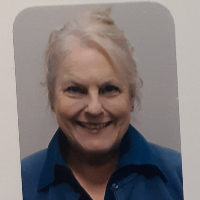




Patricia Sumlin
LMFT
Washington - 25 yrs exp














What Mindfulness Therapy Is
Mindfulness Therapy is an approach that blends mindfulness practices with talk therapy to help you relate differently to thoughts, sensations, and emotions. Rather than trying to push difficult feelings away, the work encourages observation without judgment and gentle curiosity about your internal experience. Therapists often use short guided meditations, breathing exercises, and reflective conversation to strengthen your capacity to notice patterns and choose more skillful responses over time.
This approach is not about emptying the mind. It is about learning to see how automatic reactions develop and how you can create more choice around them. Mindfulness skills are practical - they are tools you can use anywhere, from a busy commute in Seattle to a quiet afternoon at home in Spokane. Over weeks or months you typically build a greater tolerance for discomfort, improved attention, and a calmer perspective on stressful situations.
Principles Behind the Practice
At the heart of Mindfulness Therapy are a few simple principles that guide the work. The first is intentional present-moment attention - paying attention on purpose to what is happening right now. The second is nonjudgment - noticing experience without labeling it good or bad. The third is compassion - offering kindness to yourself when things are hard. Therapists integrate these principles into conversations, experiential practices, and at-home exercises so the skills generalize to daily life.
Many clinicians combine mindfulness with evidence-informed therapeutic frameworks, such as cognitive-behavioral techniques, acceptance strategies, and stress-reduction methods. That integration helps you both notice patterns and take practical steps to shift them. In Washington, therapists often blend mindfulness with culturally responsive care, adapting practices to fit your values and lifestyle whether you live in Tacoma, Bellevue, Vancouver, or a smaller community.
How Therapists in Washington Use Mindfulness
Therapists across Washington adapt mindfulness to suit different goals and settings. In urban centers like Seattle, you might find practitioners offering individual therapy, group classes, and workplace workshops focused on mindfulness-based stress reduction and resilience. In smaller cities and suburban areas clinicians may emphasize shorter practices that fit busy schedules, or they may offer hybrid formats that mix in-person sessions with online follow-ups.
In clinical sessions, therapists often begin by assessing your current challenges and what you hope to change. From there they tailor mindfulness practices - simple breathing exercises, body scans, or brief mental noting - and help you notice how those practices interact with your thoughts and behaviors. They may provide audio recordings, reading materials, and exercises to practice between sessions so you can see how small repeated efforts translate into shifts in daily life.
Issues Mindfulness Therapy Commonly Addresses
You will find Mindfulness Therapy applied to a wide range of concerns. Many people seek this approach for stress management and anxiety reduction because mindfulness practices help you step out of automatic worry loops. Others use the approach to improve mood regulation, address rumination that can accompany depression, or gain focus and clarity when attention feels scattered. It is also commonly used to support sleep routines, manage chronic pain symptoms, and improve interpersonal awareness in relationships.
Therapists in Washington often tailor these practices to your specific needs - for example, framing mindfulness exercises to support trauma-informed care or to accompany other therapeutic work. Whether you are living a fast-paced life in Bellevue or adjusting to life changes in Spokane, mindfulness can be adapted so it feels accessible and relevant to your situation.
What a Typical Online Session Looks Like
Online Mindfulness Therapy sessions generally follow a familiar rhythm that balances practice with conversation. You can expect a session to begin with a check-in about how you have been since your last appointment and any experiences you had with assigned practices. The therapist may then guide a short mindfulness exercise - five to twenty minutes depending on your comfort and goals - followed by reflective discussion that explores what arose during the practice and how it connects to your day-to-day patterns.
Therapists will often collaborate with you on practical takeaways and assign brief at-home practices to reinforce the session. When working online you should choose a quiet, comfortable environment and consider using headphones to reduce distractions. You might find a corner of your home or a parked car between commitments works well for a session. Good video connection helps, but therapists are accustomed to helping you adapt practices for phone or lower-bandwidth situations when necessary.
Who Is a Good Candidate
Mindfulness Therapy tends to suit people who are willing to experiment with brief mental practices and reflect on inner experience. If you are curious about learning tools to manage stress, improve concentration, or respond differently to strong emotions, this approach can be a helpful fit. It is also a common complement to other therapeutic work - for example, you might use mindfulness alongside cognitive approaches to gain both insight and calm.
This approach is adaptable across ages and backgrounds, though individual readiness varies. If you have a history of trauma or very intense emotional reactions you should discuss this with a clinician who has experience adapting mindfulness practices for those contexts. A skilled therapist will pace interventions carefully and offer alternative practices so you feel supported rather than overwhelmed.
Finding the Right Mindfulness Therapy Therapist in Washington
Start by considering practical factors that matter to you - whether you prefer in-person sessions in cities like Seattle or Tacoma, online appointments for greater flexibility, evening availability, or therapists who specialize in particular populations or issues. Read therapist profiles to learn about their training, modalities, and approach to mindfulness. Many profiles indicate whether clinicians integrate mindfulness with other methods such as cognitive-behavioral techniques or trauma-informed care, which can help you decide who aligns with your goals.
It is normal to reach out to a few different therapists to get a sense of their style and fit. During an initial conversation you can ask how they tailor mindfulness for your concerns, what a typical session includes, and how they track progress. Consider practicalities like fees, insurance acceptance, and whether they offer sliding-scale arrangements if cost is a concern. If you live near Vancouver or Bellevue, look for clinicians who are familiar with local resources and community supports that may complement your work in therapy.
Practical Tips Before You Begin
Before your first session you might try a short breathing exercise or a two-minute mindful check-in to get a feel for the practice. Think about the goals you want to address and any barriers that could affect your participation, such as childcare or work schedules. If you plan to engage in online sessions, test your audio and video setup and choose a spot where you can focus without interruption. Bring openness and patience - mindfulness skills grow through repeated practice, and small consistent efforts often lead to meaningful changes over time.
Across Washington there are experienced therapists ready to support your interest in mindfulness, whether you prefer individual work, group formats, or a blend of options. With thoughtful matching and a realistic understanding of the process, you can find a clinician who helps you build sustainable skills for greater clarity, balance, and calm in everyday life.