Find an Adoption Therapist in Wisconsin
This page lists adoption therapists across Wisconsin who specialize in adoption-related concerns for adoptees, adoptive parents, and families. Browse the listings below to compare providers in Milwaukee, Madison, Green Bay and other Wisconsin communities.


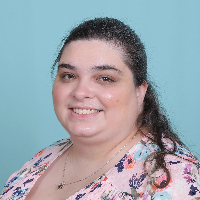
Rebekah Wolff
LPC
Wisconsin - 8 yrs exp






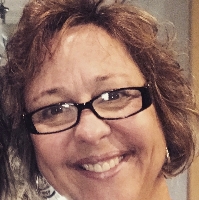
Deia Lawrence
LPC
Wisconsin - 18 yrs exp













How adoption therapy works for Wisconsin residents
Adoption therapy supports people through the many emotional, relational, and practical questions that come up before, during, and after adoption. In Wisconsin, you will typically find therapists who offer a mix of family therapy, individual counseling, and parenting-focused sessions tailored to adoption-related themes. Sessions may explore identity and attachment, help process loss and grief, assist with communication around openness and reunification, and teach strategies for managing behavioral or school-related challenges. Many clinicians combine evidence-informed approaches with a trauma-informed lens to address adoption history while helping you build strength in the present.
When you begin therapy in Wisconsin, your first sessions often involve assessment and goal-setting. Your therapist will ask about adoption history, family dynamics, current stressors, and what a successful outcome looks like to you. From there, they will suggest a course of work - sometimes short-term and solution-focused, other times longer-term when deeper exploration is needed. Therapy can be done with just one family member, with the whole family, or in a combination of formats to match your needs.
Finding specialized adoption help in Wisconsin
Look for clinicians who list adoption, attachment, or trauma-informed care among their specialties. You can find adoptee-competent clinicians in urban centers such as Milwaukee and Madison where there tends to be greater concentration of providers, and also in regional hubs like Green Bay and Kenosha. If you live in a smaller town, telehealth options often make it possible to connect with a therapist who has specific adoption experience even if they are located elsewhere in the state.
When you review profiles, pay attention to training and experience that fit your situation. Some clinicians emphasize prenatal adoption, domestic infant adoption, transracial adoption, foster-adopt transitions, or adoption reunification work. Others focus on adolescent identity development or parenting strategies for families who adopted at different ages. Choosing someone who understands your adoption pathway can shorten the time it takes to build trust and begin meaningful work.
Working with agencies and community supports
You may choose a therapist who collaborates with adoption agencies, pediatricians, schools, or support groups. In cities like Milwaukee and Madison, you will often find clinicians who regularly consult with social workers and school staff to support a child’s adjustment. That collaborative approach can help you navigate practical needs such as school accommodations, therapeutic school referrals, or coordinated care when multiple providers are involved.
What to expect from online therapy for adoption
Online therapy has become an accessible option for many families in Wisconsin. If you opt for telehealth, expect sessions to resemble in-person work in structure, but adapted for a virtual space. Your therapist may use shared worksheets, screen-based activities, or guided conversations to explore attachment patterns, family roles, and identity questions. You will still have opportunities for deep, reflective work, and some families find it easier to integrate therapy into busy schedules when sessions are remote.
Plan for a short orientation to technology and personal nature of sessions practices at the start of telehealth work. If you have a child in therapy, your clinician may suggest best practices for setting up a distraction-free environment and may occasionally include caregivers in separate sessions to review progress or practice new parenting techniques. If you live outside a major center, such as in rural Wisconsin, online therapy can make it possible to connect with a clinician who offers adoption-specific expertise without a long commute.
Common signs that someone in Wisconsin might benefit from adoption therapy
People seek adoption therapy for many reasons. You might notice ongoing questions about identity, difficulty with trust or attachment, unexpected grief or anger related to adoption history, or stress around contact and openness with birth families. Children may present with behavioral challenges at school or home, sudden mood changes, or difficulty forming friendships. Adoptive parents often look for help when discipline strategies consistently backfire, when the child’s early history affects attachment, or when feelings about infertility, loss, or reunification become overwhelming.
Teens and adult adoptees sometimes reach a point where curiosity about origins prompts intense searching or complicated emotions around reunion. If that process creates conflict, confusion, or anxiety, therapy can offer a contained space to explore identity and relationships. You do not need a crisis to benefit from therapy - many families choose counseling to strengthen attachment, improve communication, or prepare for transitions such as adolescence, school changes, or increased contact with birth relatives.
Tips for choosing the right adoption therapist in Wisconsin
Begin by clarifying your goals. Are you seeking parenting support, help with a child’s behavioral issues, identity exploration for an adoptee, or guidance during a reunification process? Once you know the primary aim, screen clinicians for relevant experience. Look for therapists who explicitly mention adoption, attachment, transracial competence if relevant, and trauma-informed care. Read profile descriptions for mentions of work with children, adolescents, families, or adult adoptees depending on your needs.
Consider practical factors such as location, availability, insurance and fee structure, and whether the therapist offers evening or weekend appointments if you need them. If you prefer in-person work, major cities like Milwaukee, Madison, and Green Bay typically offer more scheduling options. If you require more flexible timing or specialized training that is scarce locally, ask about telehealth availability. Many therapists offer an initial consultation - use that first conversation to evaluate rapport, approach, and how comfortable you feel discussing sensitive adoption topics with them.
Pay attention to cultural competency and openness. Adoption intersects with race, ethnicity, religion, and family structure in many ways. If you have a transracial family, expect prospective therapists to demonstrate understanding of race-related issues and to discuss ways they integrate cultural awareness into their work. Ask about their experience with adoption-specific interventions - for example, attachment-based parenting strategies or therapeutic techniques for processing loss.
Questions to ask during your first contacts
When you reach out to a therapist, you can ask about their approach to adoption-related concerns, typical session structure, and how they work with schools or pediatric providers if coordination is important. Inquire about how they support adolescents exploring identity or adults considering reunion. Discuss payment options and whether they accept your insurance or offer a sliding scale. A candid early conversation will help you determine practical fit as well as therapeutic alignment.
Making therapy part of your overall support plan
Therapy is one part of a broader support network. You can combine individual or family therapy with peer support groups, educational workshops, and school-based resources. In Wisconsin, community centers and adoption networks in larger cities may host support groups, educational events, and opportunities to connect with other adoptive families. Integrating therapy with these resources can help you develop skills in real-life settings and reduce feelings of isolation.
Finally, trust your sense of fit. It is normal to try a few therapists before you find the right match. If a therapist’s style or approach does not feel right, it is reasonable to seek a different clinician who better matches your needs. Adoption work can be deeply healing when you find a therapist who understands the unique contours of adoption experiences and who helps you build stronger relationships and clearer understanding within your family.