Find an Avoidant Personality Therapist in Wisconsin
This page highlights therapists in Wisconsin who focus on Avoidant Personality concerns, offering in-person and online options across the state. Browse the listings below to compare specialties, approaches and availability and connect with clinicians in your area.

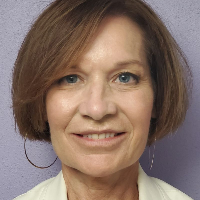
Rebekah Wolff
LPC
Wisconsin - 8 yrs exp






















How avoidant personality therapy works for Wisconsin residents
Therapy for avoidant personality patterns is an intentionally paced process that helps you understand long-standing patterns of avoidance, self-criticism and social withdrawal. In Wisconsin, clinicians from a range of professional backgrounds use evidence-informed methods to work with these patterns. The first step is usually a clinical assessment in which you and a clinician discuss symptoms, history and current challenges. From there you and the therapist set collaborative goals that focus on building coping skills, addressing core beliefs, and gradually increasing your comfort with social and interpersonal situations.
Treatment often combines approaches that address thinking patterns and emotional responses with practical skills training. Cognitive-behavioral strategies help you test and reframe beliefs that keep you from engaging with others. Exposure-based techniques create structured opportunities to approach situations you tend to avoid. Some therapists also draw on schema-informed work or psychodynamic perspectives to explore deeper relationship patterns that have shaped avoidance. Group formats can be particularly helpful when they offer a supportive setting to practice social interactions in a guided way.
Finding specialized help for avoidant personality in Wisconsin
When you look for a specialist in Avoidant Personality in Wisconsin, focus on training and experience as well as the types of therapy offered. Licensed psychologists, licensed clinical social workers, and licensed professional counselors in Wisconsin commonly treat personality-related concerns. You can also find clinicians with specialized training in personality disorders, social anxiety, interpersonal therapy or trauma-informed care, which can be relevant depending on your history.
Geography matters when you prefer in-person sessions. Larger metropolitan areas such as Milwaukee and Madison typically have more clinicians with specialized experience and a wider variety of therapy styles. Green Bay and other regional centers may offer experienced practitioners as well, and many clinicians outside major cities provide telehealth to broaden access. University training clinics and community mental health centers in Wisconsin can also be good places to find clinicians who work with complex or long-term patterns and who may offer care on a sliding fee scale.
Questions to consider when searching
As you review profiles and reach out to therapists, consider asking about their experience with avoidant personality presentations, whether they have training in specific therapy models you prefer, and what a typical course of treatment looks like. You can inquire about how they monitor progress and how they support clients who have difficulty with social engagement or interpersonal trust. Practical considerations such as session frequency, fees, and whether they accept your insurance are also important when deciding who to contact.
What to expect from online therapy for avoidant personality
Online therapy has expanded access to clinicians across Wisconsin, allowing you to work with therapists who might be located in Milwaukee, Madison, Green Bay or other parts of the state without commuting. For many people with avoidant personality patterns, online sessions can reduce the initial barrier of meeting someone face-to-face and make it easier to begin therapy. The format supports continuity of care if you travel or move within the state and can offer flexible scheduling that fits around work or school commitments.
That said, online therapy has its own dynamics. Building trust and confronting avoidance may proceed at a different pace compared with in-person work. Your therapist will help you decide when and how to practice newly learned skills in real-world settings, and some clinicians blend online sessions with occasional in-person meetings if that is helpful. Make sure you have a comfortable environment for sessions and agree with your clinician on how to handle any technical interruptions or moments when a different type of support is needed outside scheduled sessions.
Common signs that someone in Wisconsin might benefit from avoidant personality therapy
You might consider seeking therapy if you notice a pattern of avoiding social contact because of fear of criticism or rejection, if you feel limited in forming close relationships, or if you routinely pass up opportunities at work, school or in social life due to worries about being judged. Persistent feelings of shame, intense self-criticism, and the tendency to view others as more capable or worthy can also signal that therapeutic support would be helpful. These patterns can affect day-to-day functioning and quality of life, and addressing them often opens the door to more satisfying relationships and broader participation in community life.
Life transitions common in Wisconsin - such as moving to a new town, starting a new job in Milwaukee, returning to college in Madison, or reconnecting with family - can bring these patterns into sharper relief. Therapy gives you a space to explore how avoidance developed, to practice new ways of interacting, and to reduce the emotional burden that comes with persistent isolation and self-limiting beliefs.
Tips for choosing the right therapist for this specialty in Wisconsin
Start by clarifying what you want from therapy - symptom relief, improved relationships, better social confidence, or deeper personality-level change. Use those goals to guide your search. Look for therapist profiles that mention experience with avoidant interpersonal patterns, social anxiety, or personality-focused work. Read descriptions of the clinician's therapeutic approach to see if it aligns with what you prefer - some people want directive, skills-based therapy while others prefer exploratory, relational work.
Practical fit matters as much as theoretical fit. Consider logistics like whether the clinician offers in-person sessions near your city or telehealth across Wisconsin, what their availability is like, and how fees compare with your budget or insurance coverage. A good initial fit often comes down to rapport - during a first contact or consultation you should feel heard and understood. If a clinician suggests a treatment plan and timeline that make sense to you, that is a good sign.
If you live in or near major population centers such as Milwaukee, Madison or Green Bay, you may find more options and be able to try consultations with a few clinicians before deciding. If you are farther from urban areas, telehealth makes it easier to connect with specialists statewide. Trust your impressions from the first few conversations and choose someone whose approach and communication style you can imagine working with for several months.
Next steps and when to reach out
Beginning therapy can feel like a big step, especially if avoidance has been a long-standing pattern. A practical way to start is to browse profiles for therapists who list Avoidant Personality or related specialties, note a few who match your practical needs, and reach out for brief consultations. These initial conversations will help you assess experience, approach and whether scheduling and fees work for you.
Therapy is a collaborative process - you and your clinician will shape the work together as you learn what helps. Whether you choose in-person care in Milwaukee or Madison, or connect with a clinician online, the important thing is finding someone who understands the nuances of avoidant patterns and can support you in taking steady, manageable steps toward your goals. When you are ready, use the listings on this page to begin contacting therapists and find a match that fits your needs in Wisconsin.