Find a Domestic Violence Therapist in Wisconsin
On this page you'll find therapists in Wisconsin who specialize in domestic violence recovery and related trauma work. Browse the listings below to compare approaches, locations, and ways to connect with a therapist near Milwaukee, Madison, or Green Bay.

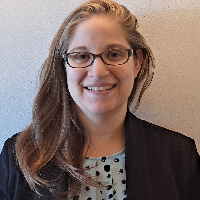
Stephanie Collins
LCSW
Wisconsin - 10 yrs exp






















How domestic violence therapy works for Wisconsin residents
If you are seeking help after experiencing domestic violence, therapy in Wisconsin typically begins with an initial assessment to understand your immediate needs and safety concerns. During that first conversation you and the clinician will discuss what brought you to therapy, any pressing legal or medical issues, and your goals for the work. Therapists who focus on domestic violence often tailor their approach to address trauma symptoms, stress, relationship dynamics, and practical planning. You can expect sessions to combine emotional support, skill-building, and connections to community resources such as local victim services, shelters, or legal aid when appropriate.
The pace and focus of therapy will depend on what you want to accomplish. Some people prioritize coping strategies to manage anxiety and sleep disruption. Others work on rebuilding self-esteem, setting boundaries, or processing traumatic events. A therapist may use trauma-informed methods, cognitive-behavioral techniques, or relational approaches based on your needs. Throughout, the work in therapy aims to help you make safer decisions, strengthen your coping resources, and find stability in daily life.
Finding specialized help for domestic violence in Wisconsin
When you search for a therapist in Wisconsin who specializes in domestic violence, look for clinicians who mention trauma, intimate partner violence, or safety planning in their profiles. You can filter by location, insurance, or therapeutic approach, and read bios to see whether a therapist has experience with issues similar to yours. It may be helpful to choose someone who is familiar with Wisconsin systems - for example, the state family court process, local advocacy programs, or community shelters - because regional knowledge can speed connections to practical support.
If you live in a larger city like Milwaukee or Madison, you may find a wider range of therapists with specialized training in trauma-focused care. In smaller communities or more rural counties, therapists may provide longer-term generalist care and strong knowledge of local partner agencies. No matter where you live, you can contact a few clinicians to ask about their experience, approach, and how they coordinate with local services such as legal advocates or health clinics.
Working with community supports
Therapy is often most effective when coordinated with other supports. You might be connected to a local advocacy program, a court victim-witness office, or a health provider who can address physical injuries. Therapists in Wisconsin frequently collaborate with these resources to make sure your care aligns with safety planning and any legal steps you are considering. If you are unsure where to start, county social services or a primary care clinic can often point you to nearby programs that focus on domestic violence response.
What to expect from online therapy for domestic violence
Online therapy can be a practical option if you need flexible scheduling or live far from specialized providers. When you choose remote sessions, you should expect similar clinical goals as in-person care - assessing safety, building coping skills, and exploring trauma recovery - but delivered through video or phone. Many clinicians are experienced in helping clients create a safe setting for sessions at home or another location, and they can help you plan what to do if a session is interrupted or you feel unsafe during a call.
Before beginning online therapy, talk with a prospective therapist about how they handle safety planning and emergencies, what technology they use, and whether they have experience providing remote care for domestic violence survivors. Find out if they can refer you to local in-person resources in Wisconsin cities like Green Bay or Racine if in-person support becomes necessary. In some situations, you may start with online sessions and then transition to in-person work if that feels more appropriate.
Common signs that someone in Wisconsin might benefit from domestic violence therapy
You might consider seeking therapy if you notice ongoing fear or anxiety related to a partner, patterns of controlling behavior, or physical injuries caused by an intimate partner. Emotional symptoms such as difficulty sleeping, intrusive memories, or hypervigilance can also indicate that focused support may help. You may find it hard to trust others, feel isolated from friends and family, or struggle with decisions about safety and next steps.
Another signal that therapy could be beneficial is when the stresses of a relationship begin to affect your work, parenting, or overall well-being. If you are navigating separation, custody conversations, or legal actions in Wisconsin, therapy can provide practical coping strategies and a steady space to process emotions. Even if you are not yet ready to make changes in a relationship, therapy can help you clarify your options and strengthen your sense of control over your own life.
Tips for choosing the right therapist for this specialty in Wisconsin
Choosing a therapist is a personal decision and it is reasonable to take time to find a good fit. Start by reading provider profiles to see who lists experience with intimate partner violence or trauma. When you contact a therapist, ask about their experience with safety planning, how they approach trauma work, and whether they have worked with people from backgrounds similar to yours. You might inquire about their familiarity with Wisconsin laws and local resources so they can help you navigate referrals when needed.
Consider practical factors as well - availability, location, and whether the clinician offers evening or weekend appointments if you need them. If cost is a concern, ask about sliding scale options, insurance participation, or community programs that offer low-cost care. If you prefer a clinician who shares certain cultural, linguistic, or gender-related experiences, you can search for therapists who indicate those areas of focus in their profiles. Trust your instincts: a therapist who listens, explains their methods clearly, and respects your choices is usually a good starting point.
Questions to ask during an initial contact
During an initial phone call or intake, it is helpful to ask how the therapist structures therapy, what methods they commonly use for trauma, and how they support clients with immediate safety planning. You can also ask about their experience working with people who are navigating legal matters or family court in Wisconsin. A thoughtful clinician will be willing to explain how they coordinate care with local advocates or law enforcement when necessary and how they maintain clear boundaries about professional roles.
Connecting with local resources across Wisconsin
Therapy does not happen in isolation. Many people find that combining therapy with advocacy, legal guidance, or medical care creates a stronger foundation for recovery. If you live in a city such as Milwaukee or Madison, you may have access to specialized clinics, advocacy centers, and group programs. In Green Bay and other regions, county agencies and community organizations can offer practical assistance like shelter referrals, emergency housing information, and victim services.
If you need immediate assistance, consider reaching out to local hotlines or your county victim services to get information on options in your area. A therapist can often help you make those connections and act as a partner in developing a plan that addresses both emotional healing and practical safety. Seeking help is a meaningful step, and finding a therapist who understands your situation and the local landscape in Wisconsin can make that step more manageable.
When you are ready, use the listings above to explore clinicians near you, compare their approaches, and reach out for an initial conversation. Even a short call can help you understand whether a therapist is a good match for your goals and circumstances. You do not have to manage this on your own - there are professionals across Wisconsin who focus on domestic violence recovery and on helping you move toward a safer, more stable future.