Find a Female Therapist in Wisconsin
This page features female therapists practicing in Wisconsin, with filters to help you find providers by city, specialty, and approach. Browse the listings below to review profiles, areas of focus, and contact options to begin your search.

Stephanie Collins
LCSW
Wisconsin - 10 yrs exp


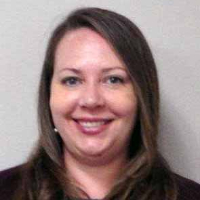

Rebekah Wolff
LPC
Wisconsin - 8 yrs exp



















How working with a female therapist in Wisconsin typically works
If you choose to work with a female therapist in Wisconsin, the process usually begins with a search and an initial outreach to a clinician whose profile aligns with your needs. Many therapists provide a short consultation by phone or video to discuss goals, scheduling, and insurance or fees. Once you decide to move forward, you and your therapist will agree on a meeting cadence - weekly, biweekly, or as needed - and set goals for therapy that reflect your priorities. Sessions themselves can take place in-person in clinic settings across cities like Milwaukee and Madison, or online for greater flexibility.
Finding specialized help for women's needs in Wisconsin
Female therapists often develop expertise in areas that are particularly relevant to women and girls, such as reproductive and perinatal mental health, life transitions, relationship dynamics, trauma, and gender-related stress. If you have a specific concern - for example managing symptoms after childbirth, navigating workplace bias, or coping with relationship changes - search for therapists who list those specialties in their profiles. Many Wisconsin clinicians also highlight their training in modalities like cognitive behavioral therapy, trauma-focused approaches, or emotionally focused therapy, which can be useful depending on the kind of support you prefer.
What to expect from online therapy with a female therapist
Online therapy can make it easier to connect with a female therapist who matches your preferences, especially if you live outside major urban centers or need more flexible hours. When you opt for online sessions, you should expect a secure appointment platform provided by the clinician or their practice, clear instructions about how sessions will be conducted, and policies about cancellations and fees. Many therapists adapt standard therapeutic techniques to work effectively over video or phone while maintaining focus on your goals. If you live in areas like Green Bay or Kenosha, online options can expand the pool of available clinicians beyond local clinics.
Signs you might benefit from working with a female therapist
You might consider seeing a female therapist if you feel more comfortable discussing gender-specific experiences with a woman, or if you are seeking a clinician with experience in women's health-related concerns. Common reasons people seek out female therapists include dealing with anxiety or depression that coincides with hormonal changes, coping with pregnancy loss or postpartum challenges, processing histories of sexual or intimate partner trauma, or navigating gendered life transitions such as caregiving responsibilities or career shifts. If everyday stressors are beginning to interfere with your relationships, work, or day-to-day functioning, therapy can provide support and strategies to help you manage.
How to evaluate a therapist's profile and approach
When reviewing profiles on a directory, look for clear descriptions of the therapist's training, treatment approaches, and areas of focus. Pay attention to whether they mention specific populations they work with - for example adolescents, mothers, or women in midlife - and whether they have experience with issues that feel relevant to you. It is also useful to note practical information such as whether they accept your insurance, offer sliding-scale fees, and have availability that fits your schedule. If their profile includes client testimonials or a brief video introduction, those can offer additional insight into their communication style and therapeutic orientation.
Practical tips for choosing the right female therapist in Wisconsin
Start by clarifying what you want from therapy - symptom relief, better coping skills, support through a life transition, or deeper personal insight - and use those goals to narrow your search. Consider logistics like location, whether you prefer in-person or online sessions, and whether evening or weekend appointments are necessary. Reach out to a few therapists for initial consultations; these conversations are an opportunity to ask about their experience with issues similar to yours, their typical approach in early sessions, and how progress is tracked. Trust your instincts about fit - a strong therapeutic relationship often matters as much as technique when it comes to making meaningful progress.
Working with therapists in different Wisconsin communities
Therapists practicing in Milwaukee may have extensive experience addressing concerns common in dense urban settings, while clinicians in Madison often work with students, young families, and public sector professionals. In Green Bay, you may find therapists who balance community-centered approaches with more traditional clinic models. No matter where you are, you can look for clinicians who integrate cultural awareness and local resources into their care plans. If transportation or scheduling is a barrier, online options allow you to connect with therapists beyond your immediate area, while still benefiting from clinicians who understand Wisconsin-specific resources and systems.
Questions to ask during an initial consultation
During an initial call or intake session, ask about the therapist's experience with issues like the ones you are facing, what a typical session looks like, and how they measure progress. You may also inquire about practical matters - fees, session length, and cancellation policies - so there are no surprises. If certain cultural or identity-related matters are important to you, mention them early to assess fit. A good therapist will be open about their approach and able to explain how they might tailor care to your situation.
Preparing for your first sessions
Before your first appointment, reflect on what brought you to therapy, what you hope to change, and any questions you want to ask. If you plan to use insurance, check coverage details in advance and have relevant information available. For online sessions, test your device and internet connection so the session can start promptly. Early sessions are usually focused on understanding your history and identifying immediate priorities; you and your therapist will then collaborate to develop a plan that feels achievable and relevant to your life.
Continuing care and when to adjust direction
Therapy is a collaborative process that can be adjusted over time. If after several sessions you feel the approach is not helping, mention your concerns and discuss alternatives with your therapist - changes in technique, frequency, or referring to another specialist are all reasonable options. You might also choose to switch therapists if you feel a persistent mismatch in communication or priorities. The goal is to find a professional relationship that supports your growth and wellbeing.
Next steps for finding a female therapist in Wisconsin
Use the directory filters to focus your search by city, specialty, or availability, and reach out to schedule introductory conversations. Whether you are in Milwaukee, Madison, Green Bay, or elsewhere in the state, taking the first step to connect with a clinician can open a path toward meaningful support. Trust your judgment, ask questions, and choose a therapist whose experience and approach align with what you want to accomplish.