Find a Forgiveness Therapist in Wisconsin
This page connects you with therapists in Wisconsin who focus on forgiveness work, including professionals serving Milwaukee, Madison, Green Bay, Kenosha, and Racine. Browse the profiles below to compare approaches, credentials, and availability.

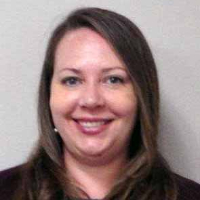

Rebekah Wolff
LPC
Wisconsin - 8 yrs exp




















How Forgiveness Therapy Works for Wisconsin Residents
Forgiveness therapy focuses on helping you process experiences of hurt, betrayal, or ongoing conflict so you can make thoughtful decisions about how to live with those experiences. In Wisconsin, as elsewhere, therapists trained in forgiveness work draw on a range of evidence-informed approaches - including cognitive-behavioral techniques, emotion-focused methods, and narrative work - to help you explore the meaning of what happened, manage strong emotions, and consider new ways of relating to yourself and others. The aim is not to force forgiveness, but to support you in reducing the emotional burden and regaining agency in your life.
Therapists often guide you through stages such as clarifying what forgiveness would mean for you, processing anger and grief, and developing practical strategies for new boundaries or reconciliation when appropriate. This process can be adapted whether you live in urban centers like Milwaukee and Madison, or in smaller communities across the state. Therapists balance emotional exploration with real-world planning so you leave sessions with both insight and tools to use between meetings.
Finding Specialized Help for Forgiveness in Wisconsin
When looking for a therapist who focuses on forgiveness, you may notice different clinicians emphasize distinct elements of the work. Some clinicians frame forgiveness within trauma-informed frameworks and focus on safety and stabilization first. Others incorporate faith- or values-based perspectives if that aligns with your worldview. In Wisconsin, you can find both licensed clinicians offering in-person appointments in cities such as Green Bay and Racine, and practitioners who provide remote care for residents across the state. It can be useful to read profiles to identify clinicians who mention forgiveness explicitly, or who list related specialties like grief work, trauma recovery, couples counseling, or moral injury.
Licensing and credentials matter because they indicate a clinician has met state requirements to practice. You can confirm licensure and professional standing through the state regulatory board. While credentials do not guarantee fit, they help you begin a conversation with confidence. Many therapists also note whether they have additional training in specific forgiveness interventions or retreats. If cultural context matters to you - for example, religious or community ties in Milwaukee neighborhoods or university-affiliated services in Madison - look for clinicians who describe relevant experience.
What to Expect from Online Therapy for Forgiveness
Online therapy expands access to forgiveness work by making experienced practitioners available across the entire state. If you live in a rural part of Wisconsin, virtual sessions can connect you with clinicians who specialize in forgiveness but are based in larger metro areas. In an online session you can expect a similar therapeutic structure to in-person care - a focus on your goals, time to process feelings, and practical strategies for coping outside sessions. Many therapists use screen-sharing, worksheets, or guided exercises to help you practice skills between meetings.
Online therapy can also feel different in its intimacy - working from your home or car can influence emotion and attention in ways that are both helpful and challenging. You should plan for a quiet, comfortable setting where you can speak openly and be minimally interrupted. Discuss technology needs and emergency planning with your therapist at the outset, so you know how to reach help if a crisis arises. If you prefer in-person interaction, many Wisconsin clinicians in Milwaukee, Madison, and Green Bay offer hybrid models that let you meet face-to-face sometimes and remotely at other times.
Common Signs You Might Benefit from Forgiveness Therapy
You might consider forgiveness therapy if painful memories occupy a large portion of your thoughts or if past conflicts affect your current relationships and well-being. If you notice persistent anger that interferes with work or family life, or if you are avoiding people or places because of past hurt, a targeted therapeutic approach can help. Some people seek forgiveness work when they are stuck between whether to reconcile or maintain distance from someone who caused harm, or when they notice that resentment limits their capacity for joy despite outward success.
Other signs include difficulty trusting others after a breach, recurring nightmares or intrusive memories tied to relational hurt, or a pattern of repeating the same dynamics in relationships. Forgiveness work can also be relevant when you struggle with self-directed blame - such as inability to forgive yourself after a mistake - which often shows up as shame, avoidance, or chronic self-criticism. If these patterns resonate, a therapist trained in forgiveness techniques can help you explore options in a thoughtful, paced way.
Tips for Choosing the Right Therapist for Forgiveness Work in Wisconsin
Start by clarifying what forgiveness means to you - is it reconciliation, a shift in how you hold a memory, or reducing the emotional charge of an event? Once you know your goal, seek therapists who describe experience with that outcome. Read clinician profiles to learn about their approaches and whether they integrate cultural or spiritual dimensions relevant to your values. If you live near Milwaukee or Madison you may have more options for in-person specialization, while residents of smaller cities may prioritize clinicians who offer remote appointments.
During initial outreach, ask how the therapist conceptualizes forgiveness and what tools they commonly use. Ask about typical session frequency and how they track progress. It is reasonable to inquire about comfort with family systems, couples work, or faith-based considerations if those are part of your context. If you already see a clinician for another concern, consider whether integrating forgiveness work into ongoing therapy is possible. Trust your sense of fit - the relationship with your therapist often matters as much as specific techniques.
Practical Considerations for Wisconsin Residents
Insurance coverage can vary, so check whether a therapist accepts your plan or offers a sliding-fee option. Many clinicians list rates and insurance information on their profiles, and some may provide a brief consultation to answer logistical questions before you commit. If transportation or childcare is a hurdle, online sessions can reduce barriers. Conversely, if you prefer meeting in person, look for clinicians with office locations convenient to Milwaukee neighborhoods, the university districts of Madison, or community clinics near Green Bay.
Finally, give the process time. Forgiveness is often gradual and may not follow a linear path. You may notice shifts in perspective that feel freeing, and you may also revisit challenging feelings as you integrate new understandings. A thoughtful therapist will help you set realistic expectations and develop concrete skills to manage emotions between sessions. As you explore options on this page, focus on practitioners whose approach resonates with your values and whose availability fits your life in Wisconsin.
Moving Forward
Forgiveness therapy can be a helpful path when you seek relief from lingering pain and want to live with greater emotional freedom. Whether you prefer in-person counseling in Milwaukee or Madison, or remote sessions that reach across Wisconsin, the therapists listed here offer a range of perspectives and methods. Take advantage of the listings to compare specialties, read about clinician backgrounds, and reach out for an initial conversation to see who feels like the right partner for your work.