Find a Prejudice and Discrimination Therapist in Wisconsin
This page lists therapists who specialize in prejudice and discrimination issues for people living in Wisconsin. You can browse clinician profiles, filter by location or online availability, and read about approaches that may fit your needs.
Explore the listings below to find a therapist who understands the personal and social impacts of bias and can support your healing or coping journey.


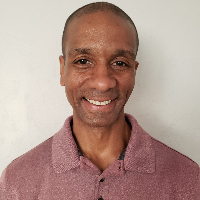
Rebekah Wolff
LPC
Wisconsin - 8 yrs exp


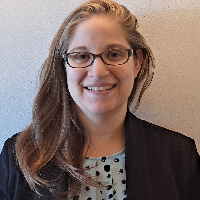
Janet Jacobs
LPC
Wisconsin - 28 yrs exp


















How prejudice and discrimination therapy can help in Wisconsin
When prejudice or discrimination affects your daily life, relationships, or sense of safety, therapy can offer tools for healing, resilience, and practical coping. In Wisconsin, therapists who focus on these issues work with people from diverse backgrounds to address the emotional and interpersonal consequences of bias. Therapy often involves exploring how experiences with unfair treatment shape your self-image and stress responses, developing strategies to manage triggers, and strengthening supports that help you navigate work, school, family life, and community spaces.
Whether you live in Milwaukee, Madison, or a smaller community, you may encounter different contexts where bias emerges - from workplace microaggressions to hostile interactions in public settings. A clinician with experience in this specialty will help you make sense of what happened, identify patterns that affect your wellbeing, and build practical skills to respond in ways that honor your needs and safety.
Finding specialized help for prejudice and discrimination in Wisconsin
Start by looking for clinicians who list cultural competence, anti-oppression practice, or trauma-informed care among their specialties. These terms indicate training in working with the effects of systemic and interpersonal bias. You can also pay attention to clinicians who mention experience with identity-related concerns such as race, gender, sexual orientation, religion, disability, or immigration status - matching on these points can matter if you want someone who understands your lived experience.
Licensing and training vary among providers, so consider the credentials that matter to you. Many Wisconsin clinicians are licensed social workers, counselors, psychologists, or family therapists, and some have additional certifications in trauma work or multicultural counseling. When you review profiles, look for descriptions of the populations they serve, their approach to discrimination-related stress, and whether they offer in-person appointments in cities like Green Bay or remote sessions that make it easier to access a specialist outside your immediate area.
What to expect from online therapy for prejudice and discrimination
Online therapy widens your options, especially if local services are limited or if you prefer meeting someone outside your immediate community. When you choose virtual sessions, expect many of the same therapeutic practices as in-person work - exploring experiences, learning coping strategies, processing emotions, and setting goals. Online formats can be especially useful if you live in a rural area of Wisconsin or need flexible scheduling around work or family responsibilities.
In an online session you will typically meet by video or phone, and you should feel comfortable discussing boundaries, personal nature of sessions, and session logistics with your therapist. A skilled clinician will help you create a safe setting for conversations about sensitive experiences, and will work with you to establish plans for emotional regulation between sessions. If you live in Madison or Kenosha and prefer an in-person connection, many therapists offer both formats so you can choose what feels most supportive.
Common signs that you might benefit from this kind of therapy
You might consider reaching out to a therapist if experiences of prejudice or discrimination are affecting your mood, sleep, relationships, or work performance. People often seek help after repeated incidents that leave them feeling anxious, angry, disconnected, or helpless. You may also notice heightened vigilance, avoidance of certain places or people, intrusive memories of upsetting encounters, or a sense that your identity is under constant scrutiny. Friends or family may encourage you to get help if they see changes in your behavior or mood that are hard to address alone.
Therapy is not only for acute reactions. You might pursue support to process long-standing impacts of discrimination, to develop advocacy skills, or to strengthen community ties. If you are supporting someone else who is experiencing bias, therapy can help you learn how to offer effective support while maintaining your own wellbeing.
Practical tips for choosing the right therapist in Wisconsin
First, reflect on what you want from therapy. Are you looking for someone who will help you manage symptoms like anxiety or insomnia, or do you want a clinician who can support longer-term identity work and advocacy planning? Your goals will guide whether you select a therapist with a trauma-informed orientation, a social justice focus, or experience in cognitive-behavioral strategies for stress management.
Next, review therapist profiles carefully. Look for language that aligns with your experience - clinicians who explicitly name the kinds of bias you have faced are often better prepared to address those issues. Consider practical factors like location and availability - if you live near Milwaukee or Green Bay you may prefer in-person care, while online options may be more convenient if your schedule is unpredictable. Cost and insurance participation also matter; many therapists offer a sliding fee scale or accept different plans, so ask about affordability during an initial inquiry.
Trust your instincts during initial consultations. A good fit means you feel heard and respected, and that the therapist explains their approach in a way that makes sense to you. It is okay to interview a few clinicians before deciding. You may also ask about their experience working with people of your background or how they adapt interventions to reflect cultural values and community contexts in Wisconsin.
Working with clinicians who understand community and systemic issues
Prejudice and discrimination are shaped by social structures as well as personal interactions, so many therapists incorporate an understanding of systemic factors into treatment. This may involve validating your experiences of injustice, exploring how social stress affects your mental and physical health, and identifying community resources or advocacy strategies that can increase your sense of agency. If activism or collective healing are important to you, look for therapists who support community-based approaches or who can help you balance self-care with engagement.
In urban areas like Madison and Milwaukee there are often community groups and support networks that complement individual therapy. Your therapist can help you connect with local organizations, support groups, or legal resources if you need them. In smaller cities and towns you may rely more on teletherapy and online communities to find peer support and specialist clinicians.
Getting started and next steps
Begin by identifying a few therapists whose profiles resonate with you and reach out to schedule a brief consultation. Use that conversation to ask about their experience with prejudice and discrimination, how they structure sessions, and what outcomes they typically focus on. Be straightforward about your goals and any practical needs, such as evening appointments or affordability. If a therapist is not the right match, it is reasonable to continue searching until you find someone who feels like a good fit.
Taking the first step toward therapy can feel daunting, but it can also be an important act of self-care and empowerment. Whether you are in Racine, Kenosha, or elsewhere in Wisconsin, finding a clinician who understands the personal impact of bias can help you build resilience, reclaim a sense of safety, and find strategies to move forward on your terms.