Find a Self-Love Therapist in Wisconsin
This page lists Self-Love therapists in Wisconsin who focus on building self-compassion, self-esteem, and healthier self-relationship patterns. Browse the listings below to view therapists' specialties, approaches, and locations across the state.

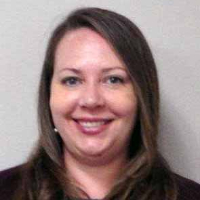


Rebekah Wolff
LPC
Wisconsin - 8 yrs exp




















How self-love therapy works for Wisconsin residents
When you seek self-love therapy you are choosing a process that focuses on changing the way you relate to yourself. Therapists trained in this specialty often blend practical skills with emotional exploration so you learn to notice critical self-talk, challenge long-held negative beliefs, and practice kinder internal responses. Sessions typically move at a pace you find manageable. Early work might center on identifying patterns that undermine your self-worth, then shift toward exercises that build self-compassion, assertiveness, and resilience in daily life.
In Wisconsin, therapists may integrate regionally relevant resources and community referrals as part of this work. If you live in an urban area like Milwaukee or Madison you may find clinicians who combine individual therapy with group workshops, mindfulness classes, or partnered community programs. If you are in a smaller town or a rural county you can still access meaningful care through clinicians who tailor strategies to the practical realities of your schedule and local supports. The therapeutic relationship becomes the foundation - a place where you can practice new ways of treating yourself and then test those habits outside of sessions.
Finding specialized help for self-love in Wisconsin
Finding the right therapist often begins with understanding the specific approaches that resonate with you. Some clinicians use compassion-focused techniques that teach you to soften harsh inner criticism. Others emphasize acceptance and commitment approaches that help you align daily actions with personal values. Cognitive-behavioral methods can be helpful in changing unhelpful thinking patterns, while somatic or mindfulness-based work can help you reconnect with physical sensations and emotional regulation. When you search for help in Wisconsin, look for therapists who list self-compassion, self-esteem, or self-worth work among their specialties.
Local factors matter too. If you live near Green Bay you may find clinicians who also have experience supporting people in seasonally affected mood shifts or in coping with community-specific stressors. In Madison there may be more opportunities to combine individual sessions with academic or community-based groups. In Milwaukee you may find a broader range of therapists offering evening appointments to accommodate commuting schedules. Asking about therapists' experience with the particular challenges you face will help you identify professionals who have worked with similar goals and life circumstances.
What to expect from online therapy for self-love
Online therapy can make self-love work more accessible across Wisconsin, especially if you live some distance from major cities. When you choose virtual sessions you can expect a similar therapeutic arc to in-person care - assessment, collaborative goal-setting, skill practice, and ongoing reflection. Your therapist will usually ask about what you hope to change, how your daily life is affected, and what has or has not helped in the past. Many clinicians assign reflective exercises or simple behavioral experiments between sessions so you can practice self-compassion in real-world moments.
Technically, online appointments require a reliable internet connection and a device that supports video calls. Therapists will typically share guidelines about how to prepare for sessions - choosing a quiet spot, using headphones if you prefer, and deciding how to handle interruptions. If you live in a busy household or have limited space, you can discuss alternatives like phone sessions or scheduling sessions during quieter times. A strong therapeutic connection can form through a screen, and many people find that the convenience of online sessions helps them stay consistent and engaged with the work.
Common signs that you might benefit from self-love therapy
You might consider self-love therapy if you notice that self-criticism often shapes your decisions and feelings. If you find yourself replaying mistakes, minimizing achievements, or feeling undeserving when others offer praise, these patterns can erode confidence over time. Persistent people-pleasing, difficulty saying no, or allowing others to define your worth are also common signals that compassionate self-awareness could help you draw healthier boundaries and honor your needs.
Other signs include chronic comparison with peers, perfectionism that prevents you from starting or finishing projects, or a strong fear of rejection that limits relationships and opportunities. Body image struggles, shame about past events, or feeling emotionally numb to accomplishments are experiences many people bring to self-love therapy. Life transitions such as moving to a new city, ending a relationship, or shifting careers can intensify self-doubt, making this work especially relevant during those periods.
Tips for choosing the right self-love therapist in Wisconsin
Start by clarifying what you want from therapy so you can compare therapists on the traits that matter most to you. Consider whether you want someone who emphasizes practical skill-building, someone who draws on mindfulness and compassion training, or someone who focuses on deeper exploration of early attachment and relational patterns. Credentials and licensure are important, but fit can matter more for progress. Look for clinicians who describe their approach to self-love in ways that match what you need.
Practical considerations will help you narrow choices. Think about appointment times, session length, whether you prefer in-person meetings or online sessions, and whether insurance or sliding scale fees are important for your budget. If you live near Milwaukee, Madison, or Green Bay you can weigh in-person convenience against the scheduling flexibility of virtual care. Reach out to therapists for brief consultations - many offer an initial call where you can ask about experience, treatment methods, and what the first few sessions might include. Pay attention to how comfortable you feel during that conversation; a sense of ease and respect can be an early indicator of a productive fit.
Ask potential therapists about the kinds of exercises they use, how they measure progress, and how they handle setbacks. You can also inquire about cultural competence and whether the therapist has experience supporting people from your background or identity. If you are exploring group options, ask how group work complements individual sessions and what kinds of topics are typical in group settings. Ultimately you want a clinician who helps you practice new ways of relating to yourself while offering steady guidance and honest feedback.
Getting started and next steps
Beginning self-love therapy is an act of care toward yourself. If you are ready, use the directory listings on this page to review therapists' specialties, read practitioner profiles, and reach out for initial consultations. You can try one or two sessions with a therapist to see how the dynamic feels. Change often happens gradually, through repeated practice and real-world testing of new habits - patience with the process is part of the work. Whether you are in Milwaukee, Madison, Green Bay, or elsewhere in Wisconsin, there are clinicians who can support you as you build gentler self-talk, steadier self-respect, and more satisfying relationships with yourself and others.
Take the next step by browsing the profiles below. When you find a therapist who seems like a good match, contact them to ask about availability, approach, and what the first session will look like. Beginning this journey may feel daunting, but many people find that investing in self-love leads to clearer values, better boundaries, and a more resilient sense of who they are.