Find a Therapist of Color Therapist in Wisconsin
This page lists therapists of color practicing in Wisconsin, with profiles spanning Milwaukee, Madison, and Green Bay. Each listing highlights cultural awareness, specialties, languages, and practical details to support an informed search. Browse the listings below to compare clinicians and contact those who feel like a fit.


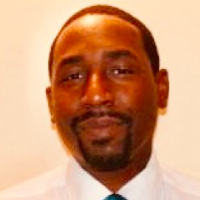
Rebekah Wolff
LPC
Wisconsin - 8 yrs exp








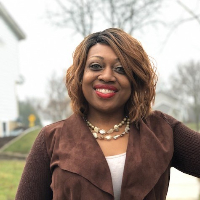
Deia Lawrence
LPC
Wisconsin - 18 yrs exp








How therapist of color therapy works for Wisconsin residents
When you look for a therapist of color in Wisconsin you are seeking clinicians who bring both clinical training and cultural experience to the therapeutic relationship. These practitioners often foreground race, ethnicity, and culture as meaningful parts of your story, and they integrate that understanding into assessment and treatment planning. In practice this means conversations that acknowledge how community histories, family expectations, and experiences of bias or marginalization shape emotional life and coping. Whether you meet in an office in Milwaukee or connect online from a small town outside Green Bay, a therapist of color aims to validate those realities while helping you develop strategies for daily life, relationships, and long-term goals.
In Wisconsin, therapists of color hold a range of licenses and professional identities - licensed counselors, clinical social workers, psychologists, and marriage and family therapists among them. Each brings different training and approaches, so you may find clinicians who combine culturally responsive perspectives with therapies you have heard of before, such as cognitive-behavioral work, trauma-focused approaches, narrative practices, or relational modalities. The focus is on making treatment meaningful to who you are and where you live, which can be especially important in communities that have limited culturally aligned mental health resources.
Finding specialized help for therapist of color services in Wisconsin
Searching for a clinician who is a good cultural match means paying attention to more than just a degree. Look at therapist bios for mentions of specific lived experience, cultural competence training, language skills, and populations served. Some clinicians center work with Black, Latinx, Indigenous, Asian American, or multiracial clients, while others describe experience with immigrant families, bilingual therapy, or faith-informed care. You might also find clinicians who specialize in working with students in Madison, professionals in Milwaukee, or families in suburban and rural parts of the state.
Practical considerations matter as well. Check whether therapists list insurance acceptance, sliding scale options, or evening appointments if you need flexibility. If in-person sessions are important to you, note their city and office hours - Milwaukee and Madison typically have larger clinic networks and more evening and weekend availability, while Green Bay and other cities may offer fewer office options but growing online access. Reach out to ask about training in anti-racism, work with intersectional identities, or experience addressing workplace microaggressions - these conversations can help you assess fit before committing to a full session.
What to expect from online therapy with a therapist of color
Online therapy can widen your options if local culturally aligned clinicians are limited. When you choose a therapist of color who offers telehealth, you can access clinicians in different parts of Wisconsin without traveling, which can be helpful if you live outside Milwaukee or Madison. Online sessions typically take place through video calls, phone meetings, or messaging tools, and they can mirror the pace and content of in-person work. Many clients find that thoughtful online therapy allows them to work through identity-related themes in a familiar setting where daily life and therapy connect more directly.
Before starting online work you may want to confirm that the clinician is licensed to practice in Wisconsin and to ask about technical logistics such as the platform used, how to join a session, and what to do if a connection drops. You can also ask how the therapist maintains privacy protections for sessions, what documentation is completed electronically, and how billing or insurance is handled for virtual care. A good therapist will welcome questions about process and will help you set up a comfortable routine for remote sessions, whether you live in an urban neighborhood in Milwaukee or a rural community near Green Bay.
Preparing for your first session
Your first meeting is often an intake conversation where you and the clinician outline goals, share background, and get a sense of mutual fit. You can prepare by thinking about what brought you to therapy now, any previous mental health care you have had, and what aspects of culture or identity you would like the therapist to understand. If language matters, note whether you prefer therapy in a particular language or whether cultural traditions should be part of the conversation. You can also prepare practical questions about session length, frequency, fees, and cancellation policies so you arrive with clear expectations.
Common signs you might benefit from therapist of color therapy
You might consider seeing a therapist of color if you often feel misunderstood in mainstream mental health settings, if you are processing experiences of racial stress or discrimination, or if cultural expectations are creating friction in relationships. People also seek this specialty when navigating identity transitions, intergenerational conflicts, or the emotional fallout of microaggressions at work or school. Persistent feelings of anxiety, low mood, or difficulties in relationships that do not improve with self-help strategies can all be reasons to explore therapy. Choosing a clinician who recognizes how culture interacts with mental health can help you address these issues in a context that feels personally relevant.
Additionally, you may be drawn to a therapist of color for preventive reasons - to build resilience, strengthen cultural identity, or prepare for life transitions in a way that honors your background. Students in Madison, professionals in Milwaukee, and families in smaller Wisconsin cities often seek culturally attuned support that fits their schedules and life circumstances. Whatever your reason, an early conversation with a clinician can clarify whether their approach aligns with your priorities.
Tips for choosing the right therapist for this specialty in Wisconsin
Start by reviewing therapist profiles for language about cultural experience and specific populations served. When you contact a clinician, ask direct questions about their experience with issues like racial stress, immigration-related concerns, or navigating bicultural identities. Pay attention to whether their responses feel validating and whether they describe concrete ways of working that match your needs. It is reasonable to ask about training in particular approaches - for example trauma-focused care or family therapy - as well as whether they have experience with community-based resources in cities like Milwaukee or Green Bay that could support your progress.
Consider practical fit as well. Look for a clinician whose availability, fee structure, and location or online hours work with your routine. If cost is a barrier, ask about sliding scale options or community clinics in Madison and other areas. Trust your instincts - if a clinician's communication style and approach feel respectful and relatable during an initial conversation, that is an important indicator of fit. If not, it is acceptable to try a few different clinicians until you find the relationship that feels right.
Finally, remember that therapy is a collaborative process. You have the right to set goals, to request adjustments in how you work together, and to pause or change clinicians if your needs evolve. In Wisconsin's varied communities from urban Milwaukee to smaller towns, there are clinicians working to meet a range of cultural and clinical needs. Use the listings on this page as a starting point to find someone who listens, understands, and helps you move toward the change you want.
When you are ready, browse the profiles above, reach out with any questions about approach or availability, and arrange an initial consultation. Taking that first step can open a pathway to care that acknowledges both your lived experience and the practical realities of life in Wisconsin.