Find a Narrative Therapy Therapist in Wisconsin
Narrative Therapy focuses on the stories people tell about their lives and on separating problems from identity. You can find practitioners offering Narrative Therapy across Wisconsin, from Milwaukee and Madison to Green Bay and beyond. Browse the listings below to compare approaches, availability, and contact options.
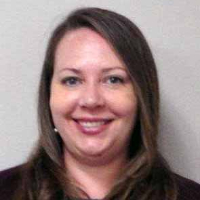

Rebekah Wolff
LPC
Wisconsin - 8 yrs exp




















What Narrative Therapy Is and the Principles Behind It
Narrative Therapy is an approach that looks at the narratives you create about yourself and your experiences. Rather than assuming a fixed problem within a person, this approach treats problems as stories that have developed over time. You and your therapist work together to unpack those stories, identify influences that shaped them, and explore alternative ways of understanding events and relationships. The aim is not to erase difficult experiences but to give you more authorship over how those experiences shape your life going forward.
Core principles include externalizing issues so that the problem is seen as separate from the person, locating unique outcomes when the problem did not dominate, and mapping the influence of broader social, cultural, and relational forces on your story. Therapists trained in this approach focus on careful listening, reflective questioning, and collaborative meaning-making. The method is flexible and can be integrated with other therapeutic skills depending on your goals and the clinician's training.
How Narrative Therapy Is Used by Therapists in Wisconsin
In Wisconsin, Narrative Therapy is used across urban and rural settings. Clinicians in Milwaukee and Madison may offer a mix of in-person and online sessions to accommodate busy schedules, while practitioners in smaller communities often tailor sessions to local needs and cultural contexts. Wisconsin therapists bring Narrative Therapy into work with individuals, couples, families, and groups, adjusting language and techniques to fit different ages and backgrounds.
Because Narrative Therapy emphasizes the social context of problems, therapists in Wisconsin often consider regional influences - such as community ties, work environments, or family dynamics - when helping you reframe your story. Therapists with training in Narrative Therapy also tend to pay attention to cultural identity, gender, race, and socioeconomic factors that shape how stories develop and are told. That attention can make the approach particularly useful if you want to explore how external factors have contributed to the challenges you face.
Common Issues Narrative Therapy Is Used For
Therapists use Narrative Therapy for a wide range of concerns. People often seek it when they want to shift how they relate to persistent patterns such as anxiety, depression, relationship conflict, or repeated unhelpful behaviors. It is also used when identity questions arise - for example, in transitions like becoming a parent, changing careers, or exploring sexual or gender identity. Narrative Therapy can be applied to grief and loss, to the long-term impact of adverse experiences, and to situations where finding a new narrative helps restore agency and meaning.
Because the approach is conversational and exploratory, it can be adapted for adolescents, adults, and older adults. If your difficulties feel tied to a story you keep telling yourself - such as believing you are defined by a single failure or a recurring pattern - Narrative Therapy can offer a different perspective and practical pathways for change.
What a Typical Narrative Therapy Session Looks Like Online
If you choose online sessions, a Narrative Therapy meeting usually begins with an open conversation about the concerns you bring. Your therapist will ask questions designed to help separate the person you are from the problem you are experiencing. Instead of labeling you by a diagnosis, they will explore how the problem shows up in your life, when it started, and the context in which it has gained power.
Online sessions often involve collaborative meaning-making. Your therapist may invite you to reflect on moments that contradict the problem narrative - the times when you acted in ways that do not align with what the problem claims about you. Sessions can include mapping exercises where you chart influences and relationships, letter-writing or narrative documents you create between sessions, and experiments in shifting behaviors. Many people find that the flexibility of online work allows them to integrate reflections into daily life more readily, since you can schedule sessions without travel and continue exploring themes in ways that fit your routine.
Who Is a Good Candidate for Narrative Therapy
You might be a strong candidate for Narrative Therapy if you are curious about how the stories you tell influence your feelings and actions, and if you want to work collaboratively to rewrite those narratives. The approach suits people who prefer reflective talk-based therapy and who appreciate a focus on context and meaning rather than a strictly symptom-focused model. If you want to address relational patterns, identity questions, or the role of societal and cultural narratives in your life, Narrative Therapy can offer useful tools.
It is also a good fit when you are looking for a respectful, non-blaming approach. If you have experienced stigma or have concerns about being defined by a single problem, Narrative Therapy's emphasis on separating the person from the issue can provide relief. However, if you need immediate crisis support or have urgent safety concerns, you should seek appropriate immediate care and discuss with a clinician how Narrative Therapy can fit into a larger plan of support.
How to Find the Right Narrative Therapy Therapist in Wisconsin
When searching for a Narrative Therapy therapist in Wisconsin, start by looking for clinicians who explicitly note training or experience in narrative approaches. Credentials can vary - you may find licensed clinical social workers, professional counselors, psychologists, and marriage and family therapists who use Narrative Therapy as part of their practice. Licensing ensures that a therapist meets state requirements for training and oversight, and many clinicians list their credentials on directory profiles.
Consider practical factors like location and format. If you prefer in-person sessions, check availability in cities such as Milwaukee, Madison, or Green Bay. If online sessions are more convenient, confirm that the therapist offers telehealth and that their practice includes work with clients in Wisconsin. Ask about session length, fees, and whether they offer sliding-scale options if cost is a concern. It is reasonable to request an initial consultation to get a sense of fit - Narrative Therapy relies heavily on the quality of the therapeutic relationship, so you should feel heard and respected as you explore your story.
Language and cultural competence matter as well. If your background shapes your story in particular ways, seek a therapist who demonstrates cultural awareness and an ability to integrate that context into the work. You can ask therapists how they approach cultural influences and whether they have experience working with clients who share similar identities or life experiences.
Making the Most of Narrative Therapy in Your Life
To get the most out of Narrative Therapy, come to sessions willing to reflect and experiment. You may be invited to notice times when the problem does not dominate, to record small changes between sessions, or to try different ways of speaking about an issue. Over time, many people find that shifting language shifts perspective - and that changing perspective influences choices and relationships.
Finding a Narrative Therapy therapist in Wisconsin is about both credentials and fit. Use the directory listings to compare approaches, read therapist profiles, and reach out with questions about how they work. Whether you live in a larger center like Milwaukee or Madison or in a smaller town, you can connect with a clinician who will listen to your story and help you explore new possibilities for the chapters ahead.
Next Steps
When you are ready, review the profiles on this page and reach out for an initial conversation. That first contact can help you determine whether a therapist's way of working aligns with your goals and whether their availability and fees meet your needs. Narrative Therapy is collaborative and adaptable - with the right clinician, you can begin to re-author your story in a way that better reflects your values and strengths.