Find a Panic Disorder and Panic Attacks Therapist in Wyoming
This page connects you with therapists in Wyoming who focus on panic disorder and panic attacks. Browse the listings below to compare clinicians offering in-person and online appointments across Cheyenne, Casper, Laramie and other communities.




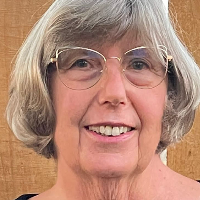
Phyllis Lambert
LPC
Wyoming - 24 yrs exp










How therapy for panic disorder and panic attacks works in Wyoming
When you begin therapy for panic disorder or panic attacks, the process usually starts with an assessment of your symptoms, patterns, and how these experiences affect your daily life. That initial conversation helps you and a clinician set priorities and choose an approach that fits your needs. Many therapists begin with techniques to manage immediate symptoms - such as grounding exercises, breathing strategies, and ways to interrupt intense fear - and then move into skill-building so you can handle future episodes more confidently.
Treatment often combines teaching coping skills with gradual work on the thoughts and situations that trigger panic. Cognitive-behavioral strategies help you notice and shift thinking patterns that make panic worse, while exposure-based methods allow you to face feared sensations or situations in a paced, supported way. Over time you and your therapist track progress and adjust frequency or focus. Sessions are commonly weekly at first and may become less frequent as you gain confidence and tools to manage symptoms between appointments.
Finding specialized help for panic disorder and panic attacks in Wyoming
Wyoming's wide geography means access to clinicians can look different depending on where you live. If you are near Cheyenne, Casper, Laramie or Gillette you may find several clinicians offering in-person care. If you are farther out, online appointments expand your options and let you connect with therapists who specialize in panic-related work without long drives. When searching, look for clinicians who list anxiety disorders, panic disorder, or panic attacks among their areas of focus, and who describe specific methods such as cognitive-behavioral therapy, exposure work, or skills training for anxiety.
You can also ask about relevant training or supervised experience with panic and panic-related symptoms. Some clinicians study anxiety-focused protocols, while others gain experience through years of treating clients with panic symptoms. It is reasonable to ask a potential therapist about their experience with panic treatment during an initial phone or video consultation. That conversation can clarify whether their approach matches what you want - for example whether they emphasize skill practice between sessions, how they handle acute episodes, and how they structure progress reviews.
What to expect from online therapy for panic disorder and panic attacks
Online therapy can be an effective option if you prefer to meet from home, have mobility or transportation constraints, or live in a rural area. In an online session you will work through many of the same techniques you would in person - learning calming strategies, practicing cognitive tools, and doing gradual exposure work. Your therapist may send worksheets, guided audio practices, or short exercises to use between sessions so you can build skills in everyday settings.
Before you start, ask about the platform the therapist uses, session length, and how they handle emergencies or intense episodes during a video appointment. It is important to have a plan for what to do if you feel overwhelmed between sessions, including local emergency contacts or a designated support person. You should also confirm whether your chosen clinician is licensed to provide therapy to residents in Wyoming, since licensing rules affect where clinicians can practice. Many Wyoming residents find online therapy especially useful for maintaining continuity of care when travel or changing schedules would otherwise interrupt treatment.
Common signs that someone in Wyoming might benefit from panic disorder and panic attacks therapy
If you experience sudden episodes of intense fear or discomfort that reach a peak within minutes, you may be experiencing panic attacks. These episodes are often accompanied by physical sensations such as a racing heart, sweating, trembling, shortness of breath, dizziness, or a sense of unreality. You might also spend a lot of time worrying about when the next attack will happen or change your daily routine to avoid places or situations where an attack has occurred. When these patterns reduce your ability to work, socialize, sleep, or enjoy activities, therapy can help.
People seek help for different reasons - maybe attacks have begun to occur more frequently, or you are avoiding public places, driving, or exercise for fear of a reaction. You might notice that stress, caffeine, or sleep disruption makes attacks more likely. Even if you are not sure whether your experiences meet a specific clinical label, a conversation with a therapist can help you understand what is happening and identify practical steps to reduce the frequency and impact of panic symptoms.
Tips for choosing the right therapist for this specialty in Wyoming
Choosing a therapist is a personal decision that depends on several factors. Start by identifying what matters most to you - clinical experience with panic and anxiety, a therapist's training in cognitive-behavioral or exposure-based therapies, flexible scheduling, or the option of meeting online. If you live near Cheyenne, Casper, Laramie or Gillette and prefer in-person sessions, search for clinicians whose offices are convenient to your commute. If you rely on telehealth, look for therapists who describe a structured online approach and who can explain how they manage safety and crisis planning remotely.
Prepare a few questions for an initial consultation, such as how they typically work with panic, what a typical session looks like, and how they measure progress. Ask about practical details too - session length, fees, cancellation policies, and whether they accept your insurance or offer a sliding scale. An initial meeting is a chance to see whether you feel heard and understood, and whether the therapist's style feels like a good match. Trust your judgment - a strong therapeutic connection often makes treatment more effective.
Local considerations and next steps
Living in Wyoming can mean longer travel times between towns, seasonal weather that affects mobility, and limited local specialty care in some areas. These realities make flexible options - evening appointments, hybrid care, and online work - especially valuable. If you live in a larger city like Cheyenne, Casper, or Laramie you may have a choice of in-person clinicians with specialized training; if you live further away you may rely more on telehealth. Wherever you are located, you can prioritize a therapist who demonstrates experience with panic-related approaches and who outlines a clear plan for your work together.
Taking the first step often means reaching out for an initial conversation. Use the listings above to compare clinicians, read provider profiles carefully, and book introductory calls to ask about their approach to panic disorder and panic attacks. Even a short consultation can give you a sense of the therapist's methods, how they handle intense moments, and whether their scheduling and fees match your needs. With the right match, therapy can help you build skills that reduce the disruption of panic symptoms and support a steadier daily routine.
Ready to begin?
If you are ready to explore options, start by reviewing clinician profiles and scheduling a consultation with someone whose approach resonates with you. Whether you prefer meeting in person in a nearby office or working online, Wyoming therapists who focus on panic disorder and panic attacks can offer practical tools, guidance, and a plan tailored to your life and goals.