Find a Personality Disorders Therapist in Wyoming
This page lists therapists in Wyoming who specialize in personality disorders, with profiles that include areas of focus, treatment approaches, and location. Browse the listings below to compare clinicians serving Cheyenne, Casper, Laramie and other Wyoming communities and find professionals whose approach fits your needs.

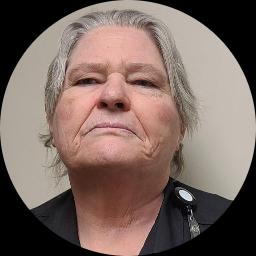

Phyllis Lambert
LPC
Wyoming - 24 yrs exp





How personality disorders therapy typically works for Wyoming residents
If you are seeking help for long-standing patterns of thinking, feeling, or relating that interfere with daily life, therapy for personality disorders begins with an assessment to clarify your history, current difficulties, and goals. That initial meeting often includes discussion of past treatment, relationships, functioning at work or school, and any safety concerns. From that assessment a clinician will work with you to develop a treatment plan that outlines priorities, expected frequency of sessions, and therapeutic methods that might be most helpful.
Treatment tends to be structured and may combine individual psychotherapy, skills training, and, when appropriate, collaboration with other providers such as psychiatrists or primary care clinicians. You can expect regular appointments, agreed upon goals, periodic review of progress, and adjustments to the approach over time. Because Wyoming has wide rural areas, many residents take advantage of a mix of in-person and remote care to maintain continuity of treatment across seasons and travel schedules.
Finding specialized help for personality disorders in Wyoming
Finding a therapist with specific experience in personality disorders can make a difference in the quality of care you receive. Look for clinicians who list experience with conditions such as borderline traits, avoidant patterns, narcissistic features, or personality-related difficulties. Training in evidence-informed approaches like dialectical behavior therapy, mentalization based therapy, schema therapy, or cognitive behavioral approaches indicates a focus on the kinds of emotion regulation, interpersonal, and cognitive skills that commonly help people with these concerns.
When you search for help in Wyoming, pay attention to whether a therapist has worked with adults, adolescents, or couples, since personality-related challenges can present differently across ages and relationships. You may also consider whether the therapist has experience with co-occurring issues such as mood disorders, trauma histories, or substance use, since these often interact with personality patterns. Many clinicians in Cheyenne, Casper, Laramie, and other communities list specialties and training on their profiles so you can compare and reach out for an initial conversation.
What to expect from online therapy for personality disorders
Online therapy is an increasingly common option in Wyoming and can be especially helpful if you live outside larger towns. When you choose remote sessions, you can expect most of the same steps as in-person care - an initial assessment, an agreed treatment plan, regular sessions, and between-session work. Technology allows for video meetings, text-based messaging, and sometimes online skills modules that support what you are learning in session.
Online therapy can increase access to clinicians who specialize in personality disorders even if they are based in different parts of the state. For example, you might work with a clinician who practices in Cheyenne while living near Gillette, or attend sessions from Laramie while traveling for work. It is important to discuss with your therapist how emergencies or crisis situations will be handled when you are connecting remotely, and to agree on local resources and steps to take if immediate help is needed.
Practical considerations for remote care
Before starting online therapy, confirm technical requirements and whether the clinician offers a trial session to get a sense of fit. Ask about typical session length, frequency, and whether the therapist assigns skills practice between sessions. Plan a quiet, comfortable environment for sessions that minimizes interruptions. If you prefer a hybrid model, ask whether in-person appointments are available for periodic check-ins or for times when you want face-to-face contact.
Common signs that someone in Wyoming might benefit from personality disorders therapy
People seek support for personality-related concerns for many reasons. You might notice recurring patterns of intense or unstable relationships, frequent shifts in mood, difficulty trusting or feeling close to others, or a persistent sense that your emotions are overwhelming. Impulsive behaviors that lead to regret, patterns of withdrawing from support when stressed, repeated conflicts at work or home, and trouble sticking to long-term plans are also signals that targeted therapy could help.
If you find that typical interventions have not produced lasting change, or if emotional reactions interfere with keeping employment or meaningful relationships, pursuing specialized therapy can offer new tools for managing patterns that have become entrenched. You do not need to wait for a crisis to reach out - early engagement can make therapy more effective and reduce the likelihood of escalating problems.
Tips for choosing the right therapist for this specialty in Wyoming
Choosing a therapist is both practical and personal. Start by reviewing profiles to identify clinicians who list personality disorders as a focus and who describe the therapeutic approaches they use. Look for descriptions of training in specific methods, years of experience, and populations they work with. Consider logistical factors such as whether they accept your insurance, offer sliding scale fees, and whether their location or online hours fit your schedule.
When you contact potential therapists, use that first conversation to ask how they conceptualize personality-related difficulties, what a typical course of therapy looks like, and how they involve clients in setting goals. Notice whether their communication style feels respectful and direct, and whether they offer clear plans for assessing progress. It is reasonable to ask about how they handle crises, collaborations with other providers, and what to expect in the early weeks of treatment.
Fit matters. You may find that a therapist with a more skills-based approach is a better match, or that you prefer someone who emphasizes long-term insight work. If the first clinician you try does not feel right, it is acceptable to continue the search until you find someone whose framework and personality align with your needs.
Local considerations and resources in Wyoming
Wyoming’s geography means that access can vary by region. Residents of Cheyenne, Casper, Laramie and Gillette often have more local options, while people in smaller towns may rely more on online care or periodic travel for in-person visits. University clinics and community behavioral health centers can be sources of specialized care and may offer training programs where clinicians receive additional supervision in personality-focused approaches.
Support outside of formal therapy also matters. Building a network of trusted friends, peer-led groups, and community activities can complement clinical work. If you are managing safety concerns, discuss a clear plan with your clinician that includes local emergency resources, a list of people to contact, and steps to take if you feel at risk between sessions. Taking practical steps such as setting appointment reminders, arranging transportation for in-person visits, and carving out time for skills practice can also help therapy have a greater impact.
Moving forward with care
Seeking treatment for personality-related difficulties is a sign of strength and commitment to change. Whether you connect with a therapist in Cheyenne, meet a clinician online from a rural area, or explore options in Casper or Laramie, the goal is to find a clinician and an approach that help you feel more effective in relationships and daily life. Use the listings above to compare specialties, read clinician descriptions, and reach out for an initial conversation. That first step can open the door to clearer goals, new skills, and a more manageable way of relating to yourself and others.