Find a Self-Harm Therapist in Wyoming
This page connects you with therapists across Wyoming who focus on self-harm support and recovery. Browse the listings below to compare approaches, credentials, and availability in your area.

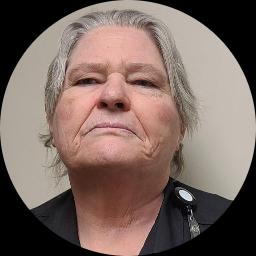





Phyllis Lambert
LPC
Wyoming - 24 yrs exp







How Self-Harm Therapy Works for Wyoming Residents
If you are considering therapy for self-harm, it can help to know what the process typically involves and how it adapts to where you live. Therapy aims to provide tools for managing urges, understanding triggers, and building alternatives to self-harm. In Wyoming, clinicians often combine evidence-informed approaches with an awareness of the rural and community context - time in sessions may include learning coping skills, exploring emotional patterns, and developing a plan for moments of crisis. You and your therapist will set goals together and track progress over weeks and months, adjusting methods as your needs change.
The pace and format of therapy can vary. Some people prefer weekly sessions at first and then move to less frequent check-ins. Others find short-term intensive work helpful during a crisis. Across settings from Cheyenne to Casper and Laramie, clinicians aim to create a respectful, nonjudgmental environment where you can speak about hard topics without feeling rushed. If transportation or distance is a concern, many therapists offer remote options that let you connect from home or another place that feels comfortable.
Finding Specialized Help for Self-Harm in Wyoming
Locating a therapist who has experience with self-harm means looking beyond general listings and reading profiles to understand training and approach. Search for clinicians who describe specific work with self-injury, suicidal thoughts, or emotional regulation. Certifications in evidence-based methods such as dialectical behavior therapy or cognitive behavioral approaches can indicate expertise, but practical experience and a collaborative style matter just as much. When you review profiles, pay attention to how therapists describe their work with crisis planning, safety planning, and coordination with other supports when those are needed.
Geography plays a role in how you access care. If you live in or near a city like Cheyenne, Casper, or Laramie, you may have more in-person options and easier access to related services such as psychiatric consultation or community programs. If you are in a more remote part of Wyoming, online appointments may expand your choices. When contacting therapists, ask about their experience working with people in similar living situations and whether they collaborate with local hospitals, schools, or community providers when extra support is needed.
What to Expect from Online Therapy for Self-Harm
Online therapy can be an effective way to get consistent support, especially if local in-person options are limited. If you choose remote sessions, you should expect an initial intake where you and the therapist assess immediate needs and create a plan for safety and follow-up. Sessions often mirror in-person visits in length and structure - check-ins, skill-building exercises, and review of coping strategies. Many therapists will provide worksheets, skill lists, and homework to practice between sessions. You should also discuss communication expectations - how to reach the therapist about urgent concerns and what constitutes an emergency requiring local crisis resources.
Privacy and the logistics of where you attend teletherapy are important. Pick a quiet, comfortable environment where you can speak openly and be sure you have a reliable internet connection or phone line. If you have limited bandwidth or privacy at home, some community centers or local clinics in larger towns may offer spaces where you can take an appointment. Ask the therapist about their approach to emergencies and whether they have experience coordinating with local emergency services in Wyoming if you need immediate in-person help.
Common Signs Someone in Wyoming Might Benefit from Self-Harm Therapy
You may be wondering when self-harm becomes a concern that warrants professional support. People often seek help when urges to hurt oneself become more frequent, when self-injury interferes with daily life, or when it follows intense emotional episodes that feel overwhelming. Other common signs include secretive behavior around injuries, wearing clothing meant to hide marks even in warm weather, significant mood swings, withdrawal from friends and activities, and difficulty coping with stressors that previously felt manageable.
If you notice these signs in a loved one living nearby - whether they are in Cheyenne, Casper, or a smaller community - it can help to approach them with compassion and curiosity rather than judgment. Encouraging someone to explore therapy can be framed around support and safety rather than blame. If you are experiencing these signs yourself, reaching out to a therapist can provide immediate strategies to reduce risk and build healthier coping skills.
Tips for Choosing the Right Therapist for This Specialty in Wyoming
Choosing a therapist is a personal process. Start by reading profiles carefully to find clinicians who explicitly list self-harm or non-suicidal self-injury among their specialties. Look for language that emphasizes collaborative planning, skills-based interventions, and crisis planning. You can contact a few therapists to ask brief questions about their approach, availability, and experience working with people in similar life circumstances.
Consider practical factors such as whether the therapist offers evening or weekend appointments, whether they take your insurance or offer sliding-scale fees, and whether they provide in-person, online, or hybrid services. If you are a student, parent, or part of another specific community, ask about experience with your age group or cultural background. When you schedule an initial session, pay attention to how comfortable you feel talking with the clinician and whether they listen to your goals. It is normal to try more than one therapist before finding the right fit.
Navigating Emergency and Local Resources
Therapy is one important part of care, but there are times when immediate in-person help is needed. Make a plan with your therapist for who to contact if you are in crisis. Know the locations of emergency departments and crisis services in major centers near you - if you are in Cheyenne or Casper, hospitals and community mental health programs can provide urgent assessment. In rural areas, your therapist can coordinate with local emergency responders or community supports to ensure you get prompt attention. Keep a list of trusted contacts and local numbers handy so you can act quickly if a situation escalates.
Taking the Next Step
Reaching out for help is a strong step toward managing self-harm urges and improving your wellbeing. Use the listings above to review therapist profiles, read about each clinician's approach, and reach out with questions. You do not need to manage this alone - there are therapists across Wyoming who can work with you to build skills, create safety plans, and support a path toward healthier coping. Whether you prefer in-person sessions in a nearby city or online appointments from your home, the right clinician can help you develop a plan suited to your life and goals.
When you are ready, contact a therapist to schedule an initial conversation and learn more about how they work. Small steps - asking questions, booking one session, or discussing options with a trusted person - can lead to meaningful change over time.