Find an Autism Therapist
This page highlights clinicians who focus on autism spectrum differences and related developmental needs. Review profiles below to compare approaches, credentials, and availability.
Browse the listings to find therapists whose experience and methods align with the support you are seeking.










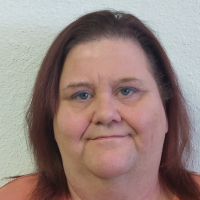

Dr. Colleen Downes
LCSW
New York - 35 yrs exp












Understanding autism and how it commonly affects people
Autism refers to a range of neurodevelopmental differences that shape how a person communicates, processes sensory information, interacts socially, and experiences the world. You may encounter language such as social communication differences, repetitive interests, or sensory sensitivities when learning about autism. For some people, these traits show up early in childhood; for others, they may become more apparent later when social or work demands increase. The ways autism appears vary widely from person to person - some individuals rely on few words while others use language fluently but find interpreting social cues difficult. Strengths often accompany challenges, and many people on the spectrum demonstrate deep focus, creative problem solving, and keen attention to detail.
Signs that someone might benefit from therapy for autism
If you are exploring whether therapy could help, pay attention to recurring challenges that affect daily life. You might notice persistent difficulty with back-and-forth conversation, trouble understanding nonverbal signals like facial expressions, or heightened anxiety in social situations. Sensory differences - such as strong reactions to lights, sounds, textures, or smells - can lead to avoidance or distress in environments that others find ordinary. Repetitive behaviors or insistence on routines can interfere with flexibility at home, school, or work. Parents and caregivers often seek support when strategies that once worked no longer do, or when managing behaviors becomes exhausting. Adults sometimes look for therapy after recognizing that communication or workplace challenges limit opportunities or relationships. If the difficulties you observe are persistent and affect functioning, a therapist experienced with autism can offer targeted strategies and support.
What to expect in autism-focused therapy sessions
When you begin working with a clinician who specializes in autism, the first sessions usually involve a careful assessment of strengths, challenges, and priorities. You can expect a collaborative conversation about goals - whether improving social communication, reducing sensory-related distress, managing emotion regulation, or supporting transitions like school or employment changes. Therapists often gather information from multiple sources, such as caregivers, teachers, or you directly, to build a clear picture of everyday functioning. Therapy plans are individualized - what works for one person may be irrelevant for another - and may include direct skill-building, caregiver coaching, environmental adjustments, and measurable short-term objectives so you can track progress.
Sessions may be structured with clear routines and predictable activities to reduce anxiety and increase learning. You will likely work on practical skills that can be practiced in daily life, such as conversation starters, ways to manage sensory overload, or strategies to cope with changes in routine. Family members, partners, or support persons are often invited to participate because consistent strategies across settings tend to produce better outcomes. Over time, the therapist will review what is working and adjust methods to better match your evolving needs.
Common therapeutic approaches used for autism
Several evidence-informed approaches are commonly used in autism-focused therapy, and clinicians frequently combine elements to fit an individual's profile. Behavioral approaches emphasize learning and reinforcement to increase useful skills and reduce behaviors that interfere with daily life. These methods often break skills into small steps and use frequent practice and feedback. Speech and language strategies support communication development, focusing on expressive language, comprehension, and pragmatic language - the rules of social conversation. Occupational therapy can be helpful when sensory needs, motor skills, or daily living activities present barriers to independence, using sensory strategies and task-focused practice to increase comfort and function.
Other approaches adapt cognitive-behavioral techniques to address anxiety, rigid thinking, or mood-related concerns in people on the spectrum. These adaptations account for differences in social understanding and sensory experiences so that techniques such as exposure or cognitive restructuring are accessible and effective. Developmental and relationship-based models focus on building interactional skills through shared activities and responsive support from caregivers. Social skills interventions often integrate role-play, structured practice, and real-world application to help with initiating and maintaining conversations, reading social cues, and navigating group situations. A thoughtful therapist will explain how each approach fits your goals and how progress will be measured.
How online therapy works for autism
Online therapy offers flexible options for many elements of autism care, particularly assessments, caregiver coaching, social skills practice, and ongoing psychotherapy. When you choose a virtual session, you will typically meet the therapist via video from a location that feels comfortable to you. Many clinicians use video to observe communication patterns, coach caregivers during natural routines, and guide role-play for social skills. For caregivers, remote coaching can be especially valuable because strategies can be practiced in the home environment with real-time feedback.
Teletherapy also expands access to specialists who may not be available locally, allowing you to find clinicians with specific experience or training that match your needs. That said, some services - for example, hands-on occupational therapy focused on sensory integration or certain formal diagnostic assessments - may require in-person evaluation or treatment. When you start, discuss with the clinician which elements of care are well suited to remote work and which would be better done in person. Make sure your setup supports good audio and video, and plan for short breaks if sessions feel intense. Many people find a hybrid model effective - combining online skill work and coaching with periodic in-person visits when needed.
Tips for choosing the right therapist for autism
When selecting a therapist, consider both credentials and practical fit. Look for professionals with experience working with autistic children, teens, or adults depending on the age you are seeking help for, and ask about specific training relevant to the goals you have in mind. Inquire how they tailor interventions, how they measure progress, and how caregivers or support persons are involved. You should feel comfortable asking about their experience with remote work if you plan to use online sessions, and whether they collaborate with schools or other local providers.
Compatibility matters. A therapist’s communication style, pace, and approach should feel approachable and respectful to you and to the person receiving services. It is reasonable to request an initial consultation to get a sense of how they work and whether their methods align with your values. Discuss practical considerations like availability, insurance or payment options, languages offered, and expected session length. Also ask about how they handle transitions in care if you or the person you support need a different level of service later on. Trust your observations - if a clinician listens, explains options clearly, and shows flexibility in adapting strategies to real life, those are strong indicators of a good match.
Moving forward
Finding the right autism-focused therapist can open pathways to clearer communication, greater participation in daily activities, and improved coping with sensory or social demands. You do not need to navigate this alone - use the therapist profiles on this page to learn about experience, approaches, and availability, and consider reaching out to schedule an introductory conversation. With a collaborative approach, you can develop practical strategies and supports that reflect your goals and strengths.
Find Autism Therapists by State
Alabama
16 therapists
Alaska
5 therapists
Arizona
28 therapists
Arkansas
14 therapists
Australia
93 therapists
California
164 therapists
Colorado
33 therapists
Connecticut
12 therapists
Delaware
4 therapists
Florida
170 therapists
Georgia
47 therapists
Hawaii
11 therapists
Idaho
19 therapists
Illinois
70 therapists
Indiana
30 therapists
Iowa
9 therapists
Kansas
18 therapists
Kentucky
24 therapists
Louisiana
39 therapists
Maine
9 therapists
Maryland
26 therapists
Massachusetts
32 therapists
Michigan
85 therapists
Minnesota
44 therapists
Mississippi
17 therapists
Missouri
63 therapists
Montana
17 therapists
Nebraska
9 therapists
Nevada
9 therapists
New Hampshire
10 therapists
New Jersey
39 therapists
New Mexico
8 therapists
New York
77 therapists
North Carolina
62 therapists
North Dakota
5 therapists
Ohio
26 therapists
Oklahoma
32 therapists
Oregon
15 therapists
Pennsylvania
67 therapists
Rhode Island
2 therapists
South Carolina
31 therapists
South Dakota
7 therapists
Tennessee
27 therapists
Texas
154 therapists
United Kingdom
1209 therapists
Utah
23 therapists
Vermont
1 therapist
Virginia
26 therapists
Washington
24 therapists
West Virginia
6 therapists
Wisconsin
44 therapists
Wyoming
6 therapists