Find an Addictions Therapist in California
On this page you will find profiles of licensed addictions therapists who work with adults, teens, and families across California. Use the listings below to compare specialties, locations, and approaches so you can find a clinician who meets your needs.












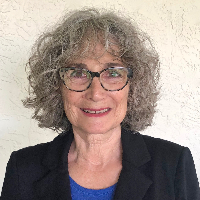
Therese Schmoll
LMFT
California - 30 yrs exp











How addictions therapy works for California residents
If you are considering addictions therapy in California, the process often begins with an initial assessment to understand your history, current challenges, and treatment goals. During this first conversation a therapist will ask about patterns of use, triggers, physical or mental health concerns, and any previous treatment experiences. From there you and the clinician can develop a plan that may include individual therapy, group work, family sessions, coordination with medical providers, and practical support such as referrals to community programs. Treatment approaches are tailored - some people benefit from short-term, skills-focused work while others engage in longer-term therapy to address underlying issues that contribute to substance or behavioral addictions.
Typical therapies and supports
In California you will find clinicians who use evidence-informed approaches that focus on building motivation, changing behavior, and improving coping skills. Cognitive behavioral strategies help you identify patterns that maintain addictive behaviors and develop alternatives. Motivational approaches concentrate on helping you resolve mixed feelings about change and strengthen commitment. Some therapists offer relapse prevention planning and skills training to manage high-risk situations. Where appropriate you may work alongside a medical provider to explore medication-assisted options, and many treatment plans include peer support or group programs to provide community and accountability.
Finding specialized help for addictions in California
Because California is large and diverse, you can look for therapists who specialize in the particular challenges you face. If you are navigating co-occurring mental health concerns, search for clinicians with experience in dual diagnosis. If trauma is a factor in your substance use, seek trauma-informed practitioners. You can also find specialists who work with specific populations - adolescents, older adults, veterans, people who identify as LGBTQ, or individuals from particular cultural or language communities. In major metro areas such as Los Angeles and San Francisco there tends to be a broader range of specialist providers, while smaller cities and rural regions often rely on clinicians who provide broader range services and may coordinate with county programs or regional treatment centers.
Where to look and what to prioritize
When searching, prioritize licensed credentials and relevant experience. In California common licenses include marriage and family therapists, clinical social workers, licensed professional clinical counselors, and psychologists. You should also consider whether you prefer a therapist who integrates medical perspectives, works closely with addiction medicine providers, or focuses on talk therapy alone. Language access and cultural responsiveness are important as well - therapists who understand your background and can communicate in your preferred language will likely make it easier for you to engage in treatment.
What to expect from online therapy for addictions
Online therapy has become a widely used option across California, offering flexibility if you live in an area with fewer in-person providers or if your schedule makes regular travel difficult. When you choose virtual care you can expect sessions by video, phone, or messaging depending on what the therapist offers. Many clinicians structure online sessions similarly to in-person appointments, with an initial assessment followed by regular sessions, homework or skills practice, and check-ins about progress. You should ask about how technology is used, how appointments are scheduled, and what to do in case of crisis or medical emergencies.
Benefits and limitations of telehealth
Telehealth can expand access to specialized clinicians who may be based in Los Angeles, San Diego, San Jose, or San Francisco while you remain in another part of the state. It can make it easier to maintain continuity if you move or travel within California. At the same time, some people prefer in-person group programs or require medically supervised detoxification that cannot be delivered virtually. If you are seeking medication-assisted interventions, you may need occasional in-person visits with a prescribing clinician. Before starting, confirm that your therapist is licensed to provide services in California and ask how they coordinate with local medical and crisis resources if needed.
Common signs that someone in California might benefit from addictions therapy
You might consider reaching out for help if substance use or a behavioral habit is interfering with your daily life, relationships, work, or school. Changes you may notice include increased difficulty controlling use, attempts to cut back without success, using substances to cope with stress or emotions, or experiencing anxiety, sleep problems, or mood shifts related to use. You may also see strained family relationships, financial or legal problems, or neglect of responsibilities. Even if problems are still early or episodic, speaking with a specialist can help you understand risk factors and develop strategies to prevent escalation.
When others are concerned
If a family member, partner, or employer has raised concerns, that can be an important motivator to seek an assessment. Therapy is a place to explore what is happening without judgment and to learn practical ways to change patterns. If you live in a large city such as Los Angeles or San Diego you will likely find family-focused programs and support services that can help loved ones engage constructively. In smaller communities it may be useful to look for clinicians who have strong referral networks and experience coordinating care with community resources.
Tips for choosing the right therapist for addictions in California
Start by clarifying what you want from treatment - do you need brief help to manage an immediate problem, or are you looking for long-term therapeutic work to address deeper issues? Once you know that, look for a therapist with relevant training and experience. Ask about their approach to addiction - whether they emphasize motivational strategies, cognitive behavioral work, family involvement, or harm reduction - and how they measure progress. It can help to inquire about practical matters such as fee structure, whether they accept your insurance, sliding scale options, and whether they offer evening or weekend appointments if that fits your schedule.
Making the first contact and evaluating fit
When you contact a clinician, listen for how they respond to your concerns and whether they describe a clear treatment plan. A good match is one where you feel heard and understood, where goals are concrete, and where the therapist can explain how sessions will help you move toward those goals. If you are seeking in-person care, check whether they practice near your neighborhood in San Jose, Sacramento, or another city so travel time is reasonable. If you choose telehealth, ask how they handle scheduling, documentation, and coordination with local providers.
Local context and next steps
California offers a wide range of treatment options, from private therapists in urban centers to community clinics and county-funded services. If you are unsure where to start, consider speaking with a primary care clinician, a local health agency, or a licensed therapist who can guide you to appropriate resources. Whatever route you take, seeking help is a positive step - early engagement can shorten the time you spend struggling alone and open up a broader range of supports. Use the listings above to compare therapist profiles, read about specialties and modalities, and reach out to those who seem to match your needs so you can begin the process of recovery and improved well-being.