Find an Attachment Issues Therapist in California
This page helps you explore therapists in California who focus on attachment issues, with options for in-person and online care. Browse the listings below to compare specialties, therapeutic approaches, and locations to find a clinician who meets your needs.





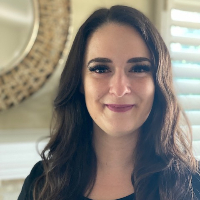
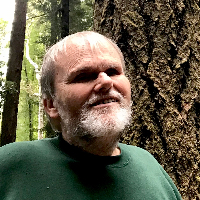





Therese Schmoll
LMFT
California - 30 yrs exp






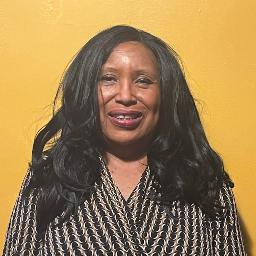



Claudia Smith
LCSW
California - 40 yrs exp


How attachment issues therapy works for California residents
If you are looking for support with attachment-related concerns in California, therapy typically starts with an assessment of patterns you experience in relationships and emotional regulation. Your therapist will ask about your childhood experiences, current relationships, and how you respond to stress or intimacy. Therapy for attachment issues aims to help you understand recurring patterns, develop alternative ways of relating, and build emotional skills that improve daily life.
In California, therapists working with attachment often combine traditional talk therapy with relational techniques that focus on present-moment interactions. Many clinicians trained in attachment-based approaches center sessions on exploring how your early attachments shape expectations and behavior now. This work may include structured interventions that help you practice new responses to triggers and strengthen your capacity for trust and closeness over time.
Finding specialized help for attachment issues in California
When searching for a therapist in California, you can look for clinicians who list attachment theory, relational therapy, trauma-informed care, or family systems in their specialties. Licensed psychologists, marriage and family therapists, clinical social workers, and counselors may all offer effective attachment-focused treatments. If you live in a major urban area like Los Angeles or San Francisco, you will often find a wide range of specialists with different orientations. In smaller communities or inland regions, clinicians may combine attachment work with trauma therapies or interpersonal modalities to meet local needs.
Many Californians also consider the practicalities of location and scheduling. If you prefer in-person sessions, search for therapists near your neighborhood or near transit hubs in cities such as San Diego or San Jose. If commuting is a concern, online therapy expands your options across the state and allows you to connect with specialists who might practice in a different city or region.
What to expect from online therapy for attachment issues
Online therapy has become a common option across California and can be a strong fit for attachment-focused work. You can expect sessions that mirror in-person treatment in structure and content - a typical session includes check-ins, discussion of relationship patterns, and practice of new relational strategies. Therapists use video sessions to observe nonverbal cues, and many adapt exercises to the virtual format so you can work on emotional regulation skills and communication techniques in real time.
One benefit of online therapy is access to specialists who may not be available locally. For example, if you live in a coastal town but want a therapist trained in a particular attachment model who practices in San Francisco or Los Angeles, online sessions let you work together without relocation. Online work also makes it easier to maintain continuity of care if you travel or move within California. Be sure to check a clinician's licensure and practice policies to confirm they are authorized to provide care in your state if you are connecting across city lines.
Common signs you might benefit from attachment issues therapy
You might seek help for attachment issues if you find yourself repeating the same relationship patterns despite wanting different outcomes. This can show up as persistent fear of abandonment, difficulty trusting partners, or a tendency to push others away when you feel vulnerable. Some people notice swings between clinging and emotional withdrawal, or chronic anxiety around closeness that interferes with relationships and overall well-being.
Other signs include feeling stuck in relationships that feel unsatisfying, experiencing intense jealousy or suspicion without clear cause, or having trouble forming lasting friendships. Parenting challenges can also reveal attachment concerns - you might worry that your early experiences affect how you connect with your children. In professional or social settings you may notice difficulty collaborating, fear of criticism, or repeated misunderstandings that stem from emotional expectations rather than factual problems.
Practical tips for choosing the right therapist in California
Begin by identifying what matters most to you - training in attachment theory, experience with couples or family work, a clinician who integrates trauma-informed methods, or availability for evening appointments. If you live in Los Angeles or San Diego, consider whether you prefer a therapist who practices near your workplace or home to make attendance easier. In San Francisco and other dense areas, you may focus on finding a therapist whose approach feels culturally and contextually aligned with your values.
When you review profiles, look for clear descriptions of a therapist's approach, typical goals for attachment work, and any modalities they use such as emotion-focused therapy or mentalization-based therapy. It is reasonable to request an initial consultation to ask about their experience with attachment concerns and how they structure treatment. Use that first conversation to assess whether you feel heard and whether their communication style fits how you like to work.
Consider logistics too - session length, fees, insurance participation, and cancellation policies all influence whether a therapist is a sustainable match. If cost is a barrier, some clinicians offer sliding scale fees or reduced-rate options. You can also explore community clinics and university training centers that provide supervised treatment at lower cost. If location is limiting, online therapy can broaden your options across California while letting you connect with professionals who specialize in attachment issues.
Navigating therapy across California's regions and communities
California's diversity means that your experience of therapy may vary by region. Urban centers like Los Angeles and San Francisco tend to offer large provider networks and specialized clinics, while inland and rural areas may have fewer specialists but clinicians who bring broad experience in related areas such as trauma or family therapy. If cultural background, language, or identity are important to your care, search for therapists who explicitly note multilingual services or experience with clients from similar communities.
For people who move between cities for work or family, continuity of care is a realistic option when you select a therapist who offers online sessions. That continuity can be especially helpful as attachment work often requires time to build and practice new relational habits. If you are supporting a family member seeking help, you might find family or couples therapists in Sacramento or San Jose who work with both individuals and their partners to address attachment dynamics within relationships.
Getting started with therapy in California
Taking the first step can feel challenging, but many people find relief and new ways of relating after beginning attachment-focused therapy. Start by reviewing therapist profiles, noting approaches that resonate, and scheduling an initial consultation to ask about how they would work with your specific concerns. As you begin sessions, look for gradual changes in awareness, communication, and emotional response. Over time, therapy can help you build relationships that feel more responsive and stable, and develop skills that support healthier connections across your life.
If you are ready to explore attachment-focused care, use the listings above to compare clinicians, learn about their approaches, and reach out to schedule a consultation. Whether you seek support in person or online, California offers many pathways to find a therapist who can help you work through attachment challenges and build stronger relationships.