Find a Bipolar Therapist in California
This page features therapists in California who specialize in bipolar disorder, with clinicians practicing in Los Angeles, San Francisco, San Diego, and other communities across the state. Browse the listings below to review profiles, therapy approaches, and contact options to find a good match.







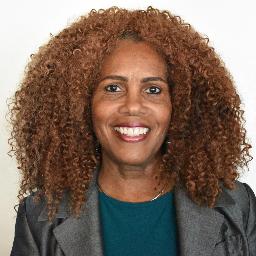
Therese Schmoll
LMFT
California - 30 yrs exp







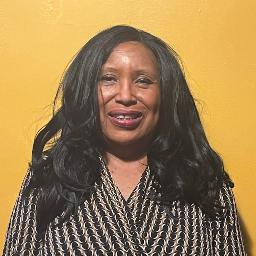




Claudia Smith
LCSW
California - 40 yrs exp



How bipolar therapy typically works for California residents
When you seek therapy for bipolar-related concerns in California, care usually centers on developing consistent routines, building coping skills, and understanding mood patterns. Therapy is commonly delivered in regular sessions - weekly or biweekly - and focuses on practical strategies that you can apply between meetings. Many clinicians combine structured evidence-informed approaches with supportive work to help you manage mood swings, regulate sleep and activity patterns, and strengthen relationships that may be affected by mood fluctuation. For people who are also working with a prescribing clinician, therapy complements medication management by addressing daily functioning, stressors, and relapse prevention without attempting to replace medical guidance.
Finding specialized help for bipolar in California
California offers a wide range of clinicians who list bipolar disorder as a specialty, from therapists in downtown Los Angeles to practitioners in suburban communities north of San Francisco. You can begin by narrowing options based on location, language, and the clinician's stated training in bipolar-focused therapies. Licensed professionals may hold credentials such as Licensed Clinical Social Worker, Licensed Marriage and Family Therapist, Licensed Professional Clinical Counselor, psychologist, or psychiatrist - each title reflects different training and services. It is helpful to look for clinicians who describe experience with mood disorders, structured therapies for mood regulation, or collaborative care with prescribers when medication is part of the plan.
Local considerations
Where you live in California can shape access and style of care. Urban centers like Los Angeles and San Francisco tend to have larger networks of specialists and clinicians with experience in diverse therapy models. In San Diego, you may find strong offerings from community clinics and private practices that focus on family-centered approaches. If you are in a more rural area or a smaller town, there may be fewer local specialists, but many clinicians offer telehealth options that broaden access. Consider whether you prefer in-person visits for a local relationship or a telehealth arrangement that gives you more choice.
What to expect from online therapy for bipolar
Online therapy has become a common way to receive consistent support across California. If you choose telehealth, expect sessions over video or phone that mirror the structure of in-person meetings - assessment, collaborative goal setting, skill-building, and ongoing monitoring. You should discuss how clinicians handle emergencies, how to reach them between sessions if needed, and whether they coordinate with other providers involved in your care. Telehealth can be particularly useful if you live far from specialists, have mobility limitations, or need a clinician who speaks your preferred language. Keep in mind that clinicians must follow state regulations about furnishing care across state lines, so choosing a therapist licensed to practice in California ensures legal compliance and local resources when needed.
Practical aspects of online care
Before starting online therapy, confirm the technology requirements and privacy practices the clinician uses to protect your information. Ask about session length, cancellation policies, and any paperwork you will complete ahead of the first appointment. Some clinicians offer a free initial phone call to answer questions about approach and fit, which can help you decide whether to proceed. If you are balancing work or caregiving responsibilities, telehealth can make scheduling easier and reduce commute time while still providing structured therapeutic support.
Common signs someone in California might benefit from bipolar therapy
You might consider reaching out to a therapist if you notice marked changes in your mood, energy, or daily functioning that affect work, relationships, or safety. This can include periods of unusually elevated mood with increased activity, risk-taking, or racing thoughts, as well as stretches of low mood characterized by fatigue, withdrawal, or difficulty concentrating. Shifts in sleep patterns and appetite, sudden changes in goals or responsibilities, and cycles of intense irritability can also indicate that targeted support would be helpful. In California's varied environments - from high-pressure urban settings to quieter suburban life - stressors can amplify mood symptoms, and therapy can help you develop strategies that fit your lifestyle and community demands.
Tips for choosing the right therapist for bipolar care in California
Start by clarifying what matters most to you in a therapist - whether it is an approach with strong structure, experience integrating family members, bilingual services, or familiarity with specific life contexts like college transitions or workplace stress. Read clinician profiles to learn about training and stated specialties, and consider scheduling consultations to get a sense of their style. Ask potential therapists about their experience with mood disorders, what therapy approaches they use, and how they measure progress. In larger cities such as Los Angeles and San Francisco, you may find clinicians who specialize in seasonal patterns, cultural considerations, or working with high-stress professions. In San Diego, clinicians may often emphasize community resources and family engagement. If cost is a concern, inquire about sliding scale options, community mental health programs, or therapists who accept your insurance. It is also appropriate to ask how a clinician coordinates care with other providers when medication or medical input is part of the treatment plan.
Choosing for fit and accessibility
Therapeutic fit is a key predictor of helpful outcomes. You should feel comfortable discussing sensitive topics and confident that the therapist listens and offers clear, collaborative strategies. Practical accessibility matters as well - consider whether you prefer evening or weekend availability, whether you need sessions in Spanish or another language, and whether clinic hours align with your schedule. If you live in a region with limited local options, telehealth can connect you with clinicians across the state who offer the expertise you seek.
Working with your therapist over time
Successful therapy often begins with an initial assessment to understand your history, current challenges, and priorities. You and your therapist will set goals and explore techniques to help you stabilize rhythms, communicate needs, and reduce the impact of mood shifts on daily life. Sessions may involve tracking mood patterns, experimenting with behavioral strategies, practicing problem-solving, and involving family members when appropriate. Over time you will evaluate progress and adjust plans as life circumstances change - starting a new job, moving between cities, or managing transitions in relationships. Your therapist should be clear about expected session frequency and how progress will be reviewed.
Next steps in your search
Use the directory listings on this page to compare clinicians by location, specialties, languages, and therapy methods. If you live in or near major centers like Los Angeles, San Francisco, or San Diego, you may have a wider range of in-person and specialized options. Reach out to a few clinicians for brief consultations to determine fit, and choose someone who communicates a collaborative plan that feels practical and respectful of your needs. Getting started with an initial appointment can help you evaluate whether the therapist's approach aligns with your goals and whether adjustments - such as frequency of sessions or a different modality - might be helpful as work progresses.
Finding the right therapist is a process that balances clinical expertise with personal fit. As you explore options across California, prioritize clear communication, accessible scheduling, and a care plan that addresses both immediate concerns and long-term stability. When you find a clinician whose approach resonates, you will be better positioned to work toward routines and strategies that support day-to-day functioning and overall well-being.