Find a Blended Family Issues Therapist in California
This page lists therapists in California who specialize in blended family issues, including stepfamily dynamics, co-parenting transitions, and relationship challenges. Explore profiles below to compare specialties, approaches, and availability across the state.







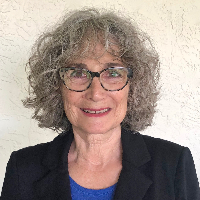
Therese Schmoll
LMFT
California - 30 yrs exp














How blended family issues therapy typically works for California residents
When you seek help for blended family concerns in California, therapy usually begins with an intake conversation to map out the specific challenges facing your household. That first step gathers information about family structure, parenting arrangements, recent transitions, and what each person hopes to change. Sessions may be individual, couple-based, or involve multiple family members together depending on your goals and the therapist's approach. A therapist will work with you to set goals that are realistic for your situation - whether that means improving communication between stepparents and stepchildren, clarifying household roles, or reducing conflict around parenting decisions.
California therapists draw on a range of clinical methods that can include emotion-focused strategies, systems-oriented approaches that look at patterns between family members, and skills-based work to improve problem solving and co-parenting. Because families in California often have complex schedules, blended households across cities like Los Angeles, San Francisco, and San Diego may combine in-person and online sessions over time. Your therapist can tailor the format and pace of work to fit your needs while helping you navigate transitions and set boundaries that protect relationships and children's wellbeing.
Finding specialized help for blended family issues in California
Finding a therapist who understands blended family dynamics starts with looking for professionals who list stepfamily work, co-parenting, or family systems therapy as part of their expertise. In urban centers such as Los Angeles and San Francisco you may find clinicians with experience in diverse family constellations and multicultural family concerns, while in smaller communities practitioners may offer broader family therapy skills that adapt to your situation. Consider therapists who have training in working with children and adolescents if that is an important part of your family picture. You can also look for clinicians who describe experience with divorce transitions, custody-related stress, or stepparent integration, since these areas often overlap with blended family needs.
Licensing matters because California maintains standards for mental health practice. When you review profiles, check whether the clinician is licensed to practice in California and whether they indicate experience with the particular age ranges and issues present in your home. Many therapists list their theoretical orientation and typical client populations, which helps you identify someone whose approach matches your priorities. If language, culture, or faith traditions are important, you can narrow searches to practitioners who mention multilingual services or culturally responsive therapy.
Practical steps to locate a good match
Begin by reading provider profiles to learn about training, areas of focus, and logistical details such as office location, hours, and whether they offer evening appointments. If you live in or near Los Angeles, San Diego, or San Francisco, proximity can be helpful for in-person work, but online options can broaden your choices across the state. Reach out with an initial message or phone call to ask brief questions about experience with blended families, typical session structure, and what a first few sessions might aim to accomplish. Many clinicians offer a short consultation that lets you get a feel for fit before committing to ongoing sessions.
What to expect from online therapy for blended family issues
Online therapy has become a practical option across California, especially for families juggling school, work, and busy commutes. When you choose online sessions, expect the same foundational steps as in-person care - intake, goal setting, and ongoing review - delivered via video or phone. You may find that remote sessions allow for greater scheduling flexibility and make it easier to include separated co-parents who live in different areas. Therapists often adapt interventions to the virtual setting, using screen-shared resources, worksheets, and guided conversations aimed at improving communication and conflict resolution.
There are considerations that matter with online work. You will want a quiet, comfortable environment for sessions and a reliable internet connection. If children are involved, talk with your therapist about how they will include them in sessions and what level of parental presence is recommended. Online therapy is not a replacement for legal or emergency services, so your therapist should provide clear guidance about when to seek additional supports. For families in rural parts of California, remote work can increase access to clinicians who specialize in blended family issues even if they are based in a major city.
Common signs that you or a family member might benefit from blended family therapy
You might consider therapy if recurring arguments about parenting roles, stepfamily boundaries, or household expectations are affecting day-to-day functioning. Persistent tension between stepparents and stepchildren, difficulties establishing routines after a new marriage or partnership, and frequent misunderstandings about discipline or responsibility are common catalysts for seeking support. If children are showing changes in behavior, mood, or school performance after a family transition, therapy can help identify patterns and create strategies to support adjustment. Additionally, if co-parents struggle to present a united front or communication has broken down between households, a therapist can assist in creating clearer agreements and more effective communication methods.
Another sign that therapy could help is when one or more family members feel stuck - for example, when attempts to solve problems lead to repeated cycles of blame or withdrawal. Therapy offers tools to shift those cycles by improving how family members express needs and negotiate differences. You do not need a crisis to benefit from this work; many families seek therapy proactively to strengthen relationships during transitions and prevent small conflicts from becoming entrenched.
Tips for choosing the right therapist for blended family issues in California
When choosing a therapist you want someone who listens to the specifics of your family and proposes clear, practical steps you can take between sessions. Pay attention to how a clinician describes progress - good therapists outline short-term goals as well as longer-term aims, and they check in regularly about whether sessions are meeting your expectations. Consider whether you prefer a therapist who takes a directive approach with structured skills training or one who focuses on exploring emotional dynamics and meaning. If your family includes children or teens, ask about the therapist's experience engaging younger clients and working collaboratively with schools or pediatric providers when needed.
Insurance, fees, and scheduling are real considerations in a state as large as California. Ask about typical session length, cancellation policies, and whether the therapist offers a sliding scale or referrals to lower-cost community resources. If you rely on insurance, confirm in advance that the provider accepts your plan or can provide documentation for reimbursement. Trust your instincts after an initial consultation - a strong therapeutic match often depends on feeling heard and respected, even if you try a few clinicians before finding the right fit. Whether you are in San Jose, Sacramento, or along the coast, finding a therapist who understands your family's cultural background and life rhythms can make the work more relevant and effective over time.
Moving forward with blended family therapy
Starting therapy is a step toward clearer expectations and healthier relationships in your blended household. You can begin by identifying one or two immediate concerns to address in the first few sessions, such as improving co-parent communication or creating consistent routines for children. From there, your therapist can help you build skills, create agreements, and monitor progress so that changes are sustainable. With the right support, many families in California find that therapy reduces tension, improves parenting coordination, and helps everyone feel more connected to the household's new reality.
If you are ready to explore options, use the listings above to compare clinicians, read practitioner descriptions, and reach out for a consultation. Having a specialist who understands blended family patterns can make the path through transitions clearer and more manageable for everyone involved.