Find a Communication Problems Therapist in California
Discover California therapists who focus on communication problems, offering approaches for couples, families, and individuals across the state. Browse the listings below to compare specialties, locations, and appointment types.




Menachem Stulberger
LMFT
California - 12 yrs exp



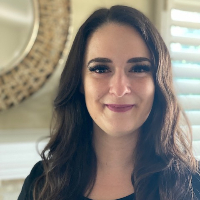







Therese Schmoll
LMFT
California - 30 yrs exp








How communication problems therapy works for California residents
If you are seeking help with communication concerns in California, therapy usually begins with an assessment of the patterns that lead to misunderstandings and conflict. Your therapist will ask questions about the relationships involved - whether that is with a partner, family member, colleague, or friend - and will explore how emotions, timing, and expectations affect conversations. Sessions often include guided conversations where you practice new ways of speaking and listening, role plays to try out different responses, and reflective work to understand your own triggers and needs. Over time you will likely practice techniques between sessions so new habits can take hold in everyday life.
Finding specialized help for communication problems in California
When you search for a therapist in California, you can look for clinicians who list communication, couples work, family systems, or conflict resolution among their specialties. Therapists in urban centers may offer a wider range of modalities and schedules, while clinicians in suburban or rural areas may provide a more focused set of approaches. In cities like Los Angeles and San Francisco you may find clinicians with training in culturally specific communication styles or experience with diverse family structures. In San Diego and San Jose therapists often offer bilingual services and a mix of in-person and remote options. Sacramento has clinicians with strong ties to community services, which can be helpful if you want therapy that connects to local resources.
What to expect from online therapy for communication problems
Online therapy offers a flexible way to work on communication skills from home or another comfortable environment. You will typically schedule video or phone sessions at regular intervals - weekly or biweekly - and use those sessions for practice, feedback, and planning. Many therapists use screen-sharing, digital handouts, and structured worksheets to support skill development. If you live in California, online options can expand your choices beyond your immediate neighborhood and allow you to work with a clinician who has specific expertise in the type of communication issues you face. Before beginning, confirm the therapist's licensing and whether they are authorized to provide services to clients in your area of California. You should also discuss practical matters like session length, payment methods, cancellation policies, and how the therapist handles follow-up between appointments.
Common signs you might benefit from communication problems therapy
You might consider seeking a therapist if conversations frequently escalate into arguments, if you or the other person often withdraws to avoid talking, or if important topics never seem to get resolved. You may notice repeated misunderstandings where intentions are misread, frequent feelings of frustration or loneliness in relationships, or difficulty expressing needs without feeling guilty. Workplace interactions can also reveal communication patterns that affect your professional life - repeated feedback that is hard to give or receive, or team meetings where you feel unheard. If you find that apologies do not change recurring patterns, or if attempts to talk lead to blame rather than understanding, therapy can provide structured space to practice different approaches and to learn tools for clearer expression and active listening.
Practical advice for choosing the right therapist in California
Start by identifying what matters most to you - experience with couples therapy, family systems, cultural competence, or a specific therapeutic approach. You can review therapist profiles to see their education, licensure, and areas of focus. Many clinicians note if they work with certain age groups, relationship types, or languages, which can help you narrow options. Consider whether in-person sessions are important or if you prefer the convenience of online appointments; living in a major city such as Los Angeles or San Francisco may give you more in-person choices, while online therapy can be a consistent option statewide. It's also useful to ask about the therapist's approach to communication work - whether they emphasize skill-building, emotional processing, structured exercises, or a combination of methods - and how they measure progress.
Questions to ask during an initial contact
When you reach out to a therapist, you might ask about their experience with communication concerns similar to yours and how they typically structure sessions. Ask about expected timeframes, what homework or practice between sessions looks like, and how they involve other people in the process if you are seeking couples or family work. If language or cultural background is important for your comfort, inquire about bilingual services or cultural familiarity. You can also request a brief phone consultation to get a sense of rapport before scheduling a first session. Trust and fit are important - if you do not feel heard during initial conversations, it is reasonable to continue searching until you find a better match.
Working with cultural and regional differences in California
California's diversity means communication norms vary widely across communities. In some areas, directness is valued and expected, while in others, indirect or context-based communication is the norm. A therapist with awareness of cultural context can help you interpret patterns in how you and others express emotion and need. If you live near immigrant communities or in multilingual households, you may encounter mixed expectations about eye contact, tone, or the role of extended family in decision making. Therapists in San Jose, with its large tech and immigrant communities, may offer guidance on navigating cross-cultural workplace communication, while those in Sacramento may be experienced in family dynamics tied to long-standing local networks. Bringing these cultural elements into therapy helps create strategies that are realistic and respectful of your values.
Next steps and making therapy practical
Once you identify a few potential therapists, verify logistics like insurance acceptance, sliding scale options if cost is a concern, and scheduling availability. Many California therapists publish whether they offer evening or weekend sessions, which can be helpful if you balance work and family. If you plan to use online therapy, check the platform requirements and whether the therapist provides resources you can access between sessions to practice new skills. Starting therapy is a step-by-step process - choosing a clinician you feel comfortable with and setting realistic goals for communication improvement will help the work feel manageable and meaningful.
Finding the right therapist in California can open new possibilities for how you relate to others. Whether you live in Los Angeles, San Francisco, San Diego, San Jose, Sacramento, or elsewhere in the state, you can find clinicians who specialize in the kinds of communication challenges you face. Use your initial consultations to assess fit and clarity of approach, and allow time for new skills to develop in real conversations. With patience and practice, you can build more constructive patterns that support healthier connections in your daily life.