Find a Control Issues Therapist in California
This page lists therapists in California who focus on control issues, with filters to narrow by approach, location, and specialties. Browse the listings below to find practitioners serving Los Angeles, San Francisco, San Diego and other communities across the state.


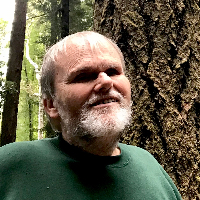




Marlo Lewis
LCSW
California - 8 yrs exp

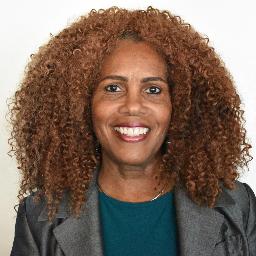






Willie Denard
LCSW
California - 8 yrs exp









How control issues therapy typically works for California residents
When you begin therapy for control issues in California, the process often starts with an intake conversation designed to clarify what feels most difficult and what you hope to change. That first session is a chance for the clinician to learn about patterns in your thinking and behavior, the relationships affected by control dynamics, and any stressors tied to work, family, or life transitions. Therapy moves at a pace that fits your needs - some people prefer a focused short-term approach to learn specific skills, while others choose longer-term work to explore deeper patterns and the experiences that shaped them.
Therapists use a range of evidence-informed approaches to address control issues. Cognitive-behavioral strategies help you notice and shift rigid thoughts and behaviors, while acceptance-based methods can teach new ways to tolerate uncertainty and reduce compulsive efforts to control outcomes. Other therapists draw on relational or psychodynamic perspectives to explore how early family dynamics influence current control efforts. In California, you will find clinicians who combine these methods to meet the needs of individuals, couples, and families.
Finding specialized help for control issues in California
Searching for a therapist who specializes in control issues means looking beyond listings to find someone whose training and clinical focus align with your goals. In larger urban centers such as Los Angeles, San Francisco, and San Diego, you may find clinicians who advertise specific expertise in control-related concerns, perfectionism, anxiety-driven behaviors, or relationship control patterns. In smaller communities the options may be fewer, but many therapists offer remote sessions that expand access across the state.
When evaluating providers, consider whether you prefer a clinician with training in particular modalities such as cognitive-behavioral therapy, dialectical behavior therapy, or trauma-informed care. You may also want a therapist who has experience working with particular populations - for example, people in high-pressure jobs, partners navigating controlling dynamics, or adults who grew up in highly organized households. Reviewing therapist bios for language about control, boundaries, and interpersonal patterns can signal a good fit before you reach out.
Licensure and practical considerations
California maintains professional licensing standards for counselors, social workers, and psychologists. When you look for a therapist, confirm licensure and any stated specialties. Practical details such as session length, fee structure, and whether the clinician accepts insurance or offers a sliding scale will influence accessibility. In major cities you may find a wider variety of fee options and evening availability to fit busy schedules. If affordability is a concern, ask therapists about reduced-cost options or community mental health resources in your area.
What to expect from online therapy for control issues
Online therapy has become a common choice for Californians seeking help with control-related concerns. Virtual sessions can make it easier to access specialists who are not located within your immediate area, and they allow for continuity of care when travel or work commitments make in-person visits difficult. You can expect online therapy to mirror many aspects of in-person treatment - regular session times, goal-setting, and therapeutic exercises between sessions - though some therapists adapt methods to fit the screen, using digital worksheets, mindfulness recordings, or emailed reflections.
Before starting teletherapy, clarify logistics with a prospective clinician. Confirm the technology used, how cancellations are handled, and what to do if a session is interrupted. Discuss privacy expectations and how personal information is stored so you feel comfortable sharing sensitive material. Many Californians find that virtual work reduces barriers and helps integrate therapeutic practice into daily life, especially when balancing long commutes or caregiving responsibilities.
Common signs that someone in California might benefit from control issues therapy
You might consider seeking help if controlling behaviors are creating tension in relationships, limiting your ability to delegate at work, or causing persistent stress and exhaustion. Control can show up as an intense need to plan and predict every outcome, difficulty tolerating uncertainty, micromanaging others, or a habit of rigid routines that interfere with spontaneity. If attempts to control situations are accompanied by irritability, isolation, or a cycle of disappointment when outcomes fall short of expectations, therapy can provide tools to shift those patterns.
Control issues often appear alongside anxiety, perfectionism, or trauma history. If you notice that worry about potential mistakes leads to avoidance, excessive checking, or strained partnerships, targeted therapeutic work can help you develop flexibility and healthier ways of relating to uncertainty. In regions like the Bay Area or Los Angeles where high-achievement cultures are common, these patterns may feel normalized, making it useful to find a clinician who understands cultural and workplace pressures in context.
Tips for choosing the right therapist for this specialty in California
Choosing a therapist is a personal decision and it is reasonable to try more than one clinician before finding a good fit. Start by reading profiles with an eye toward stated experience with control issues, anxiety, or interpersonal dynamics. Look for descriptions that resonate with your experience, and consider reaching out with a brief message describing your goals to see how the therapist responds. Many providers offer an initial phone consultation so you can ask about their approach, typical session structure, and what progress might look like.
Consider practical match points as well. Decide whether you prefer in-person sessions in a local office or the convenience of online appointments. Think about cultural, linguistic, or identity-based factors that matter to you - some therapists specialize in working with LGBTQ+ clients, immigrant communities, or people from specific cultural backgrounds, and those factors can shape the therapeutic relationship in helpful ways. For those in San Jose or Sacramento, where commutes and regional differences matter, online options can connect you with clinicians whose expertise might otherwise be out of reach.
Trust your instincts about rapport. During the first few sessions notice whether the therapist communicates with curiosity, offers concrete strategies alongside exploration, and helps you set achievable goals. Effective work on control issues often combines skill-building - such as emotion regulation and distress tolerance - with opportunities to examine the beliefs and experiences that support controlling behaviors. A therapist who balances empathy with structure can help you practice new ways of responding to uncertainty.
Next steps and making therapy work for you
Once you select a therapist, establish clear goals and discuss what success will look like. Whether your aim is to reduce relational conflict, build comfort with unpredictability, or ease the burden of constant planning, concrete objectives help guide session work. Be prepared to try exercises between meetings, such as exposure to small uncertainties or experiments in delegating tasks, and to reflect on what shifts and what remains challenging.
Therapy is a collaborative process and progressing through control issues often involves trial and learning. Celebrate small gains and share setbacks openly with your clinician so adjustments can be made. Over time many people find that life becomes less dominated by the need to manage every outcome and more open to connection, creativity, and resilience. If you are ready to begin, use the listings above to connect with a California clinician whose expertise and approach match your needs and schedule a consultation to start the next step.