Find a Depression Therapist in California
This page lists therapists who focus on depression in California, with options for in-person and online sessions. Use the filters and profiles below to compare approaches, specialties, and availability. Browse the listings to find clinicians who match your needs and location.




Menachem Stulberger
LMFT
California - 12 yrs exp















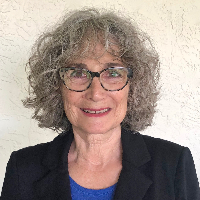
Therese Schmoll
LMFT
California - 30 yrs exp




How depression therapy works for California residents
If you are seeking help for depression in California, therapy typically begins with an initial assessment - often called an intake - where a clinician asks about your symptoms, history, and what you hope to change. From there you and the therapist will agree on treatment goals and a plan. That plan may include regular psychotherapy sessions, recommendations for lifestyle adjustments, coordination with your primary care provider, or referral to a prescribing clinician if medication evaluation is needed.
Therapists in California come from different license backgrounds such as licensed psychologists, licensed clinical social workers (LCSWs), licensed marriage and family therapists (LMFTs), and licensed professional clinical counselors (LPCCs). Each brings a slightly different training emphasis, but all follow professional standards and state regulations. You can verify a clinician's license through the California Board of Behavioral Sciences or the state psychology board if you want to confirm credentials.
Finding specialized help for depression in California
Many therapists specialize in depression or particular approaches that are effective for depressive symptoms - for example cognitive behavioral therapy, behavioral activation, interpersonal therapy, or mindfulness-based approaches. If your experience of depression is linked to a particular life circumstance - such as bereavement, postpartum changes, workplace stress, or trauma - look for clinicians who list those specialties on their profile. You may also prefer therapists with cultural competence in working with specific communities, or those who offer therapy in your preferred language.
Where you live in California can shape the practical options available to you. Large urban areas like Los Angeles, San Francisco, and San Diego often have a larger pool of providers, including specialists and clinicians who work with diverse populations. In smaller cities or rural counties you might find fewer in-person options, which makes online therapy a helpful way to expand your choices. Regardless of location, many therapists now combine in-person and online sessions to offer flexible care.
What to expect from online therapy for depression
Online therapy has become a common way to receive treatment across California. When you choose online sessions, you will typically meet by video or phone at scheduled times. Expect the same structure as in-person care - assessment, goal-setting, and regular sessions - though some therapists adapt techniques to work best over video. Before starting, check the therapist's technical requirements, available platforms, session length and frequency, and their policies for cancellations and emergencies.
It is a good idea to plan to do online therapy from a private space where you can speak openly and without interruption. You should also consider practical aspects like reliable internet, a device with a camera and microphone if using video, and a comfortable chair. If you have accessibility needs - for example closed captioning or extra session notes - ask the therapist whether they can accommodate them.
Common signs that you might benefit from depression therapy
You might consider reaching out to a therapist if depressive feelings are affecting your daily life, relationships, or ability to work. Common experiences people bring to therapy include persistent low mood, loss of interest or pleasure in activities you used to enjoy, changes in sleep or appetite, low energy, difficulty concentrating, and feelings of worthlessness or hopelessness. If you notice these patterns are lasting longer than a few weeks or are getting worse, seeking evaluation can help you understand options and next steps.
- Persistent sadness or irritability, and loss of interest in regular activities
- Significant changes in sleep, appetite, or energy
- Difficulty concentrating, withdrawing from friends or family, or trouble managing responsibilities
Therapy can be a place to explore what may be contributing to these symptoms - such as stress, relationships, medical issues, or past experiences - and to learn strategies for coping and making changes that reduce symptom burden. If you are concerned about safety or thoughts of harming yourself, contact emergency services or a crisis resource in your area right away.
Tips for choosing the right therapist for depression in California
Choosing a therapist is a personal process. Start by clarifying what matters most to you - such as a clinician's therapeutic approach, experience with depression, cultural background, language abilities, availability for evening or weekend sessions, or whether they accept your insurance. Read therapist profiles to learn about their training and specialties, and use listing tools to narrow by location or telehealth availability.
When you contact a therapist, consider asking a few practical questions during an initial call or message: What approaches do you use for depression? How long do sessions typically last? Do you have experience treating people with concerns similar to mine? What are your fees, and do you offer a sliding scale or work with insurance? Many therapists offer a brief phone consultation so you can get a sense of whether you'd feel comfortable working together.
If you live in an area like Los Angeles or San Francisco you may have access to clinicians with niche specialties - for example perinatal mood disorders or depression related to chronic illness. In San Diego and other regions you might find therapists who combine therapy with community-based resources or who specialize in working with military families. If being seen in-person matters to you, check commute time and parking or transit options. If online sessions are acceptable, that widens your choices across the state and can make it easier to find the right fit.
Practical considerations for scheduling, cost, and insurance
Therapy session length and frequency varies - many clinicians offer weekly 45 to 60 minute sessions as a starting point. Insurance coverage differs by plan, so check whether a clinician is in-network or whether they can provide a superbill you can submit for reimbursement. Therapists may offer sliding scale fees for people with financial need. If cost is a concern, ask about reduced-rate options, group therapy, or community mental health resources that may provide lower-cost services.
Scheduling can also influence your choice. Some therapists maintain evening or weekend hours to accommodate work schedules. Others offer more intensive formats - such as twice-weekly sessions or short-term structured programs - that can be helpful depending on your needs. If you travel frequently, ask whether the clinician provides flexible telehealth options and whether they can see you across state lines if you will be outside California for extended periods.
Next steps and staying engaged in care
Once you select a therapist, the early sessions are a chance to build rapport and set clear goals. Therapy is collaborative - you and your clinician should check in regularly about progress and adjust the plan as needed. If you do not feel the match is right after a few sessions it is reasonable to look for another provider; a good fit can make treatment more effective and comfortable.
Finding help for depression in California is a process, but there are many pathways to care. Whether you prefer in-person visits in your city or the flexibility of online sessions, you can use the listings below to identify clinicians with the right training, approach, and availability for your needs. Reach out when you are ready - taking that first step can connect you to resources and strategies that support recovery and daily functioning.