Find an Intimacy Issues Therapist in California
Explore therapists in California who specialize in intimacy issues, including clinicians who offer both online and in-person sessions. Browse the listings below to compare approaches, locations, and availability across the state.


Menachem Stulberger
LMFT
California - 12 yrs exp



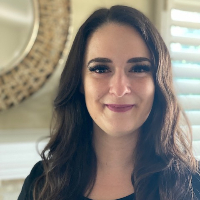





Therese Schmoll
LMFT
California - 30 yrs exp











How intimacy issues therapy works for California residents
If you decide to pursue therapy for intimacy issues in California, the process usually begins with an initial consultation to clarify goals and determine fit. That first session gives you a chance to describe the challenges you are facing - whether they involve emotional closeness, physical intimacy, mismatched desire, anxiety during sex, or difficulties after life changes - and to ask how the therapist typically works with similar concerns. Therapists who specialize in intimacy issues often combine talk-based approaches with skill-building exercises designed to strengthen communication, rebuild trust, and increase emotional and physical connection. You will work collaboratively with your clinician to set realistic, measurable goals and to choose techniques that feel right for your relationship or your situation as an individual.
Intake and ongoing care
The intake process typically includes a clinical interview and a review of your history related to relationships, sexual health, and emotional wellbeing. In California, many therapists also ask about cultural background and identity because these factors influence how intimacy is experienced and expressed. Once you begin regular sessions, your therapist will monitor progress and adjust the pace and methods to match your needs. Some people find brief, focused work meets their goals, while others prefer longer-term therapy to explore patterns that have developed over time.
Finding specialized help for intimacy issues in California
California’s large and diverse population means there are clinicians with a wide range of specializations and trainings. In urban centers like Los Angeles and San Francisco you are likely to find practitioners who have additional training in sex therapy, couples therapy, trauma-informed care, and working with LGBTQ+ clients. In other parts of the state you may find clinicians who combine expertise in sexuality with experience in relationship counseling or family therapy. You can narrow your search by reading provider profiles, which often list areas of focus, therapeutic approach, languages spoken, and whether the therapist has training in specific methods such as sensate focus, emotion-focused therapy, cognitive behavioral approaches for sexual concerns, or mindfulness-based strategies for sexual anxiety.
Local considerations
Where you live in California can affect access and options. Large metro areas usually offer more specialists and flexible hours, while smaller communities may offer fewer choices but often a strong sense of continuity and local knowledge. If you live in Los Angeles, you may find dozens of practitioners who focus on desire differences and performance anxiety. In San Francisco, clinicians with experience in queer and trans intimacy issues are often available. In San Diego, therapists who incorporate medical collaboration or work closely with local sexual health clinics may be easier to find. Wherever you live, looking for a therapist whose experience aligns with your identity and concerns will help you get better results.
What to expect from online therapy for intimacy issues
Online therapy has become a common option for Californians seeking help with intimacy. When you choose video or phone sessions, you gain access to professionals across the state, which can be especially helpful if you live outside major cities or need a therapist with specific expertise. In an online setting you will follow many of the same steps as in-person care: intake, goal setting, and skill practice. Your therapist may assign exercises to do between sessions, such as communication tasks with your partner, journaling about desire or boundaries, or at-home practices to reduce anxiety and increase connection.
Practical notes about online work
To get the most from remote therapy, you should arrange a comfortable, interruption-free environment for sessions and talk with your clinician about how to manage sensitive exercises remotely. Some therapy techniques require physical proximity or clinical tools and may be adapted for online use, while others can be done effectively over video. If you live in California and plan to use online care across state lines, confirm that the therapist is licensed to practice in California. Clear communication about expectations, privacy considerations, and emergency plans helps online work feel manageable and effective.
Common signs you might benefit from intimacy issues therapy
You might consider seeking help if you notice persistent patterns that interfere with closeness or sexual satisfaction. These can include ongoing avoidance of sexual activity, repeated misunderstandings about boundaries, frequent arguments about desire or frequency, or a sense of disconnection that your usual efforts do not resolve. Anxiety related to performance, body image concerns that affect your sexual life, or recurring pain during sex are also common reasons people reach out for specialized support. Relationship transitions - such as a new partner, recovering from betrayal, postpartum changes, or navigating aging and health changes - can create new intimacy questions that benefit from therapeutic attention.
When the issue feels complex
Some intimacy issues are entwined with past trauma, medical conditions, or mental health concerns. If you find that emotional triggers, intrusive memories, or depressive symptoms are part of the picture, you may need a therapist who integrates trauma-informed care or coordinates with medical providers. In California, many therapists work alongside primary care or sexual health clinicians to create a comprehensive care plan, especially when physiological factors may play a role.
Tips for choosing the right therapist for intimacy issues in California
When choosing a therapist, think about both practical fit and clinical fit. Practical fit includes scheduling, whether the clinician offers online sessions, location for in-person visits, and whether they accept your payment method. Clinical fit is about training, approach, and lived experience. Read therapist profiles to learn about their work with intimacy concerns, whether they have specialized training in sex therapy or couples work, and whether they mention experience with identities or relationship structures similar to yours. It is reasonable to ask about their experience with specific concerns during an initial call or consultation.
First-session questions and your comfort level
You can prepare a few questions for your first appointment to gauge whether the therapist’s style aligns with your needs - for example, how they structure sessions, what kinds of homework they assign, and how they measure progress. Notice how they respond to your concerns and whether you feel heard and respected. It is normal to meet with more than one therapist before deciding who is the best fit. In cities such as Los Angeles, San Francisco, and San Diego you will often have the option to interview multiple clinicians without long waits.
Making the most of therapy in California
Once you begin work, be open about your goals and share feedback about what is or is not helping. Intimacy work can involve changing long-standing patterns, and progress sometimes comes in small steps. You and your therapist can track what feels different over time - better communication, less avoidance, more satisfying physical connection, or greater emotional safety. If you need referrals for additional support, such as medical assessment, couples retreats, or community resources in your area, ask your therapist for recommendations. The right combination of skilled support and your own commitment to the process often leads to meaningful change.
Finding a therapist who understands the specific ways intimacy is shaped by culture, life stage, and personal history can make a significant difference. Whether you live near the coast or inland, online options increase access to specialists and give you the flexibility to find a clinician who fits your needs. Take your time, ask questions, and choose a professional whose approach resonates with your goals so you can move toward more fulfilling connections.