Find a Jealousy Therapist in California
This page lists licensed clinicians and counselors who focus on jealousy and relationship trust concerns across California. Browse the therapists below to compare approaches, locations, and specialties to find a good match for your needs.






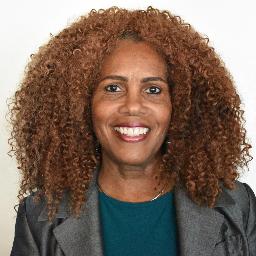
Therese Schmoll
LMFT
California - 30 yrs exp





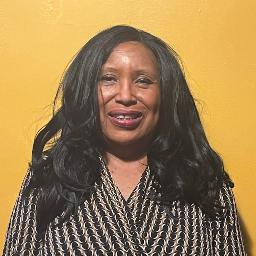



Claudia Smith
LCSW
California - 40 yrs exp








How jealousy therapy typically works for California residents
When you seek therapy for jealousy in California, you will generally begin with an intake session where a clinician asks about your history, relationship patterns, and current triggers. That initial conversation helps you and the therapist identify priorities - whether you are coping with jealousy in a romantic partnership, responding to jealousy in friendships, or noticing patterns that affect multiple relationships. Treatment plans often combine short-term goals with longer-term work on underlying beliefs about trust, self-worth, and attachment.
Therapists use a range of evidence-informed approaches, and your path will depend on the therapist's orientation and your personal preferences. You might work on practical skills to manage intense feelings in the moment, learn cognitive techniques to reframe unhelpful thoughts, or explore earlier experiences that shape how you relate to others. Sessions create a space to practice new responses and to safely test changes in how you communicate and set boundaries.
Therapeutic approaches commonly used
You will find that many clinicians offer cognitive-behavioral strategies to help you identify and modify thought patterns that amplify jealousy. Emotion-focused work helps you understand the emotions underneath jealousy, such as fear of abandonment or shame. Attachment-informed therapy looks at how early relationships influence current reactions and can be particularly helpful if you notice recurring jealousy across different partners. Some therapists integrate mindfulness and stress-management tools to help you stay grounded during emotionally charged moments. The combination of approaches aims to reduce distress while supporting healthier relationship behavior over time.
Finding specialized help for jealousy in California
California's large and diverse population means there are clinicians who specialize in many aspects of relationship work, from dating and couples therapy to individual counseling for relationship anxieties. When you search for a specialist, look for language that mentions jealousy, trust issues, or relationship insecurity. You may prefer therapists who indicate a focus on couples work if your primary concern arises in a romantic partnership, or an individual therapist with experience in attachment and self-esteem if the issue feels rooted in your own history.
Consider practical factors such as location and availability. If you live in a major metro area like Los Angeles or San Francisco you will typically have a wider selection of clinicians and specialties. In smaller cities and suburban areas, you can often access specialized clinicians through telehealth options. Think about whether you want an in-person setting, an online format, or a mix of both based on your comfort and schedule.
What to expect from online therapy for jealousy
Online therapy has become a common option for people dealing with jealousy because it increases access to specialists and can fit more easily into busy lives. In an online session you can expect the same core therapeutic work as in person - assessment, goal setting, practicing skills, and exploring underlying patterns. Many therapists use video conferencing for real-time interaction and may assign short exercises to do between sessions to reinforce progress.
When you choose online therapy you should check the clinician's experience with remote work, their approach to session structure, and how they handle privacy during virtual sessions. Online therapy can be particularly useful if you live far from major cities like San Diego or San Jose, or if your schedule makes regular travel difficult. If you anticipate needing emergency support at any point, discuss plans with your therapist so you both know how to manage crises safely.
Common signs you might benefit from jealousy therapy
You might consider therapy if jealousy is causing frequent arguments, making it hard to trust partners, or prompting patterns of checking phones and social accounts. If jealousy leads you to withdraw from friendships, avoids intimacy, or contributes to cycles of accusation and reconciliation, therapy can help you unpack what is driving those behaviors. You may also notice your own mood is affected - for example, persistent anxiety, loss of confidence, or difficulty concentrating - which can be useful to bring into sessions.
Other signs include difficulty setting boundaries, frequent comparing of yourself to others, or a pattern of intense reactions when a partner spends time with friends or coworkers. Even if jealousy feels justified in specific instances, therapy can help you respond in ways that reduce harm and improve communication. If you are in a new relationship and notice your jealousy is disproportionate to the situation, addressing it early can prevent lasting damage.
Choosing the right therapist for jealousy issues in California
When selecting a therapist, start by reading profiles to find clinicians who explicitly state experience with jealousy, relationship trust, or attachment issues. Pay attention to their therapeutic orientation - whether they emphasize cognitive-behavioral methods, emotion-focused work, or attachment-based approaches - and decide which style feels most aligned with your preferences. You may prefer a therapist who integrates skills-based work with deeper exploration, or someone who focuses primarily on communication strategies for couples.
Consider practical questions such as licensure, location, and availability. If you live in or near Sacramento, Los Angeles, or San Francisco you may find in-person options more readily, but telehealth expands choices across the state. Think about the therapist's language, cultural competence, and experience with issues that matter to you, such as LGBTQ+ relationships, cultural factors, or non-traditional relationship structures. Many therapists offer a short phone or video consultation - use that time to see whether you feel heard and whether their approach fits how you like to work.
Questions to ask during an initial consultation
During an initial consultation, you can ask how the therapist typically works with jealousy, whether they involve partners in sessions, and what a typical timeline might look like for progress. Ask about session frequency, homework or exercises between appointments, and how they measure change. You should feel comfortable discussing personal nature of sessions and how they handle sensitive disclosures. A good therapist will explain their methods in plain language and invite you to collaborate on goals.
Practical considerations for starting therapy in California
Think ahead about logistics such as insurance, sliding scale fees, and appointment times. If cost is a concern, inquire about reduced-fee options or clinicians who offer variable rates. Consider whether you want evening or weekend appointments if you are balancing work or family responsibilities. If you travel between cities such as San Diego and Los Angeles, ask about continuity of care when you are on the move and whether the therapist can accommodate remote sessions.
Beginning therapy for jealousy is a step toward clearer communication and healthier relationship patterns. Whether you are seeking support for a current relationship, trying to break long-standing cycles, or looking for tools to manage intense feelings, you can find experienced clinicians across California who focus on this work. Use the therapist profiles on this page to compare backgrounds and approaches, and reach out to schedule a consultation that feels right for you.