Find a Parenting Therapist in California
This page connects you with parenting therapists serving communities across California, from urban centers to suburban neighborhoods. Browse the therapist profiles below to compare approaches, specialties, and contact options to help find the right fit.




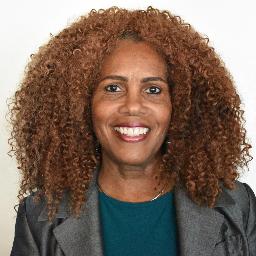
Menachem Stulberger
LMFT
California - 12 yrs exp






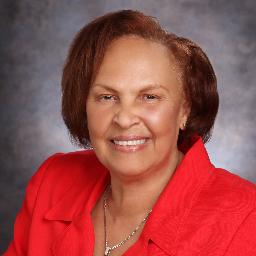
Therese Schmoll
LMFT
California - 30 yrs exp












How parenting therapy works for California residents
Parenting therapy is a form of professional support focused on the relationships, routines, and communication patterns that shape family life. In California, therapists trained in parenting issues combine evidence-based strategies, practical coaching, and emotional support to help families navigate everything from newborn care and sleep challenges to adolescent conflict and blended family transitions. When you begin, the therapist will typically ask about your family history, current stressors, and your goals. Sessions may involve individual parents, co-parents, or the whole family depending on the situation and what you hope to accomplish.
What a typical session looks like
A typical session starts with a check-in about recent events and any immediate concerns. You and the therapist will review strategies you may have tried, identify what worked and what did not, and plan small, achievable changes to try before the next meeting. Some sessions emphasize communication skills and role-play to practice new ways of speaking with children or with a partner, while others focus on behavior management techniques that are age-appropriate. Therapists often assign simple at-home exercises so you can test new approaches in everyday routines and report back on results in the next appointment.
Finding specialized help for parenting in California
California’s size and diversity mean many therapists focus on niches within parenting practice. You can find clinicians who specialize in newborn and postpartum issues, toddler behavior, school-age social challenges, teen mental health navigation, co-parenting after separation, and support for parents of children with neurodevelopmental differences. In major metropolitan areas like Los Angeles and San Francisco, there may be clinicians with additional training in culturally responsive parenting, multilingual services, and family systems work, while communities in San Diego or Sacramento often have providers who blend clinical skills with knowledge of local school systems and community resources. When searching, look for therapists who list specific parenting specialties that match your needs and who describe their approach in terms you find approachable.
Licensing and professional backgrounds
Therapists in California hold a variety of licenses and credentials, such as marriage and family therapy, clinical social work, or professional clinical counseling. These credentials indicate formal training, supervised experience, and state licensure that govern practice standards. When you review a profile, consider both the license and the clinician’s narrative about experience with parenting challenges. Many therapists also highlight ongoing training in parent coaching, infant mental health, and trauma-informed care, which can be especially helpful if your family’s situation involves transitions or past stressors.
What to expect from online parenting therapy
Online parenting therapy can be a practical option in California, where long distances and busy schedules sometimes make in-person appointments difficult. Virtual sessions often use video calls and can accommodate both individual parents and multiple participants on screen, making it easier for co-parents in different households to attend together. You can expect much of the same therapeutic work as in person - discussing patterns, practicing skills, and planning at-home experiments - but delivered through a digital interface. Therapists will usually give guidance on creating a focused environment for sessions, such as choosing a quiet room and minimizing interruptions, so the time is productive.
Benefits and practical considerations
Online therapy can make scheduling simpler and reduce travel time, which is useful for parents balancing work and childcare. It also allows access to clinicians who may live in other cities like San Jose or Sacramento but offer specialized experience you need. Keep in mind that not all therapeutic techniques translate perfectly to a screen; some in-person interventions involve observation and interaction that are easier in a clinical setting. Discuss with potential therapists how they adapt materials and activities for virtual work and what technology requirements are needed for a smooth session.
Common signs that someone in California might benefit from parenting therapy
You might consider parenting therapy when daily routines start to feel consistently overwhelming, discipline approaches are not producing the results you want, or communication with a child or co-parent becomes a frequent source of stress. Parenting therapy can be helpful if you notice persistent power struggles, escalating behavior problems, or when transitions like divorce, relocation, or a new sibling are proving hard to manage. It can also be valuable when parents feel isolated, unsure about development expectations, or worried about how to support a child through school or social challenges. Seeking support early can build skills that reduce tension and improve day-to-day functioning for the whole household.
Tips for choosing the right parenting therapist in California
Start by clarifying your priorities - whether you want a therapist who emphasizes behavioral strategies, family systems work, trauma-informed care, or support focused on a particular age group. Read profiles to find clinicians who describe experience with issues similar to yours and who explain their approach in plain language. Consider practical factors like availability, whether they offer evening or weekend appointments, and whether they provide online sessions. If you live in a larger city such as Los Angeles, San Francisco, or San Diego, you may have more immediate access to specialists, but therapists across California can often provide meaningful support whether you meet in person or online.
What to ask during an initial contact
When you reach out, ask about the therapist’s experience with parenting challenges like yours, how they typically structure sessions, and what kind of progress you might expect over time. It is appropriate to ask about theoretical orientation - for example, whether they use parent coaching, attachment-based approaches, or cognitive-behavioral techniques - and how they involve other family members. You may also want to inquire about fees, sliding scale options, and whether they coordinate with pediatricians or schools when appropriate. A short conversation or initial consultation can give you a sense of rapport, which is often one of the most important factors in successful work.
Taking the next step
Choosing to pursue parenting therapy is a step toward building more satisfying routines and relationships at home. Use the listings on this page to compare credentials, read about therapeutic styles, and reach out to clinicians who match your needs. Whether you are seeking help with co-parenting after separation, managing toddler behavior, or supporting a teenager through challenge, there are therapists across California prepared to work with you in ways that fit your family and schedule. If you are unsure where to start, consider scheduling a brief consultation with a provider in Los Angeles, San Francisco, San Diego, or another city near you to discuss goals and determine whether their approach feels like the right fit.