Find a Phobias Therapist in California
This page connects you with therapists who specialize in treating phobias across California, including clinicians offering in-person and remote sessions. Browse the listings below to compare approaches, credentials, and availability in your area.
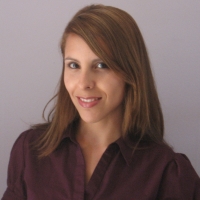

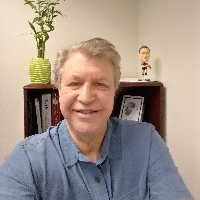



Therese Schmoll
LMFT
California - 30 yrs exp

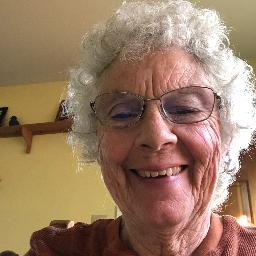


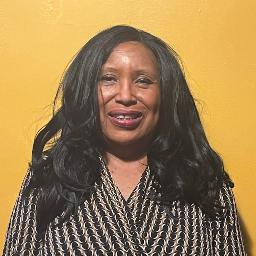


Claudia Smith
LCSW
California - 40 yrs exp









How phobias therapy works for California residents
If you are seeking help for a phobia in California you will typically begin with an assessment that explores how the fear affects your daily life, routines, work, and relationships. Therapists use that information to tailor a plan that fits your goals and circumstances. Because California includes dense urban centers and wide rural areas the practical form therapy takes can vary - some people meet with clinicians in person in cities like Los Angeles or San Francisco while others rely on remote sessions to access specialists who are not located nearby. Treatment often focuses on teaching you skills to reduce the intensity of panic and avoidance, and on gradually changing your relationship to the feared object or situation.
Common therapeutic approaches
Several therapeutic approaches are commonly used to address phobias. Cognitive behavioral therapy helps you identify and shift the thoughts that amplify fear while teaching practical coping strategies. Exposure-based techniques gradually and safely invite you to face the feared stimulus in a controlled way so that fear naturally decreases over time. Some therapists combine exposure with relaxation training and cognitive restructuring to reduce anxiety during exposure tasks. Other modalities such as acceptance-based approaches aim to change your response to fear so that it interferes less with daily life. When you explore options you can ask a therapist which combination of methods they use and why those methods suit your situation.
Finding specialized help for phobias in California
California’s population size and diversity mean you can often find clinicians with specialized training in anxiety disorders and phobias. Licensed psychologists, licensed clinical social workers, marriage and family therapists, and professional clinical counselors may all offer effective care. In larger metropolitan areas you may find clinicians who focus on specific kinds of phobias such as animal fears, blood-injection-injury phobia, situational fears like flying, or agoraphobia. Outside of major cities there are clinics and community mental health centers that provide services on a sliding scale, and many therapists maintain flexible schedules to accommodate commuters and shift workers.
Regional considerations
Where you live in California can shape your care options. In Los Angeles and San Francisco there tends to be a greater variety of specialists and languages offered, which can help if you prefer a clinician who shares your cultural background or speaks your primary language. San Diego and San Jose offer a mix of in-person clinics and private practices with clinicians experienced in exposure therapy. Sacramento often has a strong network of community resources and public health programs that connect you to local providers. If you live in a rural county you may rely more on remote sessions, but many urban-based therapists offer evening appointments or occasional in-person intensives that accommodate travel.
What to expect from online therapy for phobias
Online therapy can be especially convenient for phobia treatment because it gives you access to clinicians with particular expertise regardless of geography. You can expect sessions to follow the same clinical structure as in-person care: assessment, goal setting, skills training, and exposure work adapted to the virtual environment. Exposure exercises can often be staged practically over video, and therapists may guide you through imaginal exposure, in-session behavioral experiments, or carefully planned assignments you complete between sessions. If you and your therapist plan for any in-person exposure tasks they will discuss logistics and safety so you feel prepared.
When you choose online therapy think about the technical setup that will support the work. A private area in your home for sessions, reliable internet, and a device with a camera and microphone will help the process flow. You can ask prospective therapists how they structure virtual exposure work and how they handle emergencies or sudden increases in anxiety. Many therapists will also provide tools and worksheets that you can use between sessions to track progress and practice coping techniques.
Common signs you might benefit from phobias therapy
You may consider seeking therapy if fear or avoidance is limiting your activities or causing significant distress. If you consistently avoid certain places, animals, social situations, or everyday tasks because of intense fear you might find relief through targeted treatment. You may also notice physical symptoms such as rapid heartbeat, sweating, dizziness, or feelings of unreality when confronted with the feared object or situation. If these reactions interfere with work, travel, family life, or your sense of wellbeing therapy can offer practical strategies to reduce the burden of those symptoms and expand what you feel able to do.
Another sign is if you have tried self-help techniques without lasting improvement. When repeated attempts to control fear through avoidance or distraction keep you stuck, a therapist can help you try structured approaches that build tolerance and confidence step by step. Likewise, if fear is causing you to miss important events or opportunities - such as work interviews, social gatherings, or medical care - targeted therapy can help you address the specific behaviors that maintain avoidance.
Tips for choosing the right therapist for this specialty in California
Start by identifying clinicians who list anxiety disorders or phobias among their specialties and who have training in exposure-based or cognitive behavioral methods. When you review profiles look for clear descriptions of approach, credentials, and relevant experience rather than vague statements. It is reasonable to ask prospective therapists about their experience working with the specific type of phobia you have and about what a typical course of treatment might look like for you. You can also ask about session length, frequency, fees, and whether they offer sliding scale rates or work with your insurance plan.
When you speak to a therapist for an initial consultation pay attention to how they explain the therapeutic process and whether their plan aligns with your preferences and pace. Some people want a structured, skills-focused approach with homework between sessions while others prefer a more exploratory style that attends to emotions and meaning as well as behavior. In major cities such as Los Angeles or San Francisco you may have more choices and can afford to be selective; in smaller communities you might prioritize availability and a good rapport over a perfect theoretical match.
Practical considerations
Consider logistics like office location, parking or transit access if you prefer in-person sessions, and evening or weekend availability if you work atypical hours. If you are interested in remote work verify that the clinician is licensed to practice in California and ask how they handle documentation and follow-up. Trust your impressions about rapport - feeling understood and listened to is a strong predictor of good outcomes. If the first therapist you try does not feel like a fit it is appropriate to look for another clinician until you find someone who matches your needs.
Finally, be patient with progress. Phobia work often involves confronting fear gradually and measuring success in steps rather than overnight change. Many people notice reduced anxiety during everyday encounters and increased confidence over weeks to months. You can track small wins like reduced avoidance, shorter duration of anxiety episodes, or greater willingness to try exposure tasks.
Across California there are skilled clinicians ready to work with you on phobias whether you live in a bustling city, a suburban neighborhood, or a rural town. Use the listings above to review profiles, read therapist statements about their approach, and reach out for an initial conversation. Taking that first step can open a path toward greater ease in situations that once felt overwhelming.