Find a Self Esteem Therapist in California
This page lists therapists who focus on self esteem across California, including clinicians with a range of approaches and languages. Use the profiles below to review specialties, locations, and session formats and to find a clinician who fits your needs.




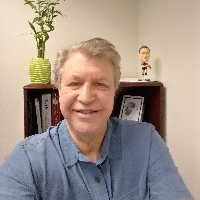
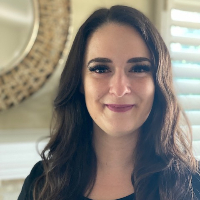
Menachem Stulberger
LMFT
California - 12 yrs exp




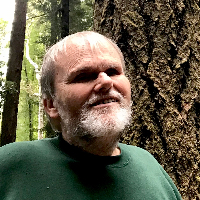






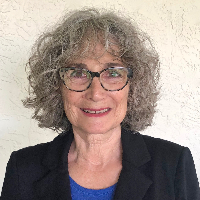
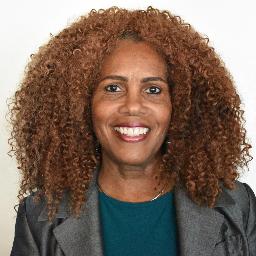
Therese Schmoll
LMFT
California - 30 yrs exp





How self esteem therapy works for California residents
If you decide to pursue self esteem therapy in California, you will likely encounter a collaborative process that centers on building a healthier sense of self. Therapists blend evidence-informed approaches such as cognitive behavioral techniques, acceptance-based strategies, narrative work, and interpersonal exploration to help you identify negative self-beliefs, understand their origins, and practice alternatives. Early sessions tend to focus on assessment and goal-setting so you and your clinician can agree on what strengthening self esteem means for you personally - whether that involves reducing self-criticism, improving assertiveness, or increasing comfort in social and work settings.
Many California therapists emphasize skill-building alongside exploration. You may work on recognizing unhelpful thought patterns, experimenting with new behaviors in everyday life, and reflecting on how past experiences shape your current self-view. Therapy is paced to fit your needs; some people prefer short-term work focused on specific skills, while others benefit from longer-term therapy that explores deeper personality patterns and relational dynamics.
Finding specialized help for self esteem in California
California’s mental health workforce includes a range of licensed professionals who can support self esteem concerns. You will encounter licensed psychologists, marriage and family therapists, clinical social workers, and professional clinical counselors who list self esteem as a specialty. When looking for a therapist, consider their training and areas of focus, and whether they have experience with populations that matter to you - for example teens, college students, parents, LGBTQ+ people, immigrants, or people from particular cultural backgrounds.
Because California is geographically and culturally diverse, your location can shape the type of help available. Coastal cities and metropolitan areas often offer clinicians with niche specializations and multiple language options, while smaller communities may emphasize generalist therapists or university-affiliated clinics. You can refine your search by checking profiles for mention of trauma-informed practice, work with mood-related challenges that affect self-worth, or methods like cognitive-behavioral therapy and narrative therapy that are commonly used for self esteem work.
What to expect from online therapy for self esteem
Online therapy has become a widely used option across California, offering flexibility if you live far from urban centers or have tight schedules. When you choose virtual sessions, you will typically connect via video, phone, or text-based messaging platforms, and many therapists offer a mix of formats to meet different needs. Virtual work can make it easier to practice assertiveness and communication skills in day-to-day life because you remain in your own environment and can apply what you learn immediately.
When starting online therapy, plan for a short intake to discuss goals, scheduling, and the platform you will use. Ask about what to do if technical issues arise and how the therapist handles emergencies, since crisis protocols differ from in-person care. If you prefer in-person meetings, many therapists in Los Angeles, San Francisco, and San Diego continue to offer office appointments as well as telehealth. The convenience of virtual options can help you maintain consistency in sessions, which is often important for steady progress in self esteem work.
Accessibility and practical considerations
Online options make it easier for people across California - from the Central Valley to coastal communities - to access clinicians who share their language or cultural background. If language or cultural fit matters to you, note those preferences in your search and consider asking during a preliminary call. Also consider whether your schedule requires evening or weekend appointments, and whether you plan to use insurance or pay privately. Many therapists list their fees and whether they accept insurance or offer reduced-rate options on their profiles.
Common signs that someone in California might benefit from self esteem therapy
You might consider seeking support if you notice persistent patterns of harsh self-criticism, difficulty accepting compliments, or chronic comparisons that leave you feeling inadequate. These patterns often show up as avoidance of social situations, reluctance to pursue opportunities at work or school, or trouble asserting your needs in relationships. Perfectionism and fear of failure can also erode your sense of capability and lead to burnout, particularly in high-pressure environments like competitive academic programs or fast-paced tech workplaces.
Other indicators include uncomfortable body image concerns, trouble setting boundaries, or a tendency to minimize your achievements. If negative self-beliefs are linked to past experiences such as criticism, bullying, or cultural and family expectations, therapy can provide a space to examine those influences and develop more compassionate self-relating. You do not need to be in crisis to benefit from this work; many people engage in therapy to strengthen resilience and improve everyday functioning.
Tips for choosing the right self esteem therapist in California
Choosing a therapist is a personal decision and a good fit often matters more than any single credential. Start by clarifying what you want to accomplish in therapy and what kind of approach feels most comfortable. If you prefer structured skill-building, look for clinicians who mention cognitive behavioral techniques or evidence-informed coaching. If you want to explore identity and life narratives, search for clinicians who note experience with narrative, relational, or psychodynamic approaches.
Consider practical factors such as location, session format, scheduling, and fees. If you live in or near Los Angeles, you may find a wide range of specialty practices and multilingual clinicians. In San Francisco, you may encounter therapists experienced with high-stress career issues and tech-related burnout. In San Diego, many clinicians work with military and university communities, which may influence availability and expertise. If you live outside a major metro area, telehealth expands your options to clinicians across the state.
When you contact a clinician, an initial consultation - often a brief phone call or appointment - is a chance to ask about training, typical session structure, and experience with self esteem work. Ask how they measure progress, what a typical treatment timeline looks like, and how they tailor their approach to individual backgrounds and cultural values. Trust your instincts about rapport; it is normal to try a few clinicians before you find one where you feel understood and motivated to do the work.
Finally, be realistic about pacing. Changes in self esteem often occur through repeated practice and reflection, and setbacks are part of the process. A good clinician will help you set concrete, manageable goals and will celebrate small gains as you build a more stable sense of self over time. Whether you seek therapy in person in a neighborhood near you or connect with someone across the state online, the right match can create meaningful change in how you relate to yourself and others.