Find a Sex Addiction Therapist in California
On this page you will find therapists who specialize in sex addiction treatment across California. Browse clinician profiles to compare approaches, credentials, and availability in your area. Use the listings below to connect with a therapist who fits your needs.






Dr. Malliga Battar
LMFT
California - 20 yrs exp







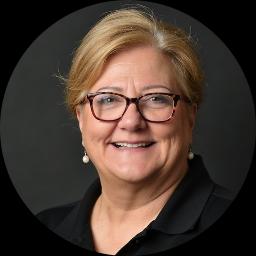

Rika Lopez
LMFT
California - 15 yrs exp








How sex addiction therapy typically works for California residents
If you decide to pursue therapy for compulsive sexual behavior in California, your first appointment will often focus on assessment and rapport. A clinician will ask about your history, how the behaviors affect your relationships, work, and daily life, and any co-occurring concerns such as anxiety, depression, or substance use. From there you and your clinician will develop a treatment plan with goals you can both agree on. Treatment plans may change over time as you make progress or identify new priorities.
Therapists who work with sex addiction use a range of approaches. Cognitive behavioral techniques can help you identify triggers and develop practical strategies to change behavior. Psychodynamic work may explore underlying emotional patterns or attachment issues that contribute to the behavior. Trauma-informed approaches are common when past trauma is part of the picture. Many clinicians integrate skill-building with relapse prevention and support for relationships that have been affected.
Where care takes place and who provides it
In California you will find clinicians practicing in private offices, community clinics, and through telehealth platforms. Licensed marriage and family therapists, clinical social workers, psychologists, and psychiatrists may all provide treatment depending on your needs. If medication management is appropriate for co-occurring conditions, a psychiatrist or medical provider can coordinate that aspect of care. It is helpful to ask about a clinician's specific experience with sexually compulsive behavior and whether they offer individual, group, or couples work.
Finding specialized help for sex addiction in California
Finding a clinician who specializes in this area can make a meaningful difference. Start by looking for professionals who list sex addiction, compulsive sexual behavior, or hypersexuality among their specialties. You can read profiles to learn about each therapist's training, treatment approaches, and populations they work with. Some clinicians have additional training in sexuality, trauma, or relationship therapy, and others hold certifications relevant to the field. Asking about years of experience and the kinds of cases they most commonly treat can help you find a good match.
Geography matters less than specialization when the clinical approach is a priority, but location can still influence logistics. If you live in or near Los Angeles, San Francisco, or San Diego you may have more in-person options and group programs. In more rural areas of California, telehealth can expand your choices. Consider your comfort level with online sessions as well as access to evening or weekend appointments if needed.
What to expect from online therapy for sex addiction
Online therapy has become a standard option in California and can be especially helpful when specialized clinicians are not nearby. When you choose telehealth, you can expect many of the same elements as in-person care - assessment, goal setting, skill building, and review of progress. Online sessions can be more convenient and reduce travel time, which helps you keep appointments consistent. Some clinicians offer a mix of online and in-person care depending on your needs and location.
Before your first online session, check that your environment supports privacy and focus. Use headphones if possible, and pick a time and place where interruptions are minimal. Your clinician should explain how they protect your privacy and how to reach them between sessions in case of urgent concerns. If you are in California and need ongoing medication management, ask whether the clinician coordinates with local medical providers or can refer you to a prescriber in your area.
Common signs that someone in California might benefit from sex addiction therapy
You might consider seeking help if sexual behavior feels out of control or if attempts to cut back have repeatedly failed. Other signs include secrecy that strains close relationships, persistent guilt or shame that affects your mood, legal or financial consequences tied to sexual behavior, or a pattern of risky encounters that worry you. Changes in work or study performance, social withdrawal, or increased anxiety and low mood related to sexual behavior are also indicators that talking with a clinician could be helpful.
Therapy can support you whether the behavior is a long-term pattern or a newer concern. It can also help if you are a partner seeking guidance on how to respond and whether to seek couples work. You do not need to reach a crisis point to make an appointment. Early intervention can prevent issues from escalating and give you tools to rebuild trust and wellbeing in relationships.
Tips for choosing the right therapist for this specialty in California
When evaluating therapists, pay attention to how comfortable you feel with their stated approach and whether they have experience treating issues similar to yours. You can ask about their training related to sexual behavior, whether they offer individual or group formats, and how they integrate relationship work when partners are involved. Inquire about session length, typical duration of treatment, and whether they offer flexible scheduling if you have work or family commitments.
Costs and insurance are practical considerations. Ask whether a clinician accepts your insurance or offers a sliding scale. If coverage is important, you may want to confirm that the clinician is credentialed with your plan. For online care across state lines, verify licensure and practice rules that affect your options. If you are in a major metropolitan area such as Los Angeles, San Francisco, or San Diego you may find more clinicians with specialized group programs and evening availability, while other parts of California might rely more on telehealth to access niche expertise.
What progress can look like and next steps
Progress in therapy varies depending on your goals and the nature of the challenges you face. Many people find that increased self-understanding, improved coping skills for triggers, more stability in relationships, and reduced frequency of problematic behavior are meaningful markers of progress. Some people benefit from a phase of intensive work followed by periodic check-ins, while others prefer ongoing weekly therapy for longer-term support. Your clinician should discuss milestones and how you will measure change together.
If you are ready to begin, consider reaching out to a few clinicians to ask preliminary questions and get a sense of fit. A short phone call or intake consultation can help you determine whether a therapist's approach and schedule suit you. If you are supporting a partner or family member, you can explore joint sessions or referrals to specialists who work with couples. Wherever you are in California, seeking professional help is a step toward gaining tools and support that can improve daily life and relationships.
Local considerations across California
California's size and diversity mean access varies by region. Urban centers such as Los Angeles and San Francisco often offer a wider range of specialized programs and clinicians with focused training. Coastal and inland communities may rely more on telehealth to bridge gaps in local specialty care. In all regions, it is worthwhile to ask about a clinician's experience with culturally responsive treatment and their experience working with populations similar to yours. That match can influence the quality of your care as much as clinical credentials.
Whatever your location in California, take time to find a clinician who aligns with your goals and makes you feel understood. The therapeutic relationship is a key part of change, and a good match can accelerate the work you want to do. If you need immediate assistance or are worried about safety, contact local emergency services or crisis lines to get prompt help.
Final thoughts
Choosing to look for a therapist is an important first step. By learning how therapy works, exploring specialized clinicians in California, and considering both in-person and online options, you can find professional support that fits your life and goals. Use the listings above to read profiles, compare approaches, and connect with a clinician who can help you move forward.