Find a Therapist of Color Therapist in California
Explore therapists of color practicing in California, offering culturally attuned care across the state. Browse listings below to compare specialties, approach, and availability in cities like Los Angeles, San Francisco, and San Diego.



Marlo Lewis
LCSW
California - 8 yrs exp
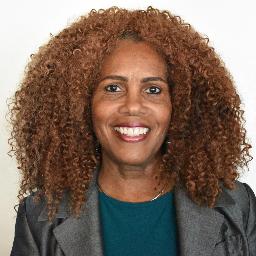


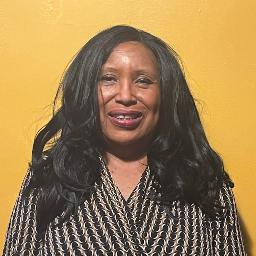



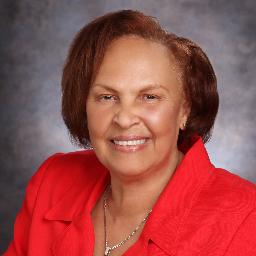

Dr. Malliga Battar
LMFT
California - 20 yrs exp












How therapist of color therapy works for California residents
When you search for a therapist of color in California, you are looking for a clinician who brings cultural understanding, lived experience, and attention to identity into the therapy process. This specialty does not prescribe a single method. Instead, therapists of color often combine evidence-based approaches with an awareness of how race, ethnicity, immigration history, language, and cultural traditions shape your experience. In California, where communities are diverse and multilingual, that cultural attunement can influence everything from the questions your therapist asks to the examples they use and the goals you set together.
Your therapeutic relationship focuses on your concerns - whether you are coping with stress, navigating family expectations, processing experiences of bias, or exploring identity. Therapists of color may emphasize topics that are sometimes underrepresented in more general practices, such as racial trauma, intergenerational dynamics, and bicultural stress. That focus can help you feel better understood and supported as you work toward practical changes in your life.
Finding specialized help for therapist of color work in California
Looking for a therapist who matches your cultural background, language, or worldview often starts with clear search criteria. You can narrow options by language, areas of specialization, modality, and insurance or fee preferences. If you live in an urban center like Los Angeles, San Francisco, or San Diego you will often find a wider range of therapists who identify as clinicians of color and who practice in different modalities. In smaller communities or suburbs you may need to expand your search to nearby cities or consider online appointments.
Local community centers, cultural health organizations, and university counseling programs sometimes maintain referral lists of clinicians who identify as therapists of color or who specialize in culturally responsive care. Professional directories list credentials and specialties that help you verify licensure and clinical focus. When you look at a profile, pay attention to descriptions that speak to multicultural competence, language options, or experience with specific communities such as immigrant families, Indigenous groups, or Black, Latinx, Asian American, and Pacific Islander populations.
What to expect from online therapy with a therapist of color
Online therapy has become a common option across California, and it is often a practical way to connect with a therapist whose background or specialty aligns with your needs. When you meet virtually, the basic structure resembles in-person sessions: regular meetings, a conversation about goals, and collaborative strategies. One difference is that you and your therapist may spend early sessions establishing the logistics of virtual care, such as technology preferences, boundaries for sessions, and how to handle emergencies from a distance.
If you choose online therapy because you cannot find a local match, you will want to confirm that the therapist is licensed to practice in California. Licensing rules generally require the clinician to be authorized to provide care to clients located in the state at the time of the session. Online therapy can make it easier to access bilingual clinicians or therapists with specialized cultural training who may practice from another part of the country but hold California authorization. In big metropolitan regions like Los Angeles and San Francisco you can often combine in-person and online options depending on your schedule and comfort.
Technology, privacy, and comfort in virtual sessions
Before an online appointment, you can ask about the platform, session length, and what to do if you experience connection issues. Create a comfortable environment in your home or another private area where you can talk without interruptions. Many people find that being in their own space helps them open up, while others prefer occasional in-person meetings when possible. You should feel empowered to discuss your preferences and to ask questions about how the therapist integrates cultural perspectives into telehealth work.
Common signs you might benefit from therapist of color therapy
You might consider seeking a therapist of color if you find that mainstream therapy approaches do not fully reflect your cultural values, family expectations, or experiences of discrimination. If you frequently struggle with feeling misunderstood in clinical or social settings, or if conversations about identity, race, or language are central to your stress, a therapist of color may offer perspectives that resonate more closely with your lived life.
Other signs that this specialty could be helpful include recurring conflicts over cultural expectations with family, difficulty navigating bicultural or multilingual identities, ongoing worry tied to experiences of bias or microaggressions, and a desire to process intergenerational trauma within a cultural framework. You may also seek a therapist of color when you want support that explicitly incorporates community and cultural strengths rather than treating identity as a secondary detail.
Tips for choosing the right therapist of color in California
Choosing the right therapist is both practical and personal. Start by clarifying what you want from therapy - immediate coping strategies, longer-term identity work, couples or family support, or help with life transitions. Look for clinicians who list relevant experience, such as work with specific cultural groups, language fluency, or training in culturally responsive therapies. Credentials matter, so check that the therapist holds an active California license in the appropriate discipline.
When you narrow the field, schedule a brief consultation when possible. Many therapists offer an initial call to discuss fit. Use that time to ask how they approach cultural topics, what values inform their practice, and how they have supported clients with similar concerns. Pay attention to how well the therapist hears you and whether their responses feel aligned with your goals. Practical considerations such as availability, fees, insurance participation, and session format should also guide your choice. In cities like Los Angeles and San Diego you might find more evening or weekend options; in other regions you may need to consider a mix of local and online appointments.
Trusting your experience and making changes when needed
Trust your experience as you begin therapy. It is normal for rapport to develop over several sessions, but you should feel respected and able to bring up difficult topics. If you find that the fit is not right, it is okay to look for another clinician. A thoughtful therapist will help you transition or provide referrals. Some people benefit from short-term work for specific goals, while others prefer ongoing therapy to explore identity and relational patterns more deeply.
Practical next steps
Use the listings on this page to compare backgrounds, read therapist statements about cultural work, and note languages and specialties. Consider whether you prefer a clinician who shares your racial or ethnic background, or whether you prioritize a therapist who demonstrates deep cultural competence and a history of working with diverse communities. If you are in Los Angeles, San Francisco, or San Diego you may have additional in-person options, while other parts of California can be well served by online appointments that bring culturally attuned care to your home.
Ultimately, choosing a therapist of color is about finding someone who helps you feel seen and supported while offering practical steps toward the changes you want. Take your time, ask questions, and remember that therapy is a collaborative process. When you find the right match, you are more likely to experience meaningful progress and to build strategies that fit your life and identity in California.