Find a Motivational Interviewing Therapist in California
Motivational Interviewing is a collaborative, goal-focused counseling approach that helps people explore motivation for change and build momentum toward their goals. Use the listings below to find practitioners across California who use this method in their work.
Browse profiles to compare specialties, formats, and availability, then reach out to schedule an initial conversation with a therapist who feels like the right fit.







Marlo Lewis
LCSW
California - 8 yrs exp
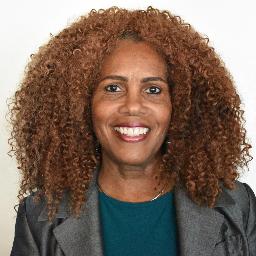








Kristin Perkins
LCSW
California - 23 yrs exp








What Motivational Interviewing is and the principles behind it
Motivational Interviewing, often called MI, is a conversational approach that centers on helping you explore and resolve mixed feelings about change. Rather than telling you what to do, a therapist trained in MI prioritizes listening, asking open questions, and reflecting what you say so you can hear your own reasons for change. The method is built on a few guiding principles that shape how sessions feel and what you can expect from the work.
Core principles of the approach
One central idea is collaboration - you and the therapist work together as partners rather than as director and patient. The therapist evokes your own motivations by drawing out change talk rather than imposing arguments for change. Respecting your autonomy is also key - the therapist approaches you with curiosity about your priorities and acknowledges that ultimately you decide the path forward. Empathy and mindful listening are central. When resistance appears, the therapist leans into it with reflective responses instead of trying to overcome it with persuasion. Across these principles, the aim is to create an atmosphere where your own values and goals can emerge clearly, making steps toward change feel self-directed and sustainable.
How Motivational Interviewing is used by therapists in California
In California, MI is used in a wide range of clinical and community settings. You will find clinicians incorporating MI in private practice sessions, integrated behavioral health programs at clinics, addiction treatment programs, and public health initiatives. In metropolitan areas like Los Angeles and San Francisco, therapists often blend MI with other evidence-informed approaches to meet the needs of diverse clients. In coastal and suburban communities, practitioners may use MI as a primary tool for short-term goal work or as a gateway to longer-term therapy.
Therapists in California adapt MI to different formats and populations. Some clinicians offer brief MI-focused interventions aimed at a specific behavior change, while others use MI techniques throughout ongoing therapy to enhance motivation and engagement. Whether you prefer an approach that is direct and time-limited or one that unfolds over months, MI techniques can be tailored to fit the rhythm of your therapy and your goals.
What types of issues Motivational Interviewing is commonly used for
MI is particularly useful when the core challenge involves ambivalence - when you want to change but feel pulled in different directions. Therapists commonly use MI for concerns such as reducing substance use, managing alcohol, quitting smoking, or increasing adherence to health behaviors like exercise and medication routines. Beyond health behaviors, MI is often used to support lifestyle shifts related to sleep, nutrition, and stress management. It can also help you clarify goals for mental health treatment, build commitment to therapy tasks, and support readiness for transitions such as returning to work or beginning couples therapy.
Because MI emphasizes your own reasons for change, it can be applied across many ages and backgrounds. In settings ranging from outpatient clinics to community programs, MI helps people move from contemplation to action in ways that feel personally meaningful.
What a typical Motivational Interviewing session looks like online
Online MI sessions follow many of the same patterns as in-person meetings but are adapted for video or phone formats. You can expect a session to begin with a brief check-in about how you are doing and what you hope to address that day. The therapist will listen for cues about your current motivation and ask open-ended questions to help you explore pros and cons of change. Much of the hour may involve reflective listening and summarizing, which helps you hear and organize your own thoughts.
Therapists frequently use scaling questions in MI - asking you to rate readiness or confidence on a scale from one to ten - and then follow up to understand what moves that number up or down. If you express change talk, the therapist will reinforce it and help you imagine small, achievable next steps. At the end of a session, you and the therapist typically review what emerged and, if appropriate, agree on a specific action to try before the next meeting. Online sessions offer the convenience of joining from home or another comfortable environment, and many therapists will spend a minute at the start to make sure you have a calm place for the conversation and any technical needs are met.
Who is a good candidate for Motivational Interviewing
Motivational Interviewing tends to work well if you are unsure about making a change, feel stuck between wanting and not wanting to act, or have tried to change before but found it hard to sustain. If you respond well to a nonjudgmental, client-centered way of working and value having your own motivations explored, MI may suit you. The approach is also adaptable - you can use MI as a brief intervention focused on a single behavior or include MI techniques within longer-term therapy for issues such as mood, relationship patterns, or co-occurring substance concerns.
MI can be a helpful starting point if you want clarity about what matters most to you and how to take small, realistic steps toward your goals. It is not limited by age or background, and therapists in California often tailor sessions to cultural and linguistic preferences so that the work matches your lived experience.
How to find the right Motivational Interviewing therapist in California
Begin by looking for clinicians who explicitly list Motivational Interviewing among their approaches. In larger cities like Los Angeles, San Francisco, and San Diego you will find a range of specialties and formats, so consider what matters most - flexible evening sessions, telehealth options, language preferences, or experience with a particular issue. When you review profiles, pay attention to a therapist's training and whether they describe how they use MI in practice. Some therapists emphasize brief MI interventions while others integrate MI into longer treatment plans.
Contact potential therapists with a few focused questions. Ask about their experience using MI with issues similar to yours and how they measure progress. Inquire about session length and frequency, fees, and whether they accept your insurance or offer a sliding-scale option. It helps to ask what a typical first session feels like so you can assess whether the clinician's style matches your expectations. Many therapists offer a brief consultation call so you can get a sense of rapport before committing to a full session.
Consider practical factors such as whether you prefer someone who sees clients in person or remotely, and whether proximity matters if you plan in-person meetings. Even if you live outside major urban centers, many California therapists offer telehealth across state regions, making it easier to connect with clinicians in nearby cities like San Jose or Sacramento when you want a particular fit.
Making the most of Motivational Interviewing
To get the most from MI, come to sessions ready to speak honestly about both your hopes and your doubts. The method is most effective when you use the space to explore what change would mean for you and to test small experiments between sessions. If you and your therapist agree on action steps, treat those as opportunities to learn rather than pass-fail tests. Over time, the process of exploring, trying, and reflecting helps strengthen your own reasons for change and builds confidence.
If you are ready to begin, use the directory to narrow your search by location, specialization, and format, then reach out to a few therapists to compare approaches. With the right match, Motivational Interviewing can help you move from uncertainty to purposeful action in a way that aligns with your values and everyday life.