Find a Trauma-Focused Therapy Therapist in California
Trauma-Focused Therapy is a clinical approach designed to help people process and recover from the effects of traumatic events. Find practicing clinicians across California who specialize in trauma work and review their profiles below.
Browse the listings to compare specialties, modalities, and availability so you can connect with a therapist who meets your needs.



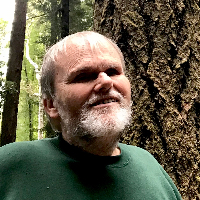

Therese Schmoll
LMFT
California - 30 yrs exp


















What Trauma-Focused Therapy Is
Trauma-Focused Therapy is an approach that centers the experience of trauma in treatment planning and intervention. Rather than treating symptoms in isolation, the work focuses on how past traumatic events shape current thoughts, emotions, and behaviors. Core principles include establishing a safe setting for work, helping you build coping skills, carefully approaching memories and triggers, and supporting integration of new perspectives that reduce distress. Many therapists blend evidence-informed strategies with an individualized plan that reflects your history, cultural background, and goals.
Therapeutic Principles and Methods
Therapists trained in trauma-focused methods commonly emphasize stabilization before intensive memory work. Stabilization can involve teaching grounding techniques, emotional regulation skills, and breathing practices so you have ways to manage intense feelings between sessions. When you are ready, therapists may use guided processing techniques to help you revisit difficult memories in a way that reduces their hold on everyday life. Some clinicians incorporate body-centered approaches when trauma plays out in physical tension or somatic symptoms, recognizing that the mind and body respond together to overwhelming experiences.
How Trauma-Focused Therapy Is Used by Therapists in California
In California, trauma-focused clinicians work in a variety of settings including independent practices, community mental health centers, hospital-associated programs, schools, and nonprofit organizations. Urban regions such as Los Angeles and San Francisco offer large networks of specialists who may have additional training in work with veterans, first responders, immigrant communities, or survivors of interpersonal violence. In coastal and inland areas like San Diego and other parts of the state, therapists often combine trauma care with an awareness of regional stressors such as migration-related trauma, wildfire exposure, or community violence.
California clinicians tend to emphasize cultural responsiveness and accessibility. That can mean offering sessions in multiple languages, coordinating with community supports, or adapting therapy to reflect cultural beliefs about healing. Because the state has diverse populations, you may find clinicians who bring experience with specific cultural practices, multigenerational trauma, or faith-informed approaches that complement clinical care.
Common Issues Addressed with Trauma-Focused Therapy
Trauma-Focused Therapy is commonly used for people dealing with post-traumatic stress symptoms, complex trauma stemming from long-term abuse or neglect, and reactions to single-incident traumas such as accidents or natural disasters. It is also applied to problems that often accompany trauma, including sleep disturbances, panic attacks, difficulties with trust and intimacy, chronic anxiety, and persistent feelings of threat. Therapists may also support people navigating grief after traumatic loss, survivors of assault, and those recovering from traumatic medical experiences.
What a Typical Online Trauma-Focused Session Looks Like
If you choose online sessions, you will find that many trauma-focused therapists aim to create a predictable and supportive structure. A session often begins with a check-in to assess your current mood, sleep, and coping since the last meeting. You and your clinician may practice grounding or breathing techniques before working on any material that could evoke strong emotion. Processing is paced to your needs, and therapists frequently use guided techniques to approach memories without overwhelming you. Sessions usually end with a discussion of steps you can take between sessions to maintain stability, and a brief safety plan is often reviewed so you know what to do if you become distressed.
Doing trauma work online requires some additional considerations. You will want to choose a quiet, comfortable environment where interruptions are limited. Therapists will ask about your setting at the start of the first session and collaborate with you on what to do in an emergency. Technology can be an advantage because it allows you to access specialists across the state, including clinicians in Los Angeles or San Francisco, without traveling long distances.
Who Is a Good Candidate for Trauma-Focused Therapy
You may be a good candidate if you notice that past painful events continue to affect your daily functioning, relationships, or sense of safety. Readiness for trauma-focused work often means you have some capacity to manage intense emotions and a basic support system you can rely on between sessions. If you are experiencing active suicidal thoughts, severe substance use that affects session participation, or ongoing exposure to danger, therapists will typically work with you on immediate safety and stabilization first, and may coordinate with other services when needed.
People of different ages and backgrounds can benefit from trauma-focused approaches. Some clinicians specialize in child and adolescent trauma, offering family-centered interventions, while others focus on adult survivors or older adults processing long-hidden memories. You do not need to have a formal diagnosis to seek this kind of therapy; many people pursue trauma-focused care to reduce symptoms, improve relationships, and regain a sense of control.
How to Find the Right Trauma-Focused Therapist in California
Start by looking for clinicians who list trauma-focused therapy or trauma specialization on their profiles. Pay attention to the modalities they use and their training in trauma-informed care. You may want to prioritize therapists who have additional coursework or supervised experience in trauma-specific techniques, or those who work with populations similar to yours. Practical considerations can matter as well. Think about whether you prefer in-person sessions in a local office or the flexibility of telehealth, what insurance or payment options you need, and whether language or cultural matching is important.
When you contact a therapist, it is reasonable to ask about their approach to trauma work, how they handle times of heightened distress, and what a typical course of treatment looks like. Many clinicians offer an initial consultation that gives you a chance to assess rapport, ask about logistics, and clarify goals. If you are located in or near cities such as Los Angeles, San Francisco, or San Diego, you will often find clinicians with niche specializations, but telehealth also makes it possible to consult with therapists elsewhere in California if you are seeking a specific expertise.
Practical Steps for Beginning Therapy
Before booking your first full session, take a moment to prepare. Consider what outcomes you hope to achieve, whether you prefer a therapist of a particular background, and what your scheduling needs are. If cost is a concern, ask about sliding scale options, community clinics, or therapists who accept your insurance. Once you begin, keep track of how the work feels; it is normal for intensive work to feel challenging at times, and you should also notice periods of relief and growth. If the relationship does not feel like a good fit after a few sessions, it is acceptable to seek a different clinician who better matches your needs.
Moving Forward with Trauma-Focused Therapy in California
Choosing to pursue trauma-focused therapy is a personal decision that can lead to meaningful change over time. Whether you are exploring help for symptoms of PTSD, struggling with the long-term effects of complex trauma, or seeking support after a single upsetting event, trained clinicians across California can offer approaches tailored to your situation. Use the therapist listings to compare experience, availability, and therapeutic style, and reach out to schedule an initial conversation. Taking that first step can help you find a practitioner who supports your journey toward greater stability and well-being.