Find a Trauma and Abuse Therapist in California
This page connects you with therapists across California who specialize in trauma and abuse treatment. Browse the therapist listings below to review specialties, locations, and availability in your area.






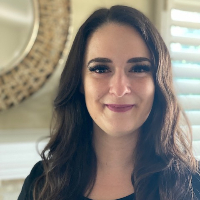






Therese Schmoll
LMFT
California - 30 yrs exp










How trauma and abuse therapy works for California residents
If you are seeking help for trauma or past abuse, therapy typically begins with an intake conversation to clarify your goals, history, and immediate needs. In California, many clinics and private practices offer a range of clinician types - psychologists, licensed clinical social workers, marriage and family therapists, and professional clinical counselors - who use trauma-informed approaches. During early sessions you and your therapist will establish a plan that balances symptom relief with longer term healing. That plan may include short-term coping strategies for anxiety or sleep problems, safety planning if you are currently at risk, and gradually introducing therapeutic methods that address painful memories and body-based responses.
Evidence-informed approaches you may encounter
Therapists working with trauma and abuse in California often draw on a set of established approaches rather than a single technique. You might see cognitive-behavioral methods that help you challenge unhelpful thoughts and learn grounding tools. Somatic therapies focus on how the body stores stress and aim to restore a sense of stability. There are also structured therapies designed specifically for trauma processing. Your therapist will discuss these options and tailor a blend of strategies to your needs, cultural background, and pace of readiness.
Finding specialized help for trauma and abuse in California
California is geographically and culturally diverse, and so are the trauma services available. Urban centers such as Los Angeles, San Francisco, and San Diego offer a wide range of specialized programs, clinicians with advanced trauma training, and community resources for survivors of abuse. In smaller cities and rural areas you may find clinicians who provide high-quality trauma care through private practices or integrated health clinics. When searching, look for clinicians who list trauma, abuse, or complex trauma among their specialties, and who describe the populations they work with - for example survivors of childhood abuse, intimate partner violence, military-related trauma, or community violence.
Considerations for cultural and language needs
Your cultural background and language preferences matter when you seek trauma treatment. California’s large immigrant communities and multilingual neighborhoods mean you can sometimes find clinicians who speak your language or who have experience with specific cultural contexts. Ask whether a therapist has worked with clients from similar backgrounds or with comparable life experiences. Cultural competence helps ensure your story is heard in a way that respects values, family systems, and healing traditions that may be important to you.
What to expect from online therapy for trauma and abuse
Online therapy has become a common option across California. It can expand access if you live far from specialized clinics or prefer the convenience of meeting from home. With online sessions you and your clinician will discuss technology needs, privacy during sessions, and what to do in the event of an emotional crisis. It is helpful to join sessions from a quiet, private space where you feel comfortable talking. For some people the ability to remain in a familiar environment makes disclosure and processing easier. For others, in-person work complements telehealth - particularly when body-focused techniques or more intensive support are part of the therapy.
Safety, logistics, and state rules
Therapy delivered online follows regulations about where a clinician can practice, so check that the therapist lists California as part of their licensed practice area. Discuss how the therapist handles emergencies and local referrals, and confirm whether they can help you connect to nearby crisis services if needed. You should also ask about session length, typical frequency, and any materials or assessments they use in telehealth sessions.
Common signs you might benefit from trauma and abuse therapy
If you find that intrusive memories, flashbacks, nightmares, or a persistent sense of threat interfere with daily life, therapy can provide structured support to reduce those symptoms. You might also notice avoidance - steering clear of places, people, or conversations that remind you of a traumatic event - which can narrow what you feel safe doing. Emotional reactions such as heightened irritability, sudden anxiety, or difficulty trusting others may indicate that trauma is influencing your relationships and wellbeing. Physical signs are also common; chronic tension, sleep disruption, and a sense of being on edge can accompany unresolved trauma. If these experiences affect your work, school, or family life, exploring trauma-focused therapy could help you regain stability.
Tips for choosing the right therapist for this specialty in California
Begin by clarifying what you want from therapy - symptom relief, processing specific events, rebuilding trust in relationships, or learning skills to regulate intense emotions. Once you understand your priorities, review therapist profiles for their training in trauma-specific approaches and for descriptions of client populations they commonly serve. It can be useful to note whether a clinician mentions working with survivors of abuse, childhood trauma, or complex trauma, and whether they offer particular methods that appeal to you. Consider practical factors too - whether they accept your insurance, offer sliding scale fees, or provide evening appointments if you have daytime responsibilities. If distance is a concern, look for clinicians who offer telehealth across California or who practice in your city, for example in Los Angeles or San Francisco.
Trust and fit matter
Therapeutic fit is often the most important factor. You should feel that the therapist listens and responds in a way that makes you feel understood. It is okay to schedule a brief consultation or an intake session and then change providers if the fit is not right. Good clinicians will explain their approach, answer your questions about treatment length and goals, and discuss how progress will be measured. If you feel hesitant about any part of that conversation, bring up your concerns - a trauma-informed therapist will respect your pace and help you find a path forward.
Local resources and next steps
In addition to individual therapy, California residents can often access community support through nonprofit organizations, advocacy groups, and local health centers that focus on trauma recovery and survivor services. Major cities and counties may offer specialized programs for survivors of domestic violence, human trafficking, or childhood abuse, including group programs and legal advocacy. When you are ready to take a next step, use the listings on this page to contact therapists who match your needs, ask about their trauma experience, and request an initial session to see how it feels. If you are currently in danger or face immediate risk, seek local emergency services or law enforcement in your area first.
Finding the right trauma and abuse therapist in California can be a process, but you do not have to manage it alone. Use the profiles and filters to narrow down options by approach, language, and location. Whether you live in a large metro area such as San Diego or a smaller community, there are clinicians who focus on trauma work and who can help you build coping skills, understand your responses, and move toward greater stability and wellbeing.