Find a Therapist of Color Therapist
Explore therapists of color who bring cultural awareness and lived experience to therapy. Use the listings below to compare profiles, specialties, and availability as you find a provider who fits your needs.







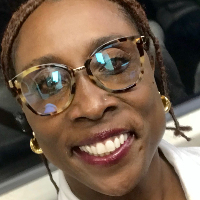
LaShica Hemingway
LCMHC
North Carolina - 12 yrs exp















What it means to seek a therapist of color
When you look for a therapist of color you are often seeking a clinician whose lived experience or focused training helps them understand how race, ethnicity, culture, and identity shape mental health and daily life. For many people of color, cultural values, family expectations, immigration history, language differences, and encounters with racism and bias influence the issues that bring them to therapy. Choosing a therapist who shares or deeply understands aspects of that background can help conversations move more quickly from explanation to exploration, because less time is needed to translate experiences that are rooted in culture.
How culture and identity commonly affect people
Cultural identity can affect the ways you express emotions, seek support, and interpret stress. Some communities emphasize collective decision-making and family ties, while others prioritize individual autonomy, and those differences matter in therapy. Experiences of discrimination, microaggressions, or stereotype threat can shape your sense of safety in workplaces, schools, and social situations. Intergenerational trauma and migration can add layers of complexity to family relationships and identity development, and language or dialect preference may influence how you connect with a clinician. A therapist of color may be better attuned to these dynamics and more comfortable addressing them directly.
Signs you might benefit from therapy with a therapist of color
You might consider seeking a therapist of color if you feel that past providers did not understand culturally specific stressors or if you often spend sessions explaining your cultural context rather than working through it. If race-related anxiety, identity questions, immigrant or refugee experiences, or family expectations are central to your concerns, a clinician familiar with these themes can help you navigate them thoughtfully. You may also want a therapist of color if you feel more at ease discussing microaggressions, discrimination at work or school, or culturally rooted stigmas about mental health and help-seeking. Wanting a clinician who shares your language or religious background is another common reason to look specifically for therapists of color.
What to expect in sessions focused on cultural and identity work
Early sessions typically include an intake conversation where you and the therapist review presenting concerns, personal history, and cultural background. Expect time to be spent exploring family patterns, migration or generational stories, community norms, and how identities intersect in your life. Your therapist may ask about experiences of bias and how those events affected your emotional and physical responses. Therapy often blends processing of painful experiences with skill-building - you may learn ways to manage stress responses, set boundaries with family or colleagues, and communicate needs more clearly. Many people appreciate the chance to integrate cultural practices or values into therapeutic goals so that healing fits the whole of their life.
The relational aspect of culturally informed therapy
Relationship matters in therapy, and when culture is central to the work you want to do you might pay particular attention to how comfortable you feel naming racial dynamics and whether the therapist listens without minimizing. You should expect respectful curiosity, an interest in understanding your unique perspective, and openness from the clinician to learn from you. Therapy is a collaborative process - you and your therapist will shape the pace and focus together, balancing validation of experiences with practical steps that help you navigate daily challenges.
Common therapeutic approaches used by therapists of color
Therapists of color use many well-established approaches while adapting them to cultural context. Cognitive behavioral strategies are often used to address unhelpful thoughts and behaviors, with attention to how cultural messages shape beliefs about self-worth and competence. Narrative approaches invite you to examine the stories you were taught about who you are and to explore alternative self-defining narratives that honor resilience. Trauma-informed and somatic methods can be helpful when processing race-based trauma, because they consider how stress shows up in the body as well as the mind. Family systems work is frequently applied to address intergenerational patterns and cultural expectations. Culturally adapted interventions explicitly consider language, spirituality, and community values in treatment planning.
Therapist training and cultural competence
Look for therapists who describe training or experience in multicultural counseling, anti-racism work, or community-specific issues. Cultural competence is not a single qualification - it is demonstrated by ongoing learning, humility, and the ability to apply clinical skills in ways that respect your background. Therapists who acknowledge the limits of their knowledge and ask thoughtful questions are often better positioned to do meaningful work than those who assume expertise without engagement.
How online therapy works for this specialty
Online therapy offers a practical way to connect with therapists of color beyond your immediate geographic area, which can be especially useful if you live in a region with few clinicians of similar background. Sessions are typically held by video, phone, or messaging, and the format you choose can influence how you express yourself - some people find it easier to talk over video, while others prefer messaging for its reflective pace. When you meet online you can still build a strong therapeutic relationship and do culturally focused work; many clinicians adapt assessment methods and interventions for remote sessions and incorporate culturally relevant resources into your care.
Practical considerations for teletherapy
If you plan to use online therapy, check the therapist's licensing to ensure they can legally provide care where you are located, and ask about fees and reimbursement options. Consider where you will attend sessions - a comfortable environment that allows you some privacy and minimal interruptions helps conversations stay focused and meaningful. Discuss how the clinician handles scheduling, cancellations, and communication between sessions so you have clear expectations. You may also want to ask about translation or bilingual services if language access matters to you.
Tips for choosing the right therapist of color
Finding the right therapist involves both practical fit and relational comfort. Start by reflecting on the most important factors for you - whether that is language, gender, generational background, religious understanding, or experience with specific issues like immigration, racial trauma, or family conflict. Read therapist profiles to learn about their training, therapeutic approach, and areas of focus, and pay attention to how they describe their work with diverse clients. Reach out for an initial consultation or intake call if possible - a short conversation can help you gauge whether the clinician listens in a way that feels supportive and whether they ask about cultural context in a thoughtful manner.
Questions to consider asking
When you contact a therapist, you might ask about their experience working with clients who share your cultural background or who face similar race-related stressors. It is reasonable to inquire how they approach conversations about discrimination, how they integrate cultural strengths into treatment, and what languages they offer services in. You can also ask about their approach to therapy and what kinds of outcomes they typically work toward. Pay attention to how comfortable you feel discussing these topics during the initial exchange - the way a clinician responds can give you useful information about fit.
Moving forward
Choosing a therapist of color is a personal decision that can add an important layer of cultural understanding to your mental health care. You do not need to have everything figured out before reaching out - a first session is often an opportunity to clarify goals and experiment with different ways of working. If a therapist does not feel like the right fit, it is okay to try someone else; the right relationship can make it easier to address complex cultural and identity-related concerns. Use the listing grid above to review profiles, compare specialties, and reach out to clinicians who resonate with your needs. Taking that first step can open a path toward deeper understanding and practical strategies that reflect the full context of your life.
Find Therapist of Color Therapists by State
Alabama
84 therapists
Alaska
11 therapists
Arizona
43 therapists
Arkansas
23 therapists
Australia
128 therapists
California
860 therapists
Colorado
43 therapists
Connecticut
29 therapists
Delaware
19 therapists
District of Columbia
30 therapists
Florida
429 therapists
Georgia
380 therapists
Hawaii
26 therapists
Idaho
5 therapists
Illinois
163 therapists
Indiana
46 therapists
Iowa
6 therapists
Kansas
17 therapists
Kentucky
22 therapists
Louisiana
136 therapists
Maine
6 therapists
Maryland
122 therapists
Massachusetts
33 therapists
Michigan
163 therapists
Minnesota
32 therapists
Mississippi
81 therapists
Missouri
69 therapists
Montana
2 therapists
Nebraska
10 therapists
Nevada
36 therapists
New Hampshire
3 therapists
New Jersey
113 therapists
New Mexico
21 therapists
New York
275 therapists
North Carolina
243 therapists
North Dakota
1 therapist
Ohio
73 therapists
Oklahoma
49 therapists
Oregon
16 therapists
Pennsylvania
70 therapists
Rhode Island
4 therapists
South Carolina
132 therapists
South Dakota
2 therapists
Tennessee
70 therapists
Texas
530 therapists
United Kingdom
772 therapists
Utah
19 therapists
Vermont
1 therapist
Virginia
107 therapists
Washington
49 therapists
West Virginia
2 therapists
Wisconsin
49 therapists
Wyoming
3 therapists