Find a Dialectical Behavior Therapy (DBT) Therapist
Dialectical Behavior Therapy (DBT) is a structured, skills-based approach that combines practical coping strategies with acceptance principles. Browse therapists trained in DBT below to find clinicians who offer this approach and support skill-building for everyday challenges.









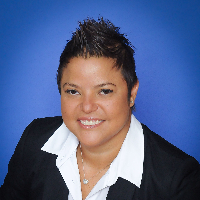
Martha "Grace" Marquez
LMHC
Florida - 21 yrs exp













What Dialectical Behavior Therapy (DBT) Is and the Principles Behind It
Dialectical Behavior Therapy is a therapeutic approach built around the idea that two seemingly opposite strategies - acceptance and change - can be balanced to help people manage powerful emotions and reduce harmful behaviors. DBT grew from cognitive-behavioral roots and places emphasis on teaching concrete skills while also validating the reality of a person’s emotional experience. At its core, DBT rests on principles such as dialectics - finding synthesis between opposites - validation - acknowledging your feelings and experiences - and a focus on building practical skills that apply to day-to-day life.
When you begin DBT, your therapist typically frames work around skill development rather than only exploring the origins of your difficulties. The approach aims to help you notice patterns in how you respond to stress, learn specific strategies to alter those patterns, and practice new responses in real-world situations. Treatment is often organized so that skill learning, individual therapy, and ongoing team consultation for clinicians are all part of the process.
What DBT Is Commonly Used For
You might consider DBT if you struggle with intense emotions that feel overwhelming, find yourself acting impulsively in ways that cause regret, or have repeated conflicts in close relationships. Clinicians commonly use DBT to address persistent emotion dysregulation, self-harming behaviors, chronic suicidal thoughts, and patterns of instability in mood or relationships. The approach is also adapted for people facing co-occurring challenges such as substance use, disordered eating, post-traumatic stress, or depression that responds unevenly to other interventions. Because DBT teaches skills that help you tolerate distress and improve communication, many people find it useful even when a specific diagnosis is not present.
What a Typical DBT Session Looks Like
A DBT program usually combines several components so you can learn and apply new skills in different contexts. Individual therapy sessions focus on your personal goals and challenges - your therapist will help you set priorities, identify problematic patterns, and apply skills to real-life situations. Group skills training sessions function like a class where you learn and practice four main skill areas: mindfulness, distress tolerance, emotion regulation, and interpersonal effectiveness. In some programs there is an element of coaching or between-session support that helps you generalize skills to moments of crisis - how that is offered varies by clinician and program.
During individual sessions you can expect a balance of problem-solving and validation. Your therapist will help you clarify what happened, what you want to change, and which skill might help. Sessions often include homework or practice tasks so you can try skills between meetings and bring back what worked or did not work. Group sessions emphasize repetition and role-play so you feel more confident using skills when it matters most.
How DBT Differs from Other Approaches
DBT shares some techniques with cognitive-behavioral therapy - for example, attention to thoughts, behaviors, and consequences - but it places unique emphasis on acceptance and skills training. Where some therapies concentrate mainly on changing thought patterns, DBT gives equal weight to accepting what you feel while learning concrete strategies to respond differently. That dialectical balance - accepting reality and working toward change - is a defining feature.
Compared with unstructured talk therapies, DBT tends to be more skills-focused and structured. You will typically follow a curriculum of skills and have measurable targets that track behavior change over time. Unlike approaches that center primarily on exploring past experience, DBT prioritizes helping you function more effectively in the present. At the same time, DBT is not solely behavioral - it recognizes the need for empathy, validation, and a strong therapeutic relationship as foundations for lasting change.
Who Is a Good Candidate for DBT
You may be a good candidate for DBT if you want tools for managing intense emotions, reducing impulsive or self-harming behavior, and improving relationships. People who have had limited success with other treatments often find DBT’s practical skill-building and clear structure helpful. DBT can be adapted for different ages and settings, so whether you are an adolescent struggling with emotional volatility or an adult dealing with long-standing patterns that interfere with work and relationships, the approach can be tailored to your needs.
If you are currently in crisis or experiencing thoughts of harming yourself, DBT programs are often designed to include safety planning and crisis response strategies. When considering DBT, think about whether you want a time-limited course of learning skills or a more intensive, longer-term program that includes individual therapy and group training. Your readiness to practice new skills and to engage in a collaborative relationship with a therapist also matters as you prepare to begin this work.
How to Find the Right DBT Therapist
Finding the right therapist for DBT involves looking for training, fit, and practical compatibility. When you review profiles, note whether a clinician explicitly lists DBT training or experience with the program components you are interested in, such as individual therapy, group skills training, or between-session coaching. You can ask potential therapists about their experience adapting DBT for people with similar concerns to yours, and whether they follow a manualized model or integrate DBT skills into a broader approach.
Fit matters. You should feel heard and respected, and you want a therapist who explains how DBT will work in a way that makes sense to you. Practical considerations are important as well - check whether they offer in-person or remote sessions, what the expected frequency of meetings is, and how long a typical course lasts. Insurance coverage, sliding scale options, and scheduling flexibility can affect whether a provider is feasible for you over time.
When you reach out, it can help to ask specific questions like how they structure sessions, how they support skill practice outside sessions, and how they handle high-risk moments. If you are working with other healthcare providers, inquire about coordination so care is integrated. Many therapists offer an initial consultation where you can get a sense of their style and whether the approach feels like a good match for your goals.
Getting Started
Beginning DBT is a step toward learning how to manage intense emotions and to build a more functional life. You do not need to have every detail figured out before you start - a therapist trained in DBT can help you set realistic goals and guide your learning in a paced way. If you are exploring options, consider browsing profiles to compare clinicians’ training, the formats they offer, and patient reviews. A good match will combine relevant training with an approach that aligns with your needs and helps you feel able to try new skills in the situations that matter to you.
DBT is practical and skills-oriented, yet it also respects your experience and strengths. With the right clinician and commitment to practice, it can provide tools that help you respond to difficult moments differently and move toward goals that matter in your daily life.
Find Dialectical Behavior Therapy (DBT) Therapists by State
Alabama
57 therapists
Alaska
7 therapists
Arizona
72 therapists
Arkansas
24 therapists
Australia
129 therapists
California
372 therapists
Colorado
111 therapists
Connecticut
35 therapists
Delaware
8 therapists
District of Columbia
3 therapists
Florida
364 therapists
Georgia
163 therapists
Hawaii
16 therapists
Idaho
32 therapists
Illinois
138 therapists
Indiana
77 therapists
Iowa
25 therapists
Kansas
34 therapists
Kentucky
33 therapists
Louisiana
83 therapists
Maine
23 therapists
Maryland
45 therapists
Massachusetts
45 therapists
Michigan
169 therapists
Minnesota
66 therapists
Mississippi
39 therapists
Missouri
102 therapists
Montana
32 therapists
Nebraska
29 therapists
Nevada
21 therapists
New Hampshire
15 therapists
New Jersey
57 therapists
New Mexico
26 therapists
New York
184 therapists
North Carolina
185 therapists
North Dakota
8 therapists
Ohio
95 therapists
Oklahoma
53 therapists
Oregon
52 therapists
Pennsylvania
129 therapists
Rhode Island
4 therapists
South Carolina
88 therapists
South Dakota
10 therapists
Tennessee
64 therapists
Texas
358 therapists
United Kingdom
406 therapists
Utah
65 therapists
Vermont
7 therapists
Virginia
67 therapists
Washington
67 therapists
West Virginia
16 therapists
Wisconsin
87 therapists
Wyoming
22 therapists