Find a Trauma-Focused Therapy Therapist
Trauma-Focused Therapy is an evidence-informed approach that supports people in processing distressing experiences and developing practical coping strategies. Browse the therapists listed below to find clinicians trained in this method and compare their specialties and service formats.


















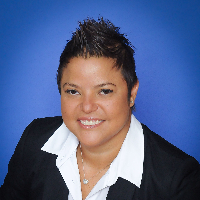
Stephanie Collins
LCSW
Wisconsin - 10 yrs exp





What is Trauma-Focused Therapy?
Trauma-Focused Therapy is a therapeutic approach developed to help people address the emotional, cognitive, and physiological effects of traumatic events. At its core, this approach aims to reduce the ongoing impact of past harm by helping you process memories, understand reactions, and learn strategies that make daily life more manageable. Therapists who practice this approach generally combine structured techniques with a focus on safety and stabilization so that recollection and processing happen at a pace you can tolerate.
Principles behind the approach
The practice is grounded in several core principles. First, it recognizes that trauma can alter the way memory, emotion, and the nervous system function, and it offers specific methods to reduce symptoms without overwhelming the person. Second, it emphasizes a collaborative relationship between you and your clinician - one where consent, pacing, and clear goals are central. Third, the approach integrates both skills training and targeted processing work - teaching practical tools for grounding and emotional regulation alongside techniques that address traumatic memories or beliefs.
Common issues Trauma-Focused Therapy is used for
Trauma-Focused Therapy is commonly recommended for people who have experienced single-incident trauma or prolonged and repeated trauma. This includes responses following assault, accidents, natural disasters, interpersonal violence, medical trauma, or childhood adversity. The approach is also used when past events contribute to ongoing difficulties such as intrusive memories, nightmares, hypervigilance, avoidance of reminders, difficulties in relationships, or intense emotional reactivity. While it is frequently associated with post-traumatic stress reactions, clinicians also apply trauma-focused strategies when trauma underlies anxiety, depression, or substance use concerns.
What a typical session looks like
Sessions usually follow a consistent structure while remaining adaptable to your needs. Early appointments are often focused on assessment and building skills that help manage distress - grounding techniques, breath work, and coping strategies to reduce overwhelming arousal. As you and your therapist establish safety and stability, sessions may shift toward targeted work on traumatic memories or beliefs that maintain distress. That work can be direct or gradual, depending on the method a therapist uses and your readiness. Some clinicians use structured protocols with specific steps and homework, while others integrate trauma-focused tools into a broader therapeutic framework. Sessions may also include education about stress responses and ways to reduce triggers in everyday life.
Session length, frequency, and format
Session length commonly ranges from 45 to 60 minutes, and frequency may vary from weekly to biweekly depending on clinical recommendations and your circumstances. Many therapists offer individual sessions, and for certain types of trauma interventions there may be options for family or couples work when appropriate. Some clinicians provide in-person appointments, while others offer remote sessions; the choice of format often depends on access, comfort, and treatment goals. Homework or between-session practice is sometimes assigned to reinforce skills learned in therapy and to promote gradual exposure to avoided situations when indicated.
How Trauma-Focused Therapy differs from other approaches
Trauma-Focused Therapy differs from generalized talk therapy in its explicit attention to trauma-related memories and the physiological ways trauma affects the body and mind. While traditional supportive therapy may center on understanding feelings and navigating life problems, trauma-focused work often incorporates specific techniques designed to process traumatic material and reduce its ongoing impact. Compared with purely psychodynamic approaches, trauma-focused methods tend to be more structured and goal-oriented, with clear markers of progress. Compared with purely cognitive approaches, trauma-focused methods may place greater emphasis on processing sensory memories and bodily responses in addition to beliefs and thoughts. The balance between skills training and memory processing varies across clinicians, but the unifying element is an emphasis on addressing trauma as a central target of treatment.
Who is a good candidate for Trauma-Focused Therapy?
People who are struggling with persistent symptoms linked to past traumatic events are often good candidates for this form of therapy. This may include those who experience recurring intrusive memories, intense emotional or physiological reactions to reminders, avoidance of certain places or activities, or patterns of relationship difficulties that trace back to earlier harm. You may also consider this approach if you find that trauma-related thoughts or behaviors interfere with daily functioning, work, or parenting. It is also appropriate for people who want a structured plan for reducing distress and who are willing to practice coping strategies between sessions. Clinicians assess readiness and may prioritize stabilization and skills-building before initiating intensive processing work, so candidacy depends on current symptom levels, supports, and the clinician’s judgment.
Considerations for specific populations
The approach can be adapted for children, adolescents, and adults, with therapists selecting age-appropriate techniques and involving caregivers when helpful. For people with co-occurring challenges - such as substance use, medical conditions, or severe mood symptoms - trauma-focused work can still be used, but clinicians often coordinate care or sequence interventions to ensure safety and effectiveness. If you have concerns about starting trauma-focused therapy, a qualified clinician can discuss pacing, alternatives, and the supports that make the work manageable.
How to find the right Trauma-Focused Therapy clinician
Finding the right clinician starts with identifying practitioners who list Trauma-Focused Therapy among their specializations and who describe training or certification in trauma-related methods. When reviewing profiles, look for information about the therapist’s approach to trauma, typical session structure, populations served, and practical details such as session length and format. It is helpful to consider credentials, years of experience, and whether the therapist has additional training in working with complex or developmental trauma if that is relevant to your history.
During an initial contact or consultation, ask how the therapist balances stabilization and processing, what techniques they commonly use, and how progress is measured. Inquire about how they manage strong emotional reactions and what supports are in place between sessions. You may also ask about cultural competence and experience with issues relevant to your identity, because feeling understood and respected can influence the effectiveness of treatment. Practical considerations - insurance coverage, sliding scale options, and appointment availability - also matter, so it is reasonable to discuss these details early in the process.
Tips for making the most of therapy
To make therapy work well for you, be transparent about goals, limits, and what feels manageable. Set expectations with your clinician about pacing and the types of techniques you prefer or want to avoid. Consistent attendance and practicing skills between sessions often support steady progress. If a therapist’s style or recommendations do not feel like a good fit, it is appropriate to seek another clinician whose approach aligns better with your needs. The therapeutic relationship is a central element in trauma work, so finding a clinician with whom you feel heard and respected is important.
Trauma-Focused Therapy offers structured, intentional support for people working to reduce the ongoing effects of traumatic experiences. With careful assessment, collaborative planning, and attention to pacing and skill-building, this approach can help you move toward greater day-to-day functioning and a clearer sense of control over triggers and responses. Use the listings on this page to compare clinicians, review their stated approaches, and reach out for a consultation to determine if trauma-focused work is right for your needs.
Find Trauma-Focused Therapy Therapists by State
Alabama
60 therapists
Alaska
9 therapists
Arizona
93 therapists
Arkansas
34 therapists
Australia
194 therapists
California
482 therapists
Colorado
135 therapists
Connecticut
42 therapists
Delaware
15 therapists
District of Columbia
11 therapists
Florida
539 therapists
Georgia
190 therapists
Hawaii
18 therapists
Idaho
39 therapists
Illinois
155 therapists
Indiana
92 therapists
Iowa
26 therapists
Kansas
53 therapists
Kentucky
60 therapists
Louisiana
81 therapists
Maine
34 therapists
Maryland
65 therapists
Massachusetts
50 therapists
Michigan
202 therapists
Minnesota
88 therapists
Mississippi
47 therapists
Missouri
153 therapists
Montana
37 therapists
Nebraska
41 therapists
Nevada
21 therapists
New Hampshire
15 therapists
New Jersey
83 therapists
New Mexico
48 therapists
New York
226 therapists
North Carolina
215 therapists
North Dakota
5 therapists
Ohio
128 therapists
Oklahoma
96 therapists
Oregon
55 therapists
Pennsylvania
157 therapists
Rhode Island
10 therapists
South Carolina
117 therapists
South Dakota
14 therapists
Tennessee
89 therapists
Texas
456 therapists
United Kingdom
1282 therapists
Utah
69 therapists
Vermont
12 therapists
Virginia
96 therapists
Washington
89 therapists
West Virginia
23 therapists
Wisconsin
113 therapists
Wyoming
24 therapists